Church + Coast (2024)
Church + Coast was an Arts Council England-funded pilgrimage of immersive sound, heritage and community experiences presented in nine historic churches between Folkestone and Winchelsea from April to July 2024.
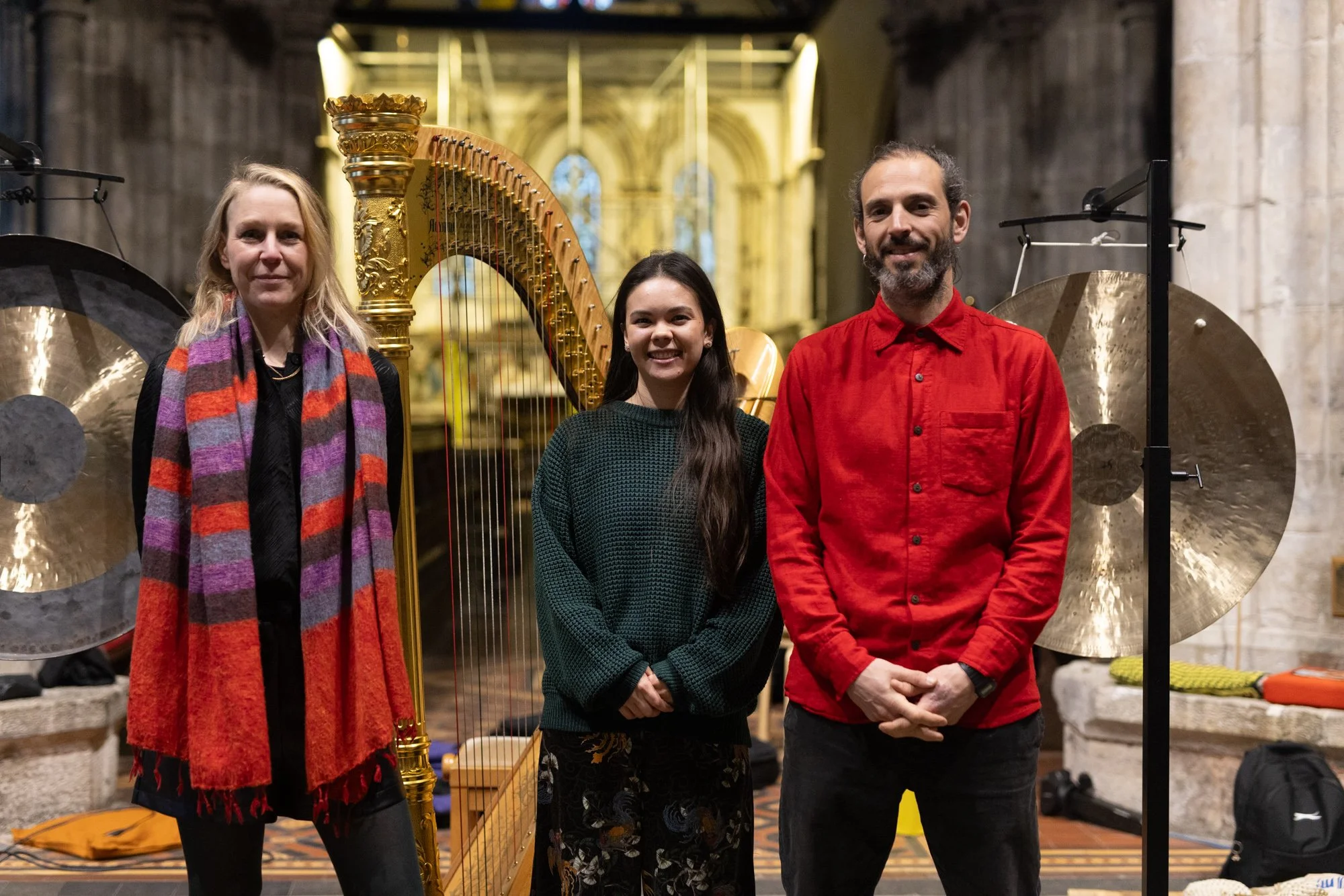
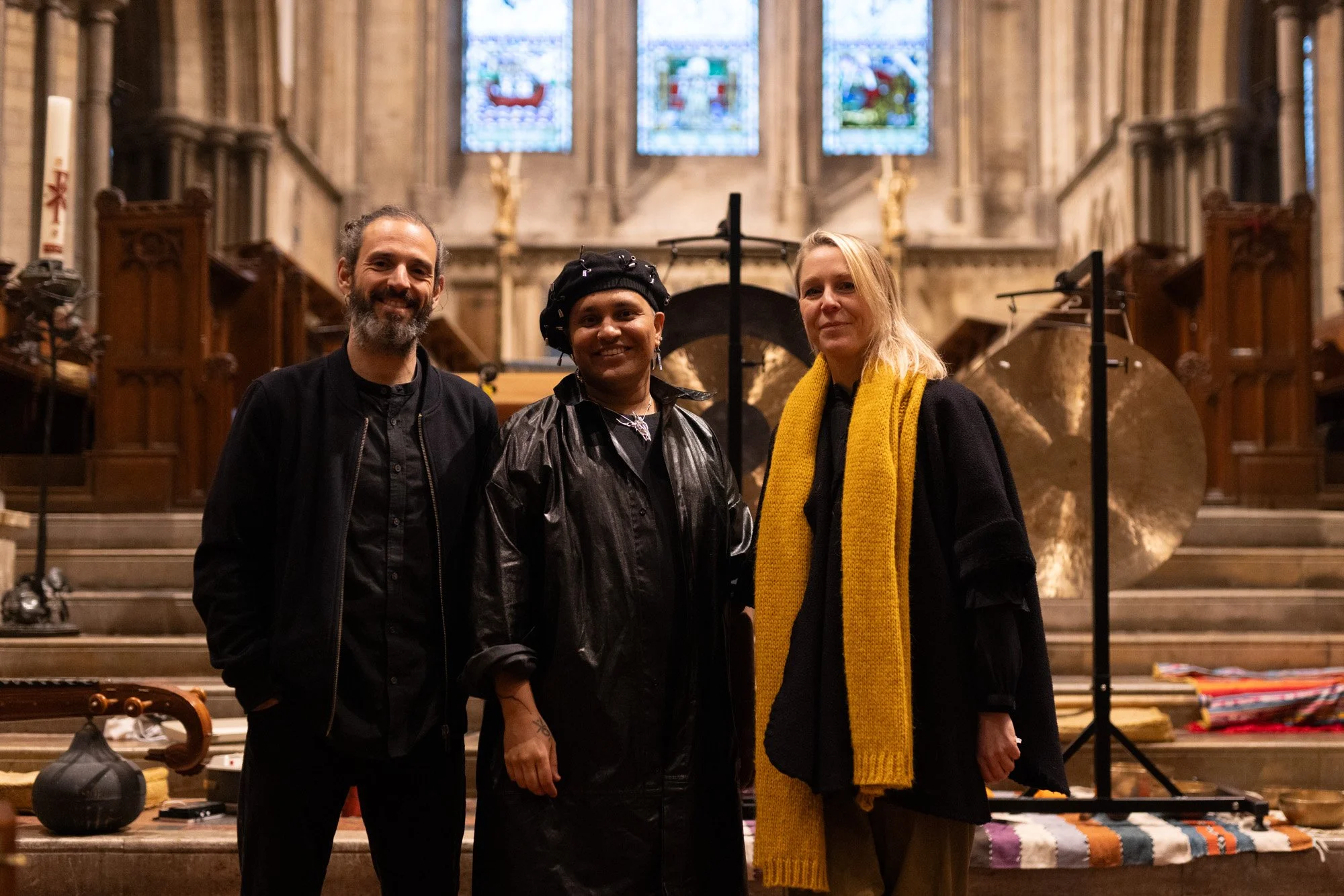
Created by Sound Emergence lead artists André Braga-Verissimo and Sasha Maye Bruce, and produced by Didier Rochard, the project invited audiences to experience ancient buildings and coastal landscapes in a new way - through contemplative live sound, creative participation and the stories held within each place.

A pilgrimage through sound and place
Church + Coast grew from André and Sasha’s popular soundbath events at the Parish Church of St Mary and St Eanswythe in Folkestone. Inspired by the church’s association with the Anglo-Saxon princess and patron saint Eanswythe, the project transformed a single-location practice into a journey through interconnected places.
The route began on the cliffs at Folkestone, followed part of the old Saxon shoreline and continued across the low-lying landscape of Romney Marsh before finishing in Winchelsea. It reflected historic routes of pilgrimage, trade and migration while revealing how dramatically the coastline has changed over time.
Events took place at:
St Mary and St Eanswythe, Folkestone
St Leonard, Hythe
St Mary, Kenardington
St Matthew, Warehorne
St Peter and St Paul, Newchurch
St George, Ivychurch
St Nicholas, New Romney
All Saints, Lydd
St Thomas, Winchelsea
Together, these churches offered a rich variety of architecture, acoustics, histories and atmospheres. Several stand in landscapes particularly vulnerable to flooding, coastal erosion, habitat loss and rising sea levels. By following an ancient shoreline through places that are now inland, Church + Coast encouraged audiences to consider the changing relationship between communities, heritage and the natural environment.
The experience
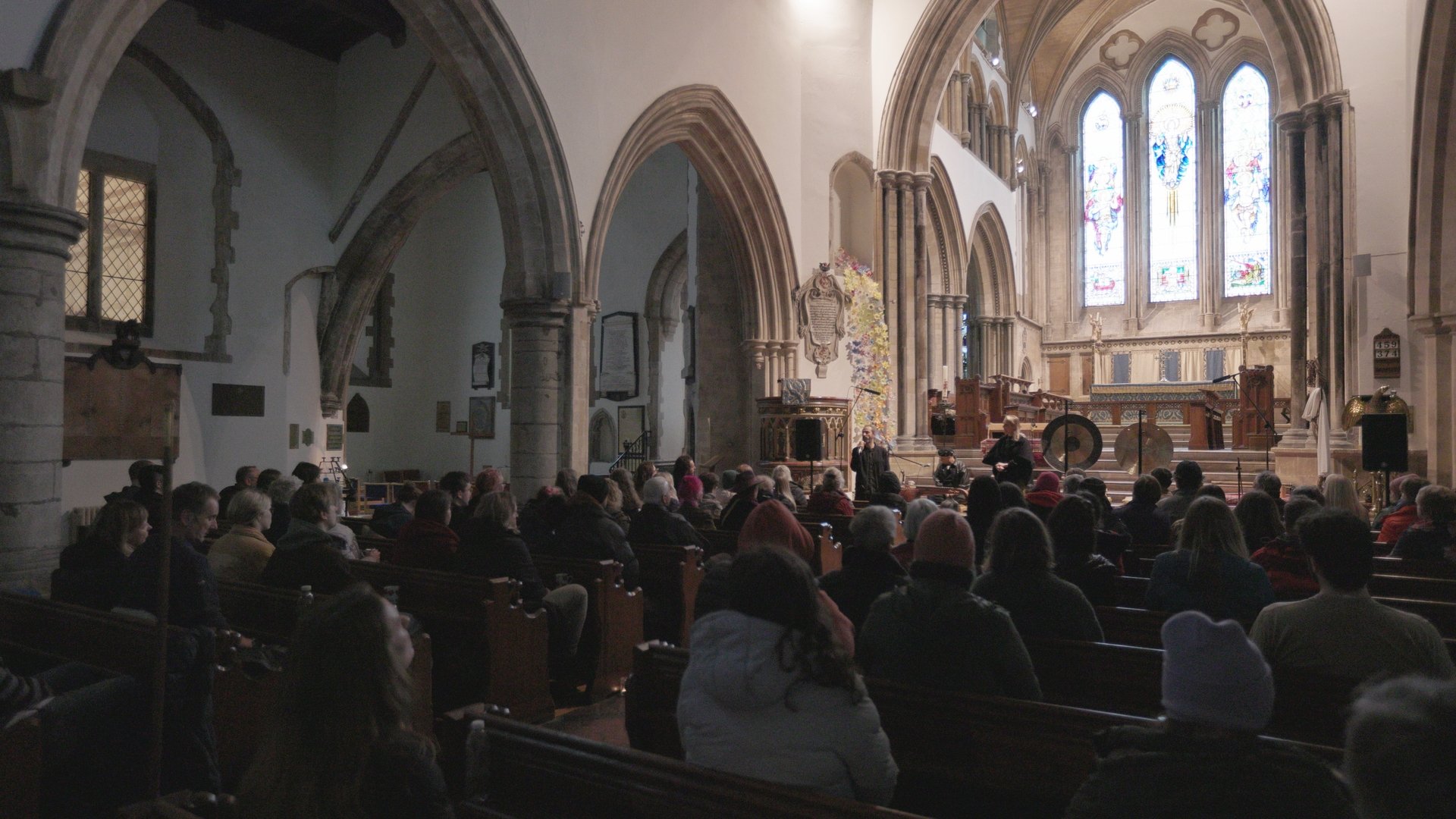
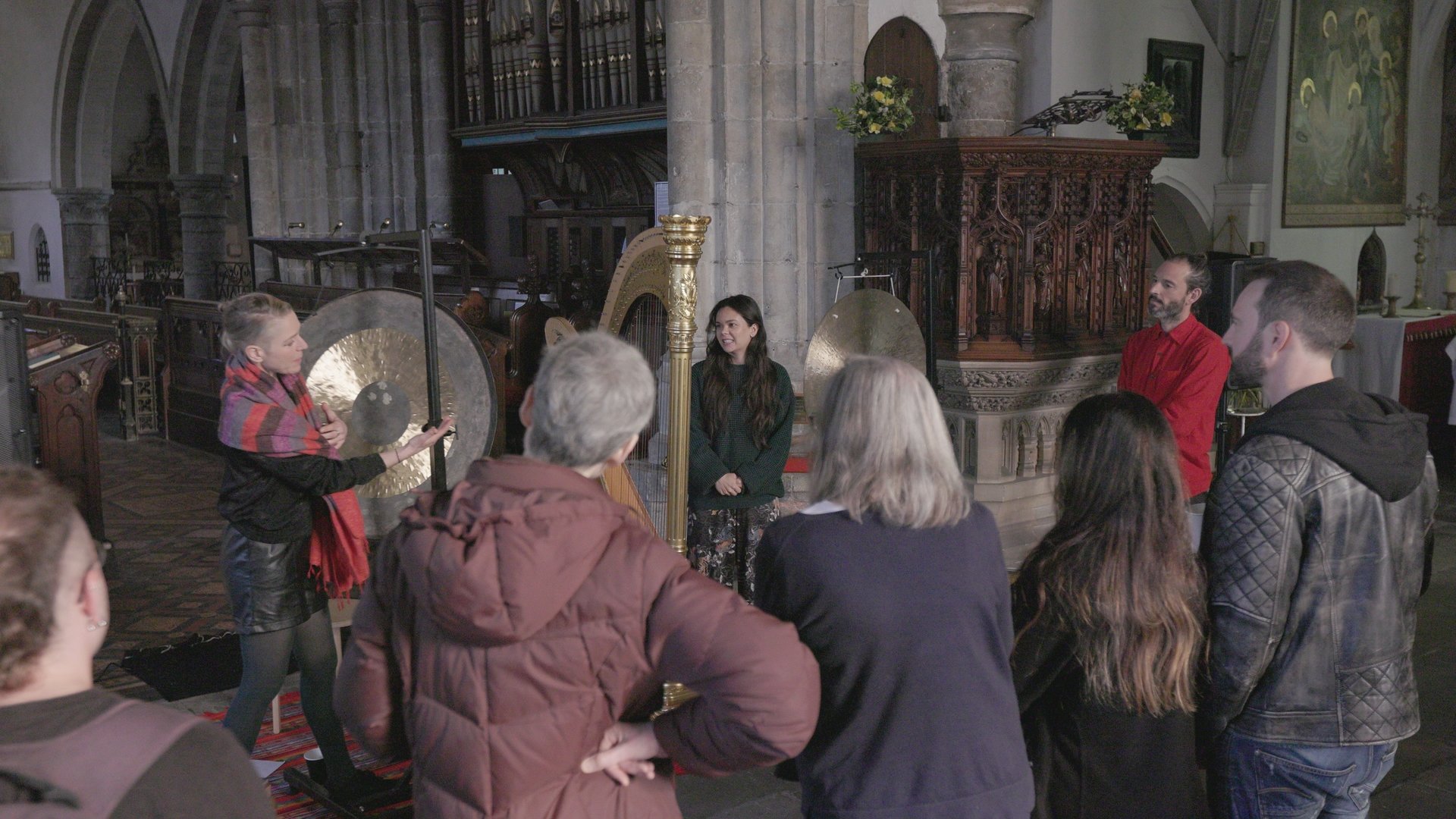
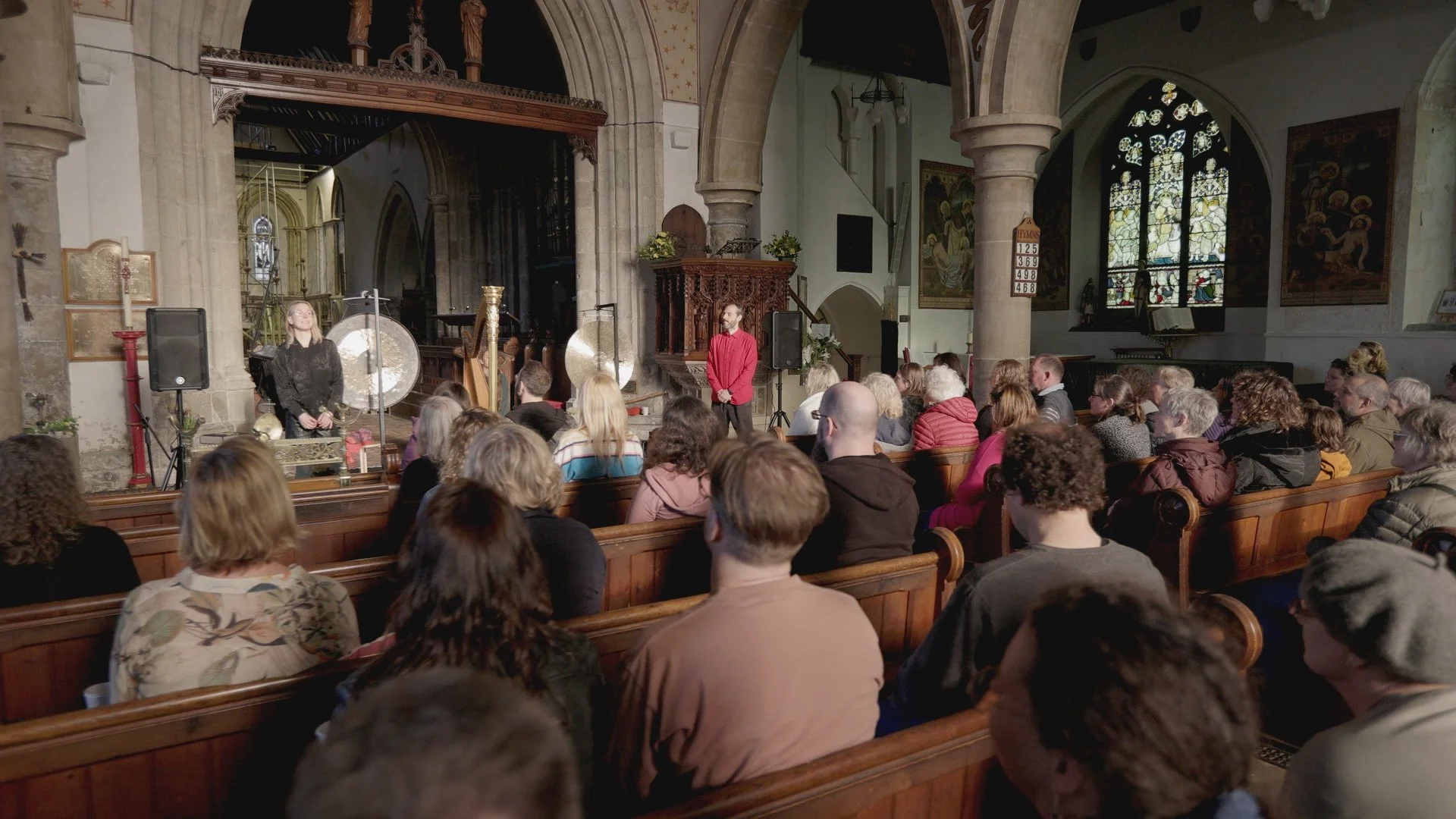
Each event combined three connected elements: a short heritage tour, an informal artist workshop and a 45–60-minute immersive soundbath performance.
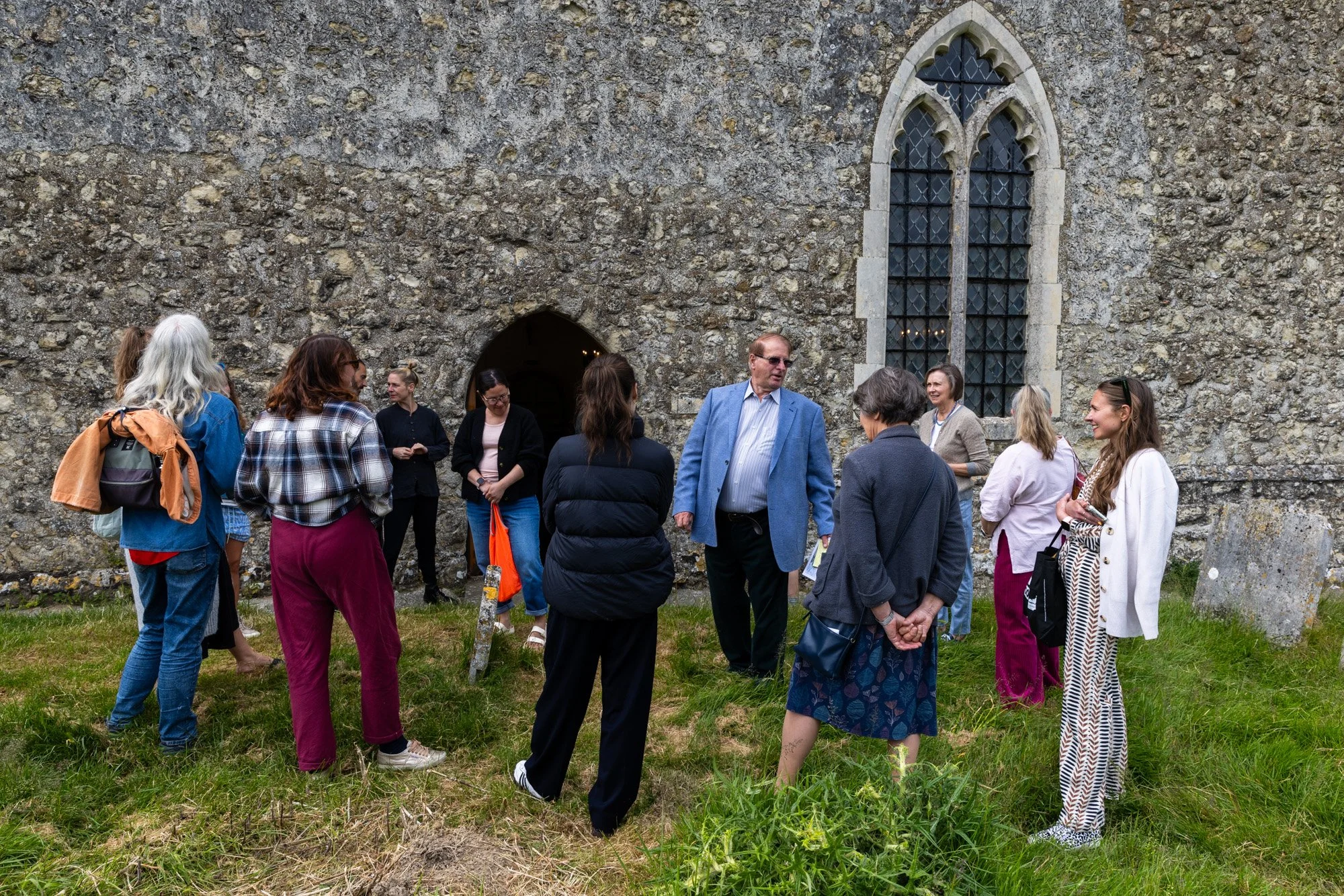
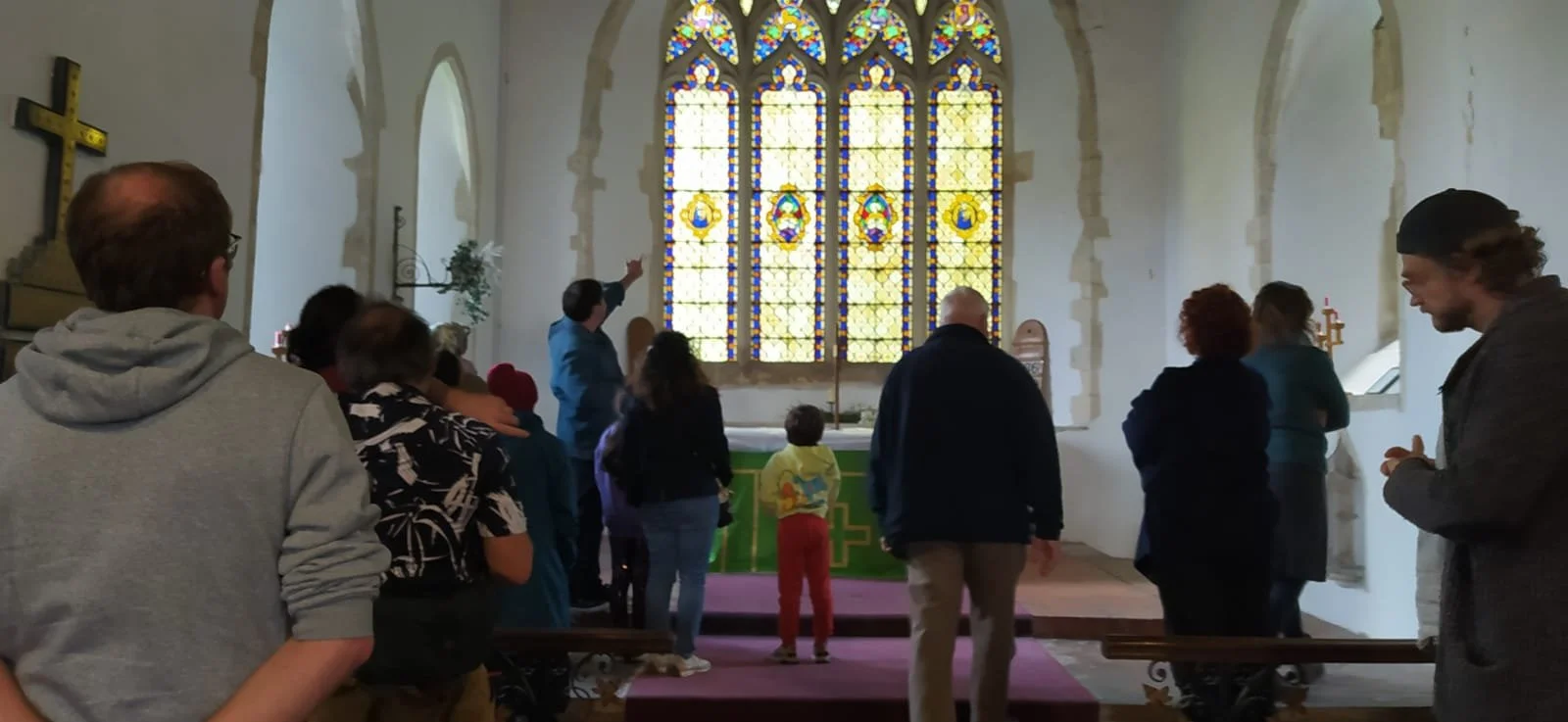
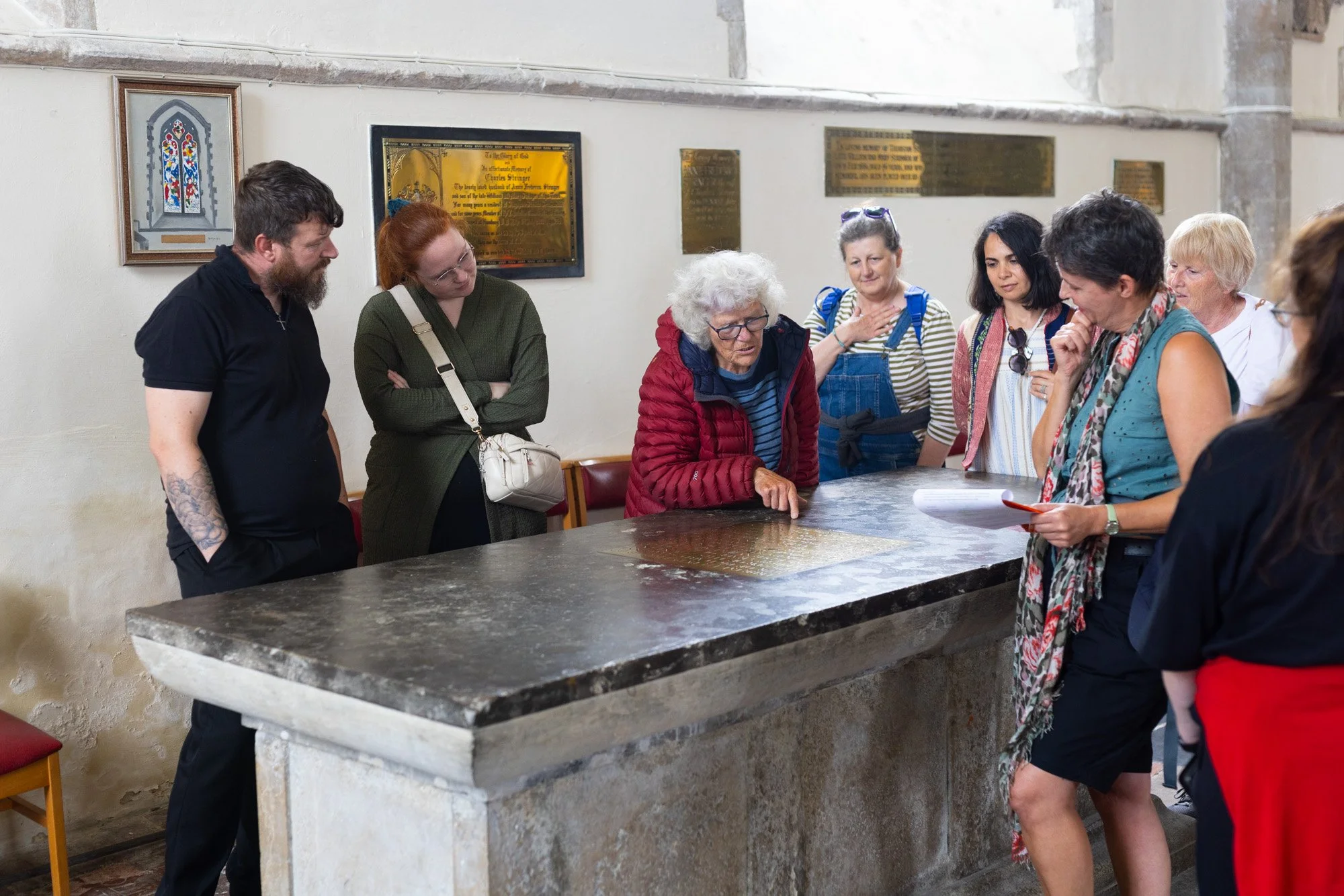
Tours led by local historians, church representatives and heritage specialists introduced participants to the architecture, folklore, objects and stories of each building. They highlighted the generations of people who had gathered in these spaces, as well as the environmental and financial pressures facing historic rural churches today.
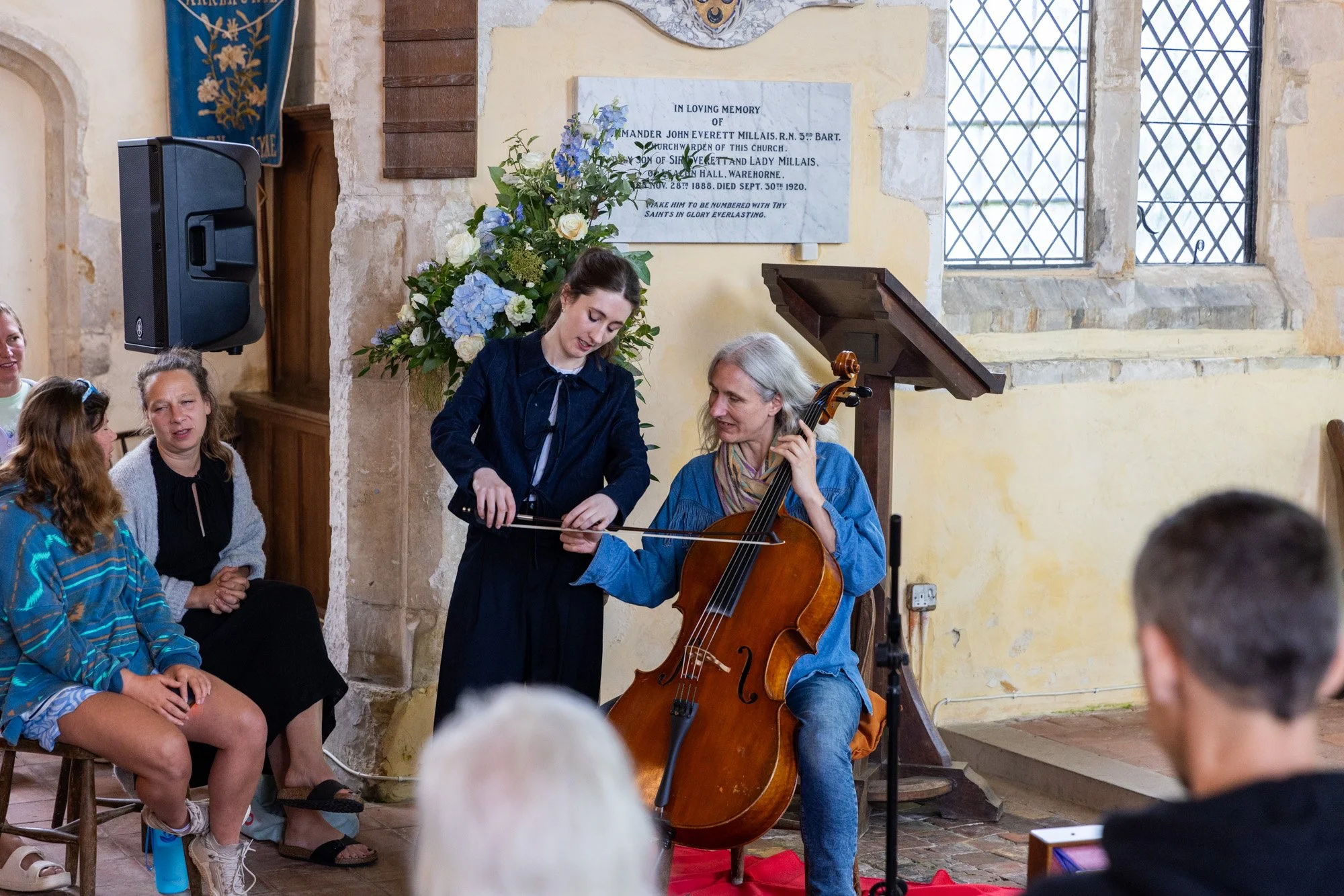
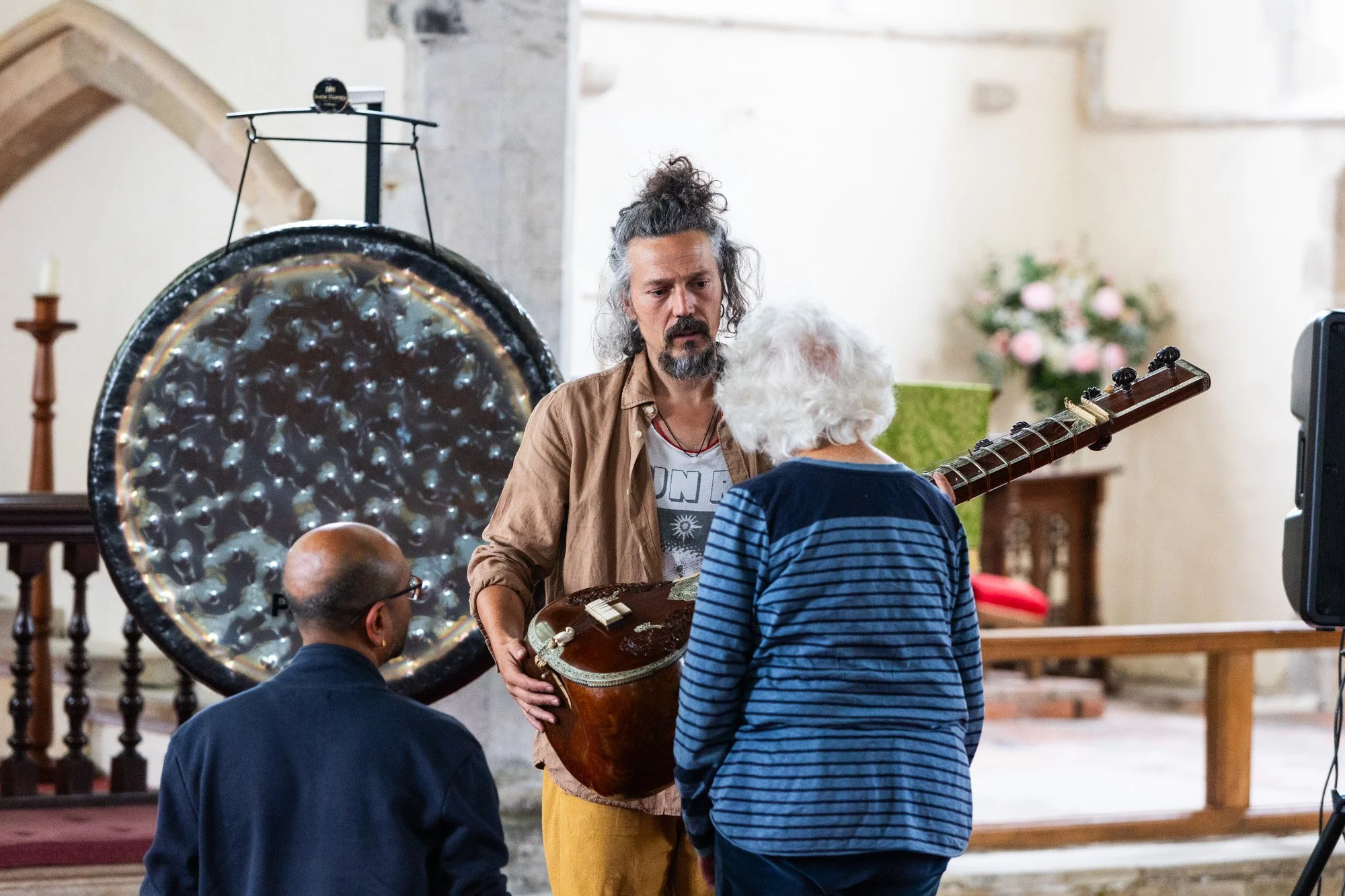
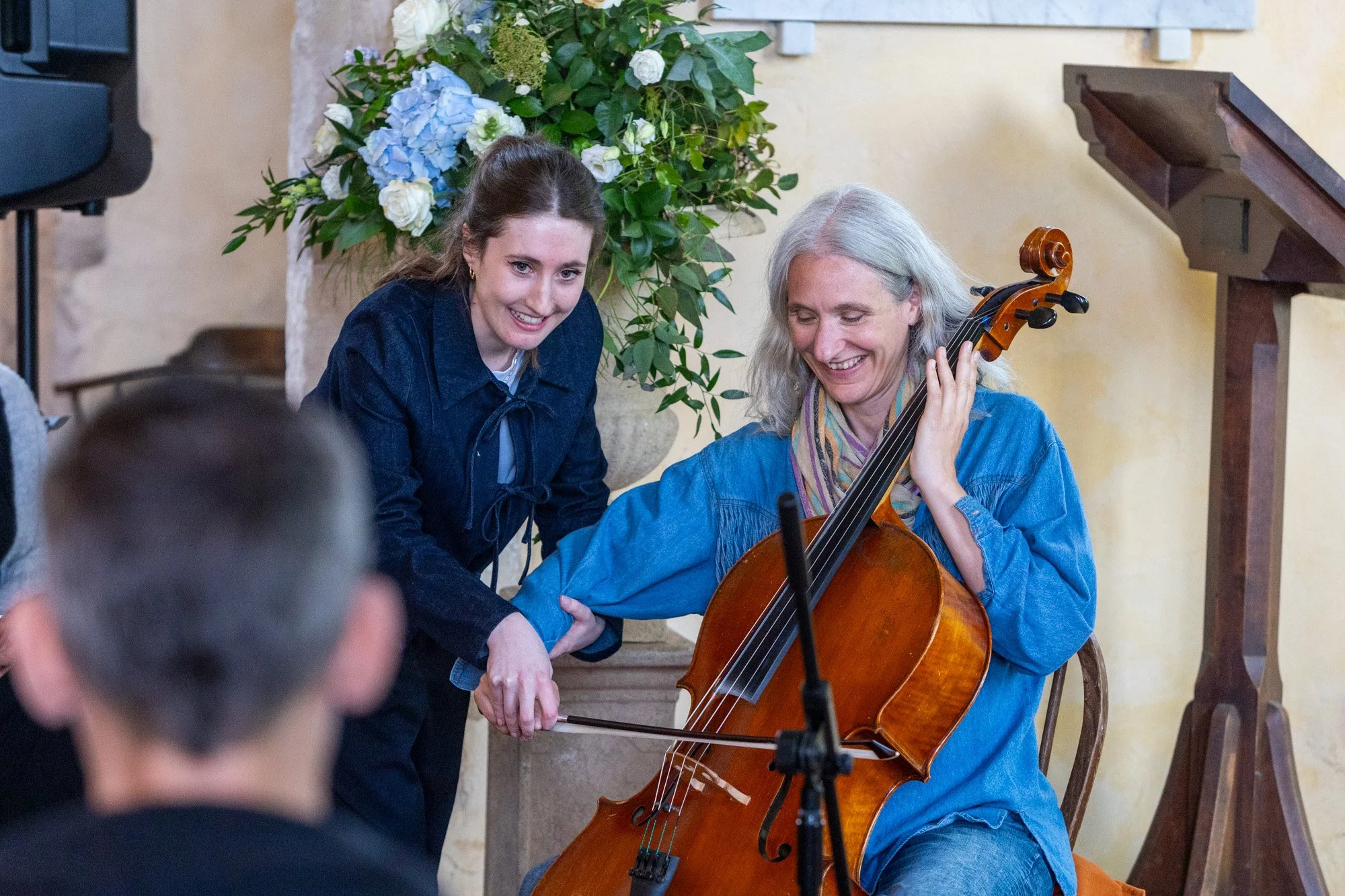
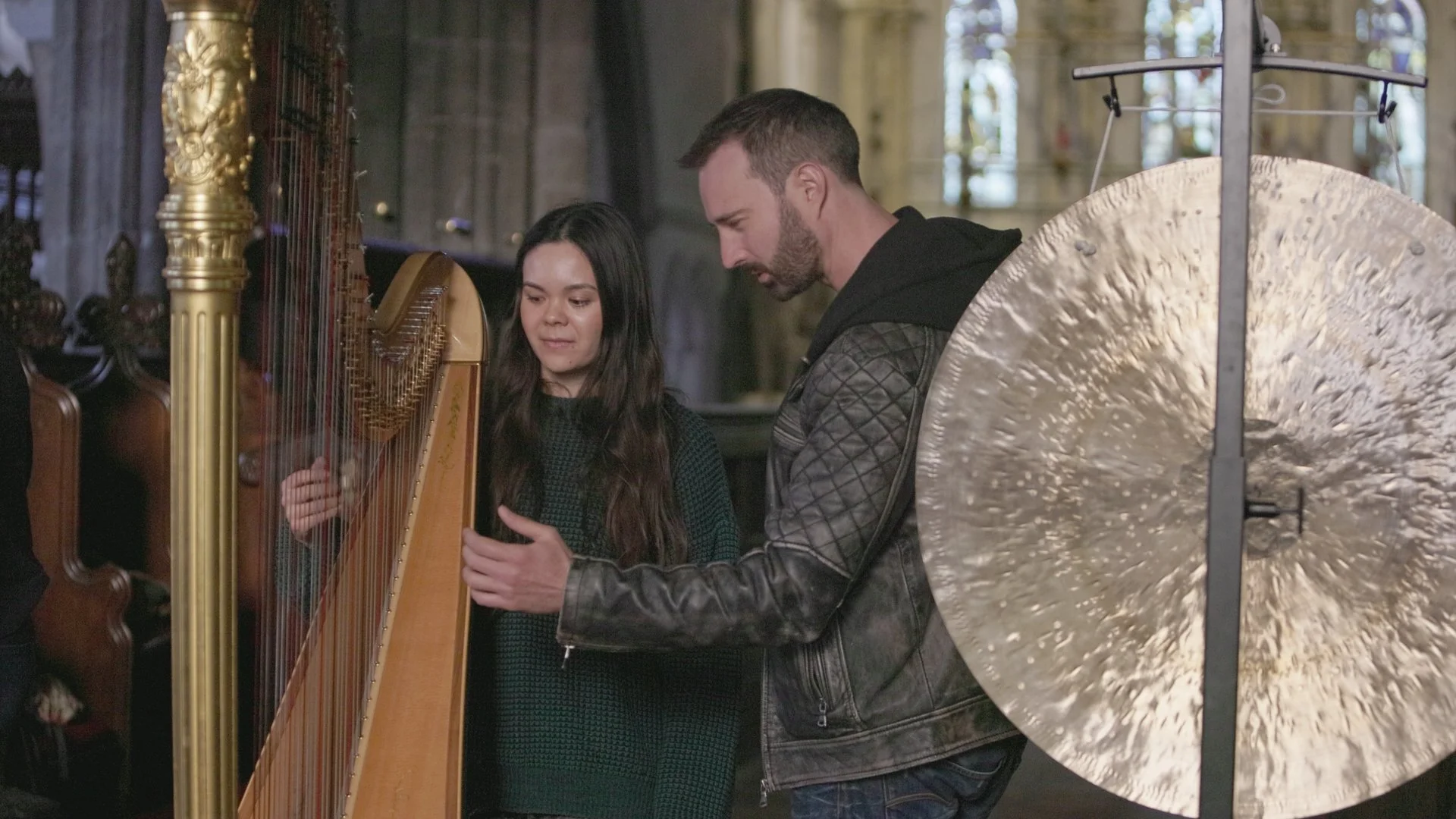
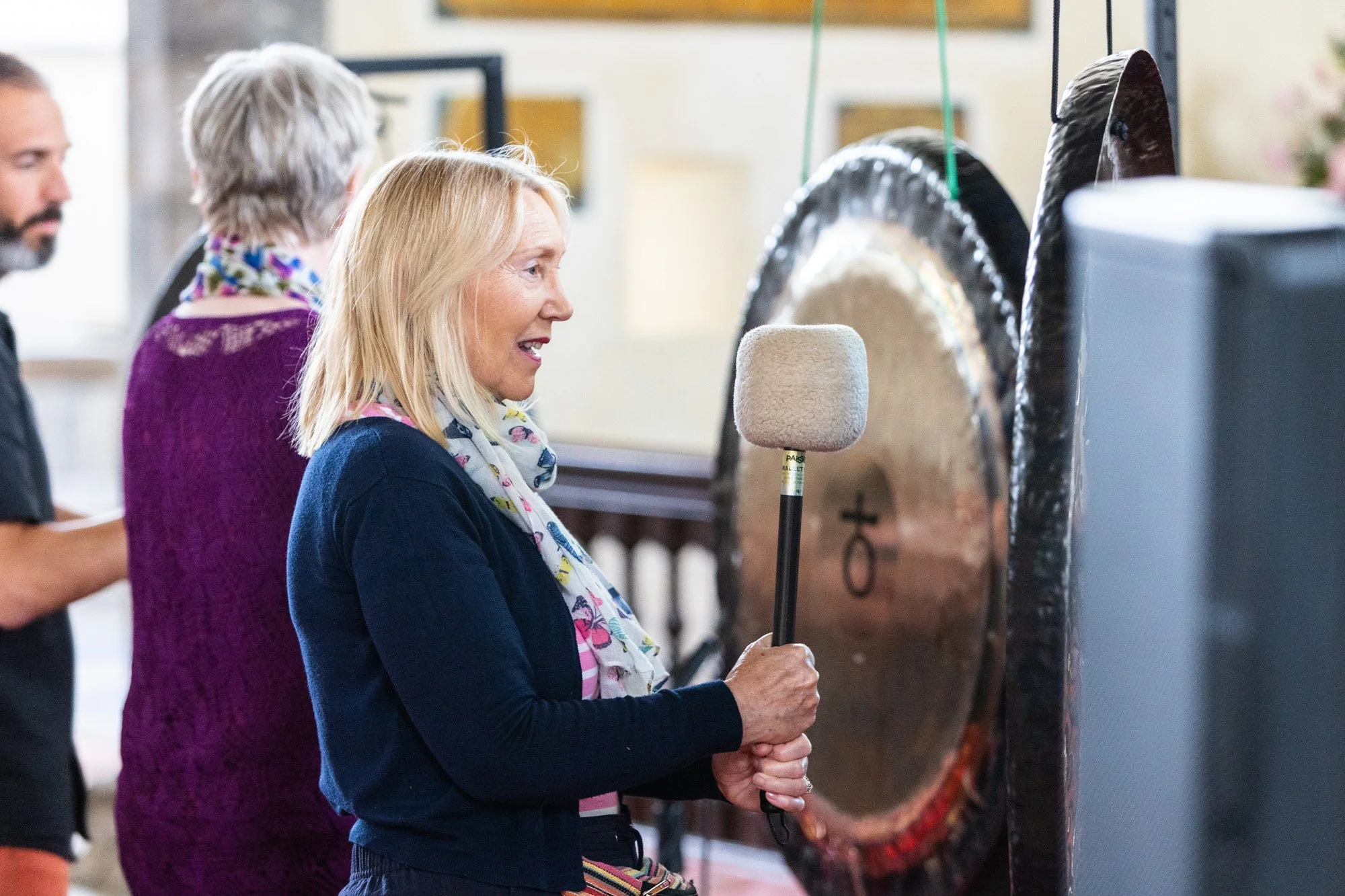
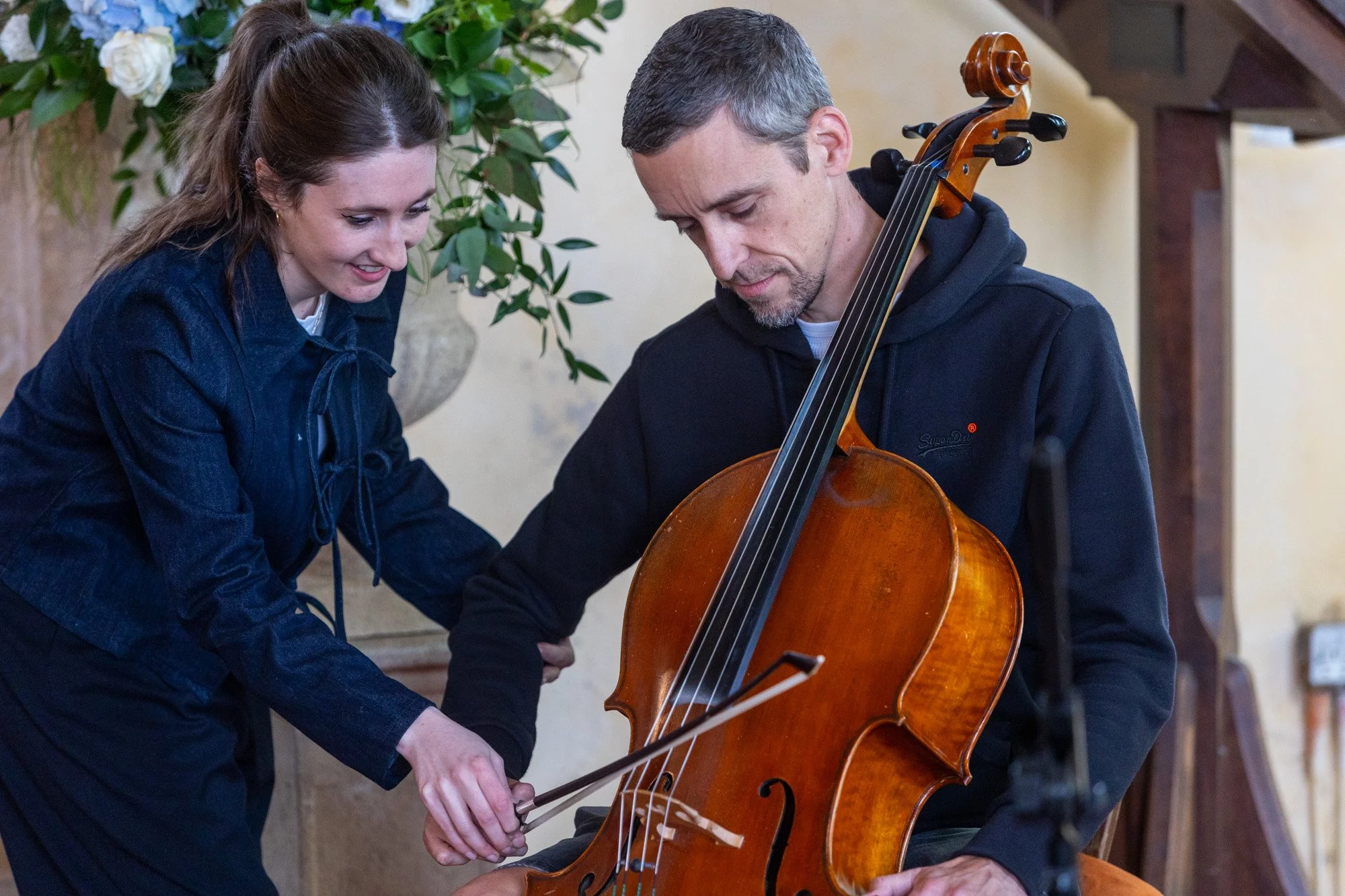
The workshops enabled audiences to meet the artists, examine unusual instruments and learn how the soundscapes were made. Participants could ask questions, experiment with sound and explore the relationship between listening, creativity and wellbeing.
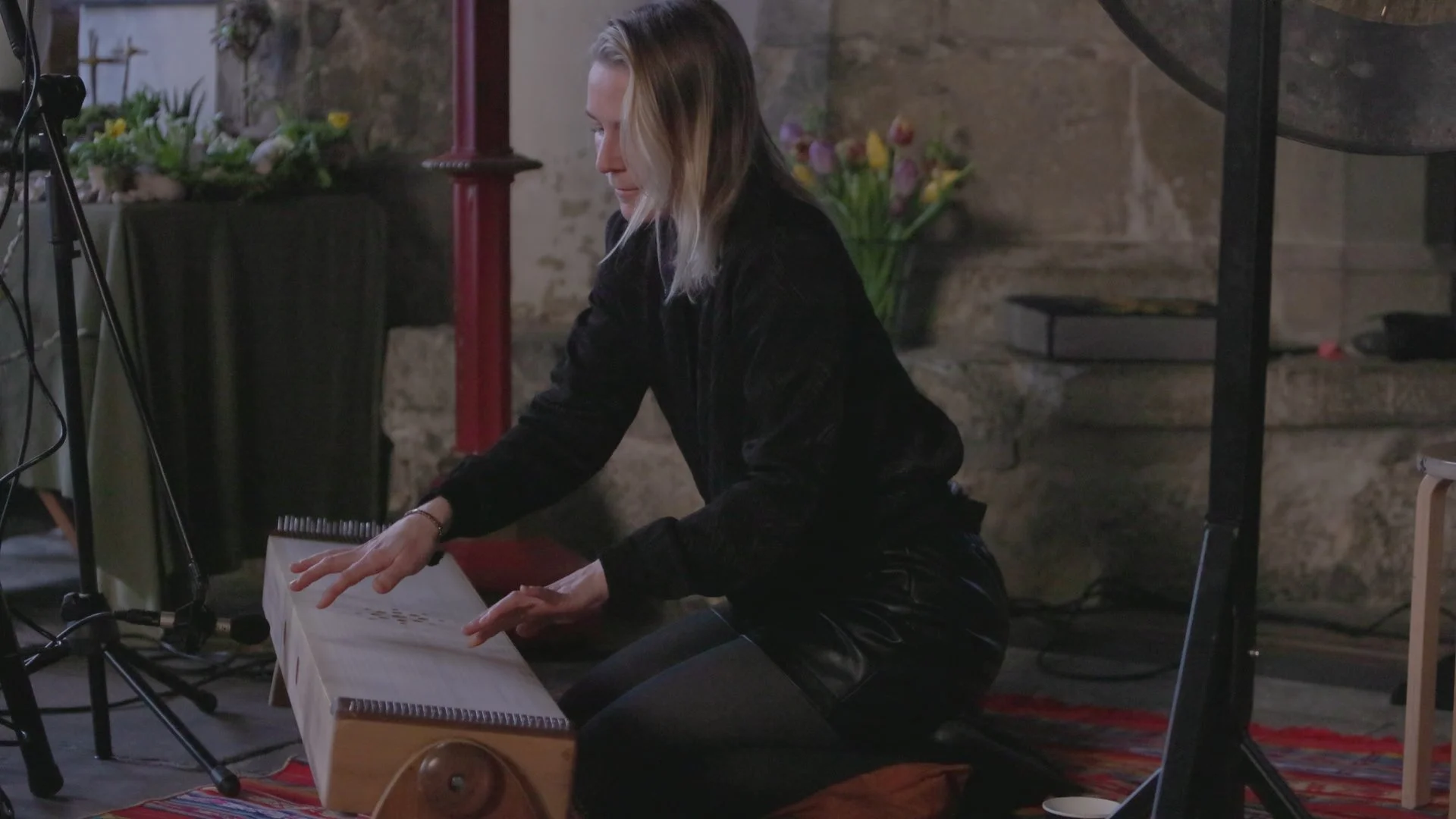
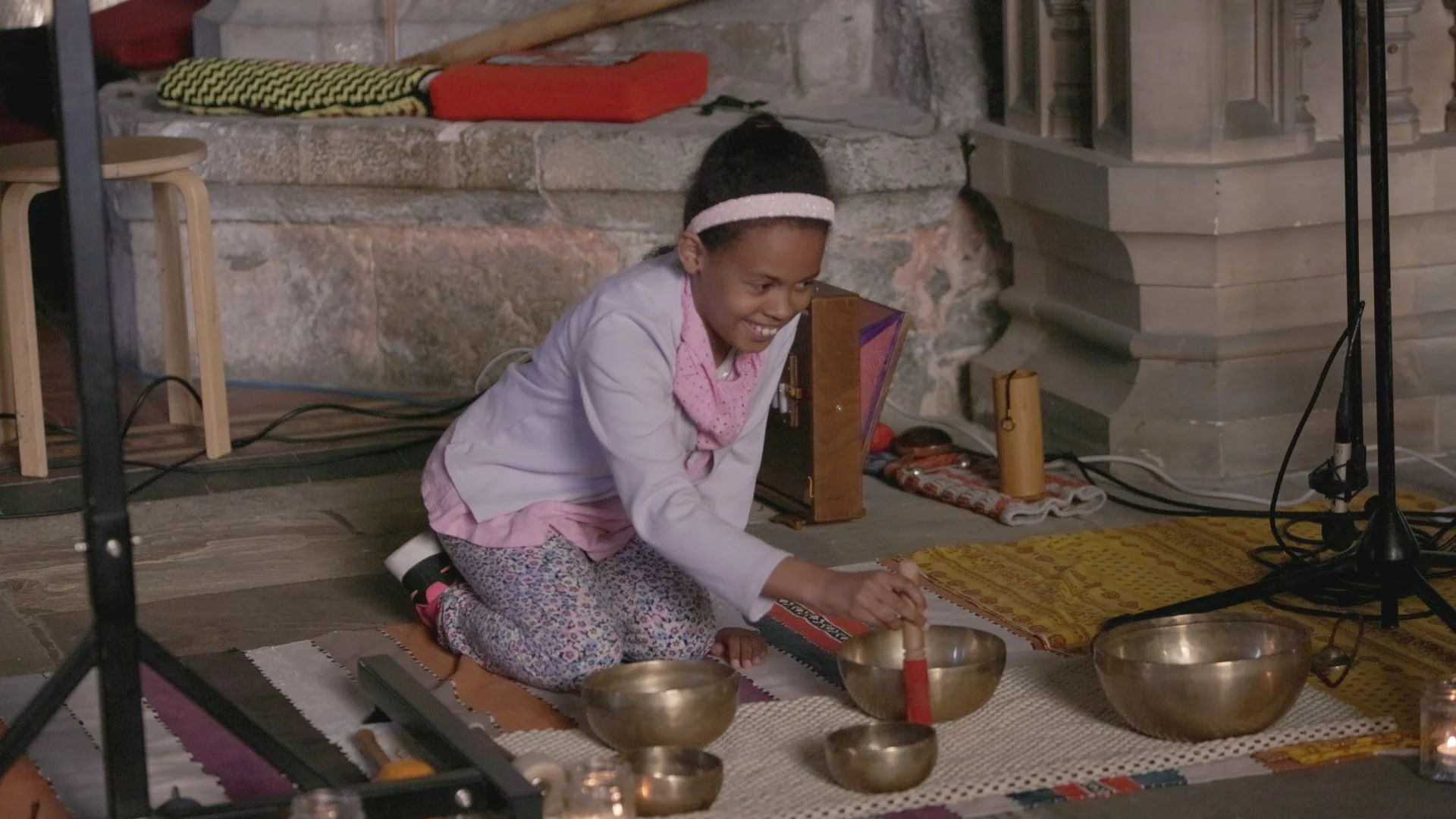
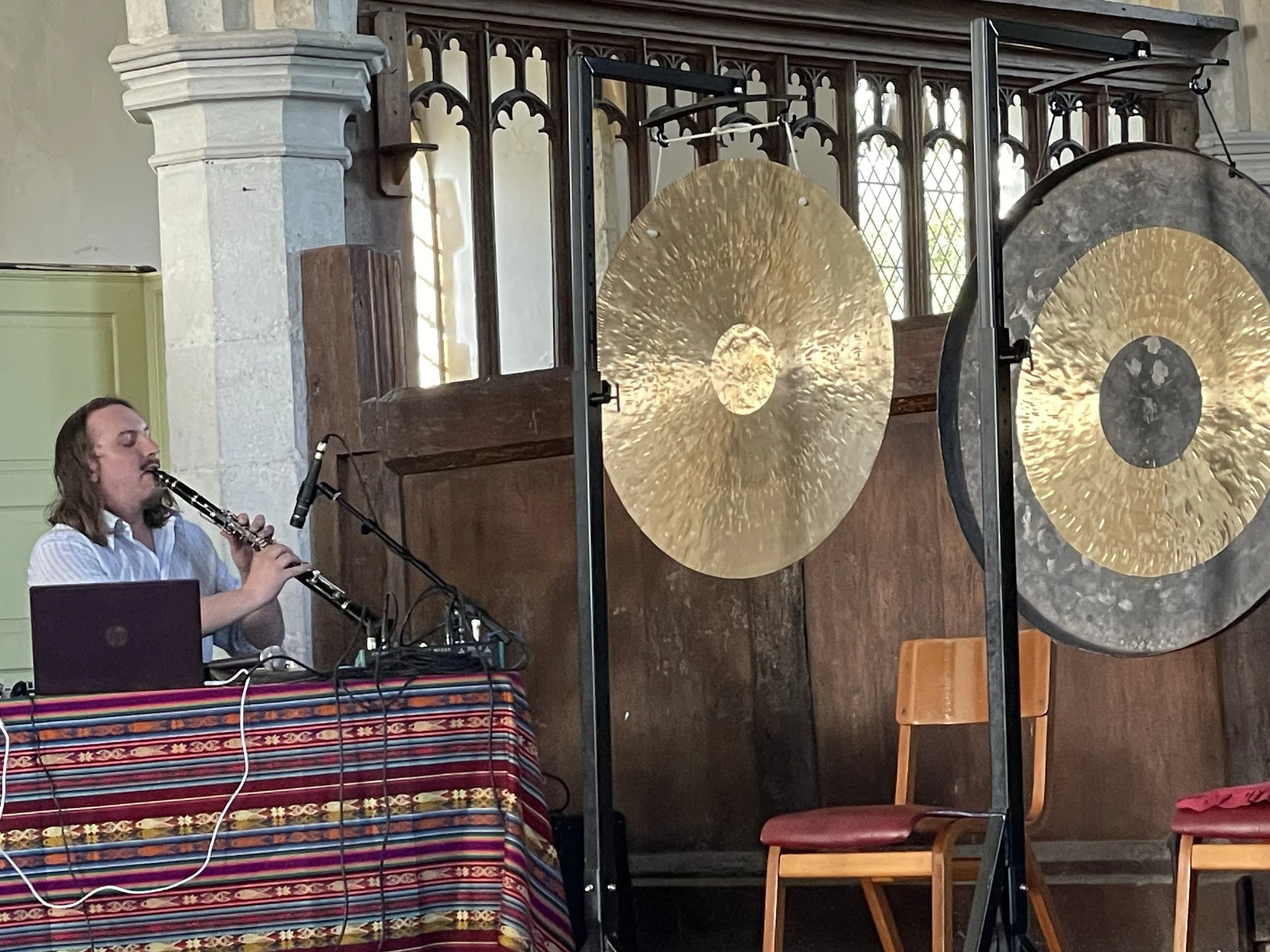
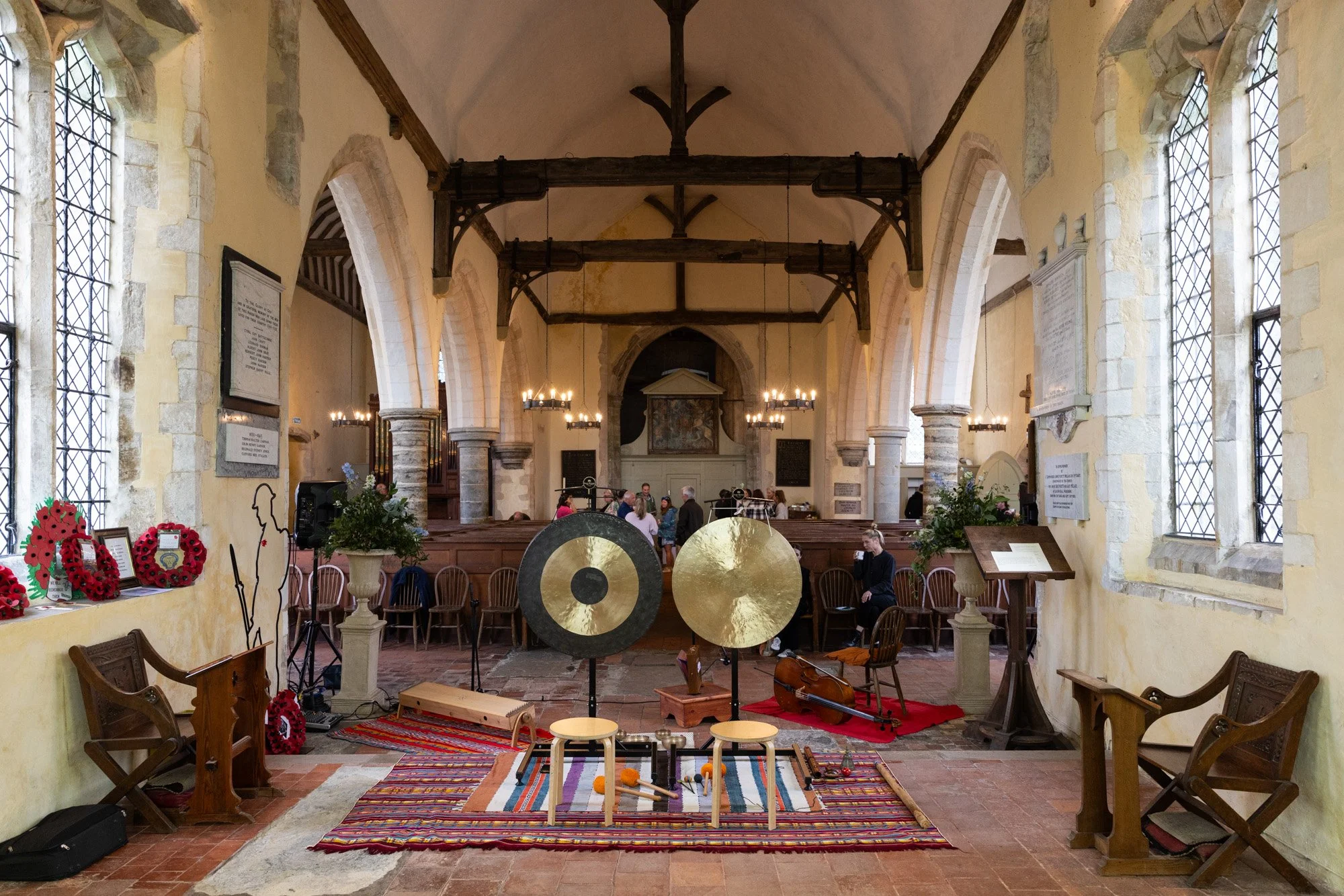
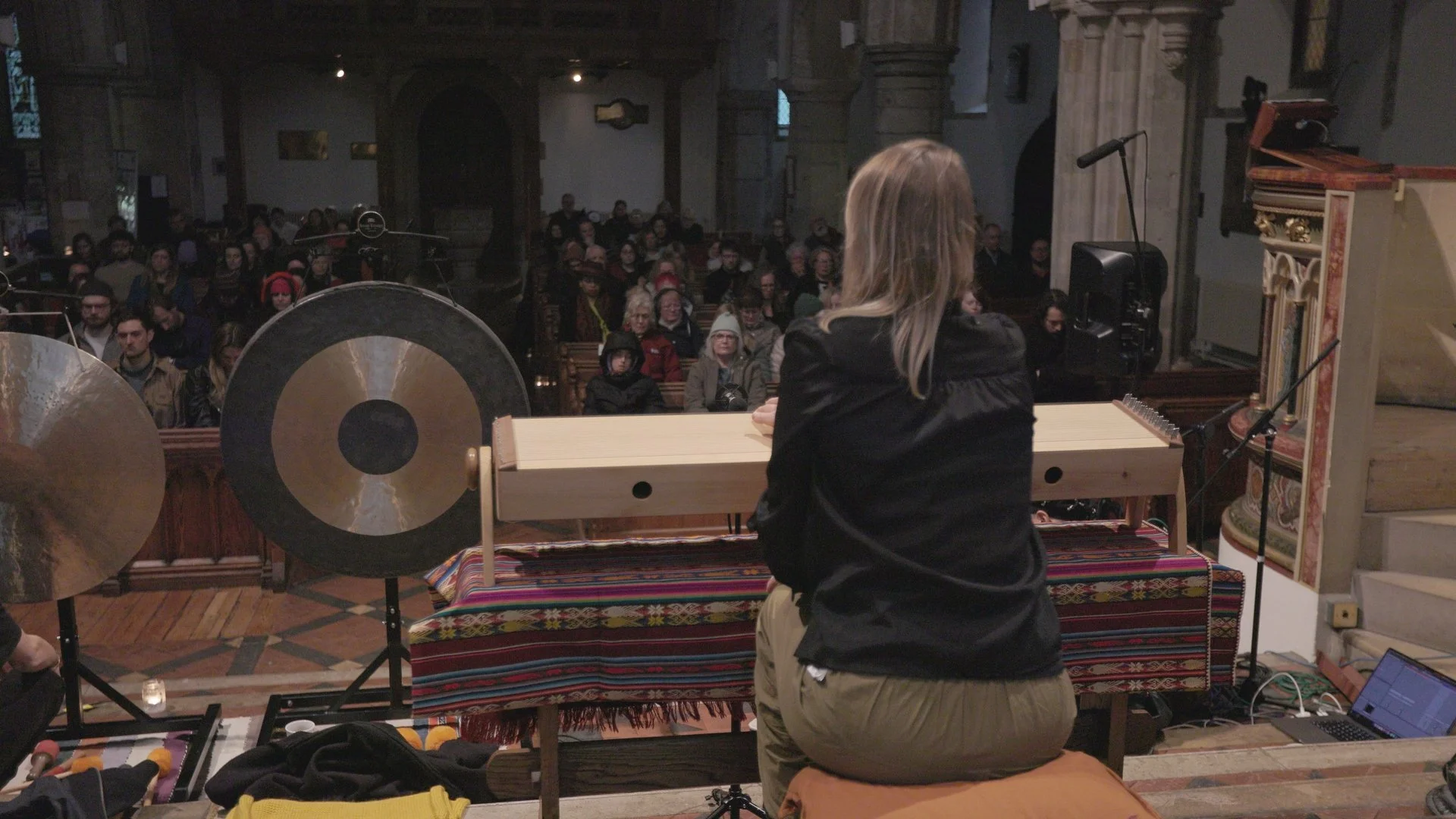
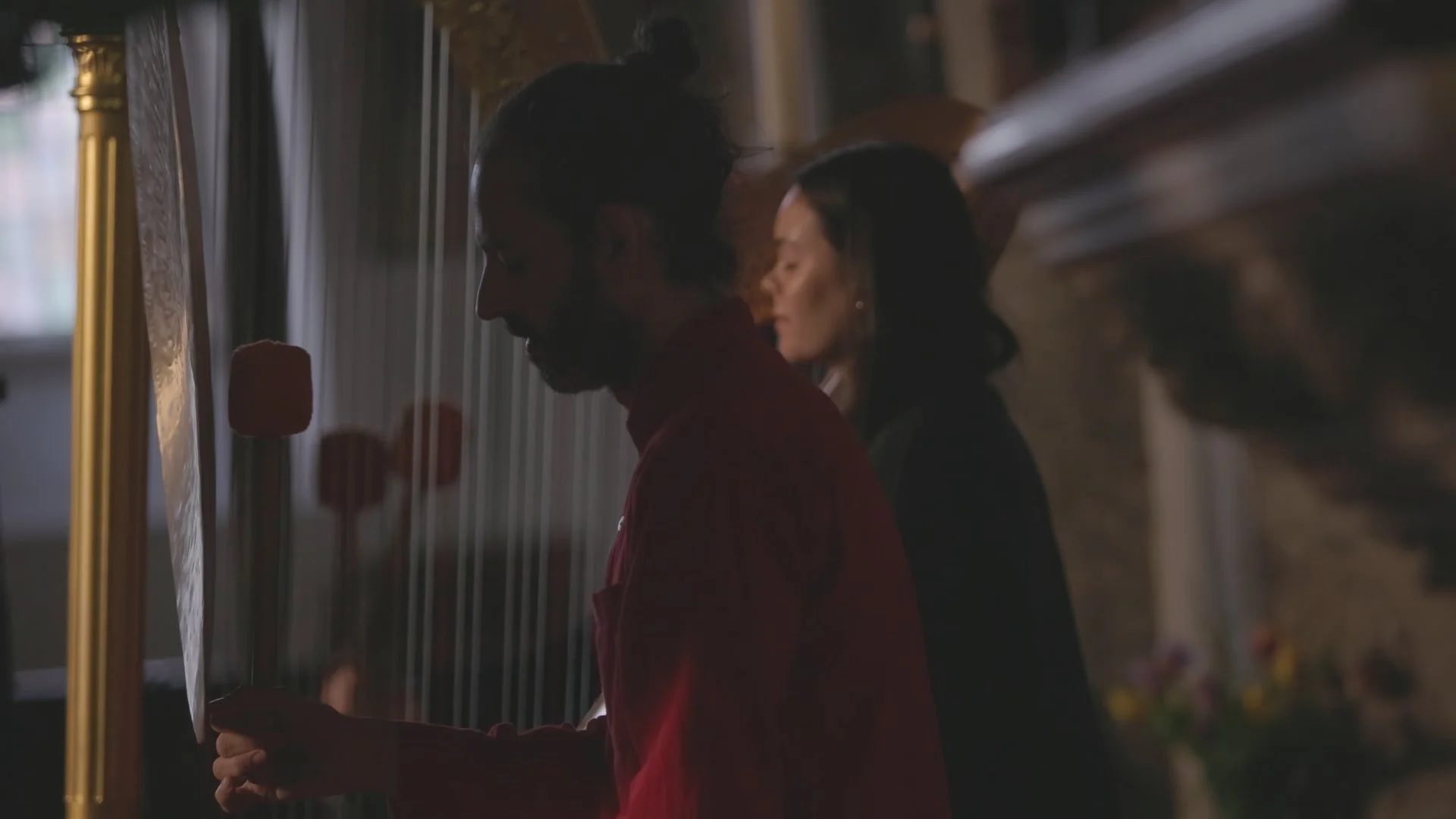
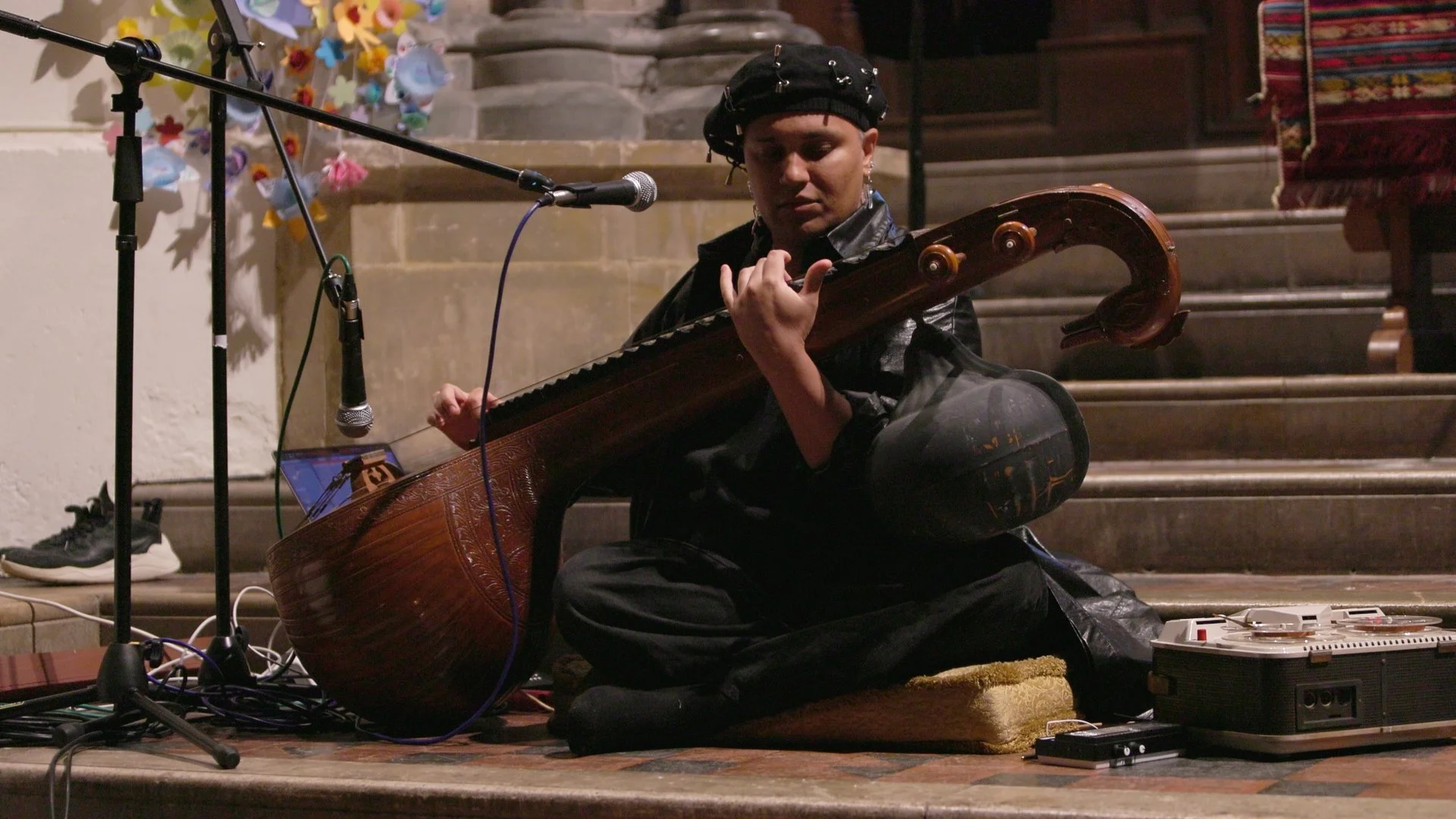
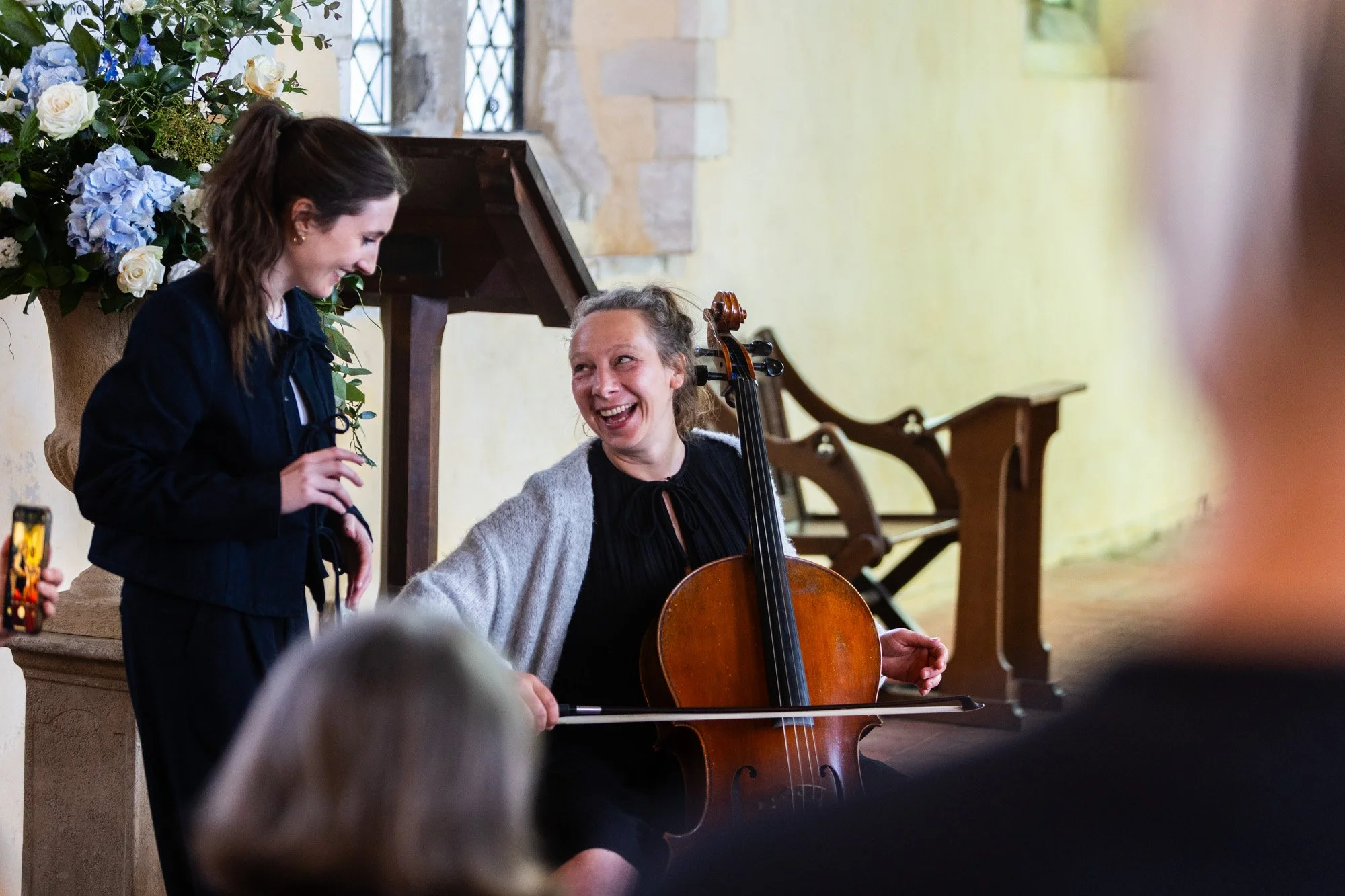
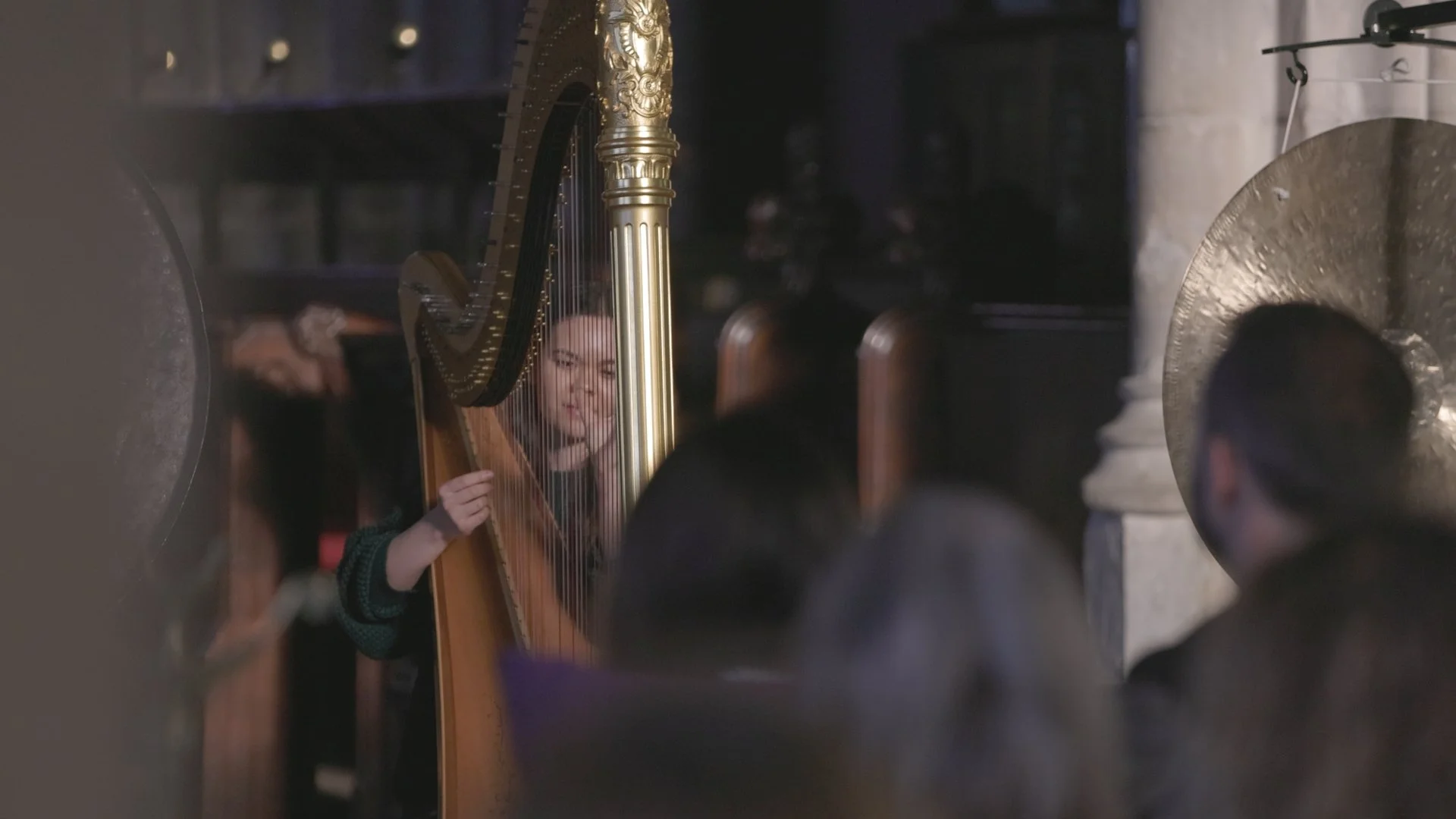
The soundbaths themselves were improvised live performances using instruments including gongs, singing bowls, voice, percussion, harp, cello, piano, monochord, found sound and electronic synthesis. André and Sasha were joined by a different guest artist at each location, bringing together ancient, acoustic and contemporary electronic sound worlds.
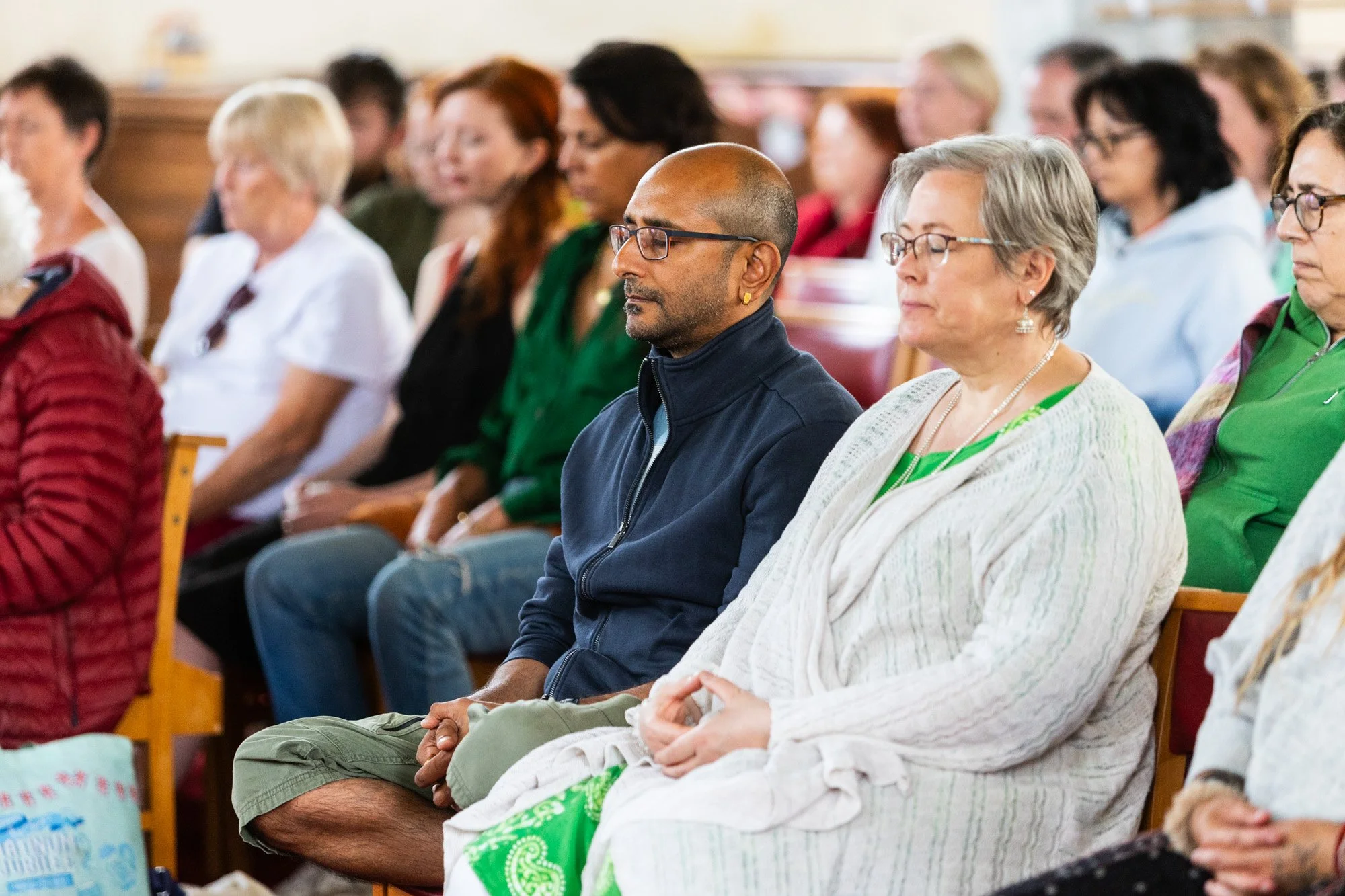
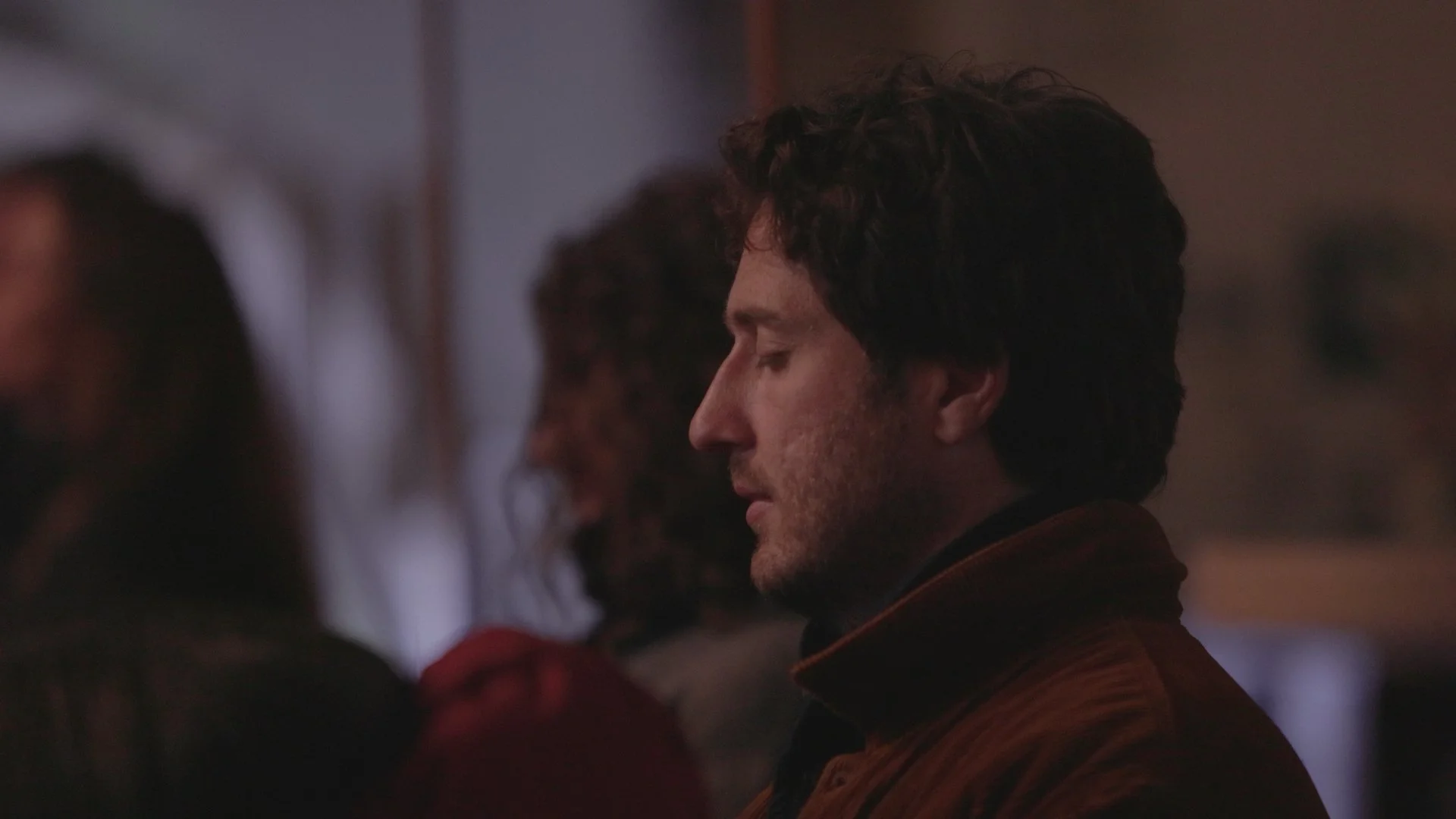
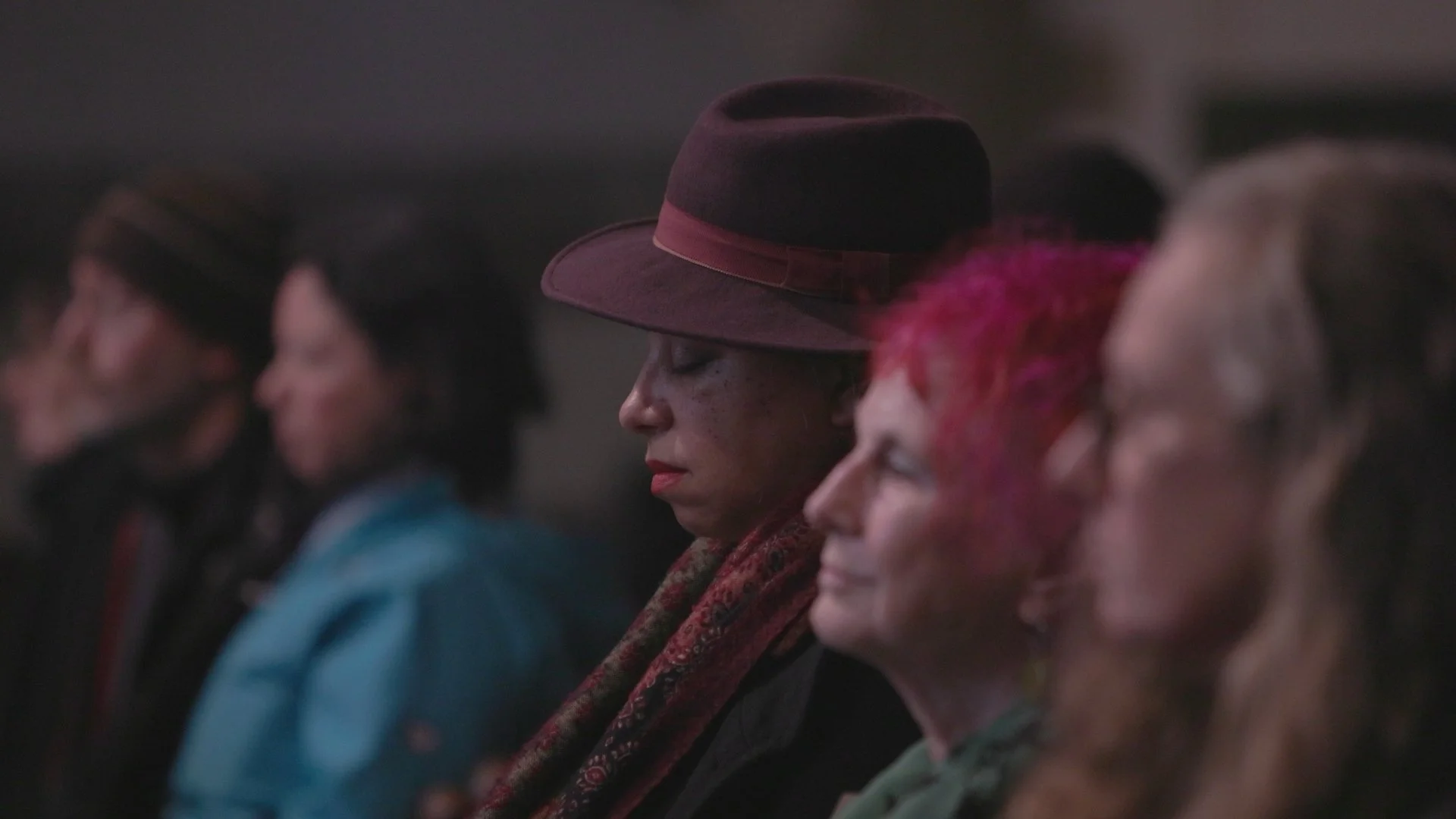
Audiences were invited to become comfortable, close their eyes and listen. Rather than presenting a conventional concert, each performance created space for meditation, imagination, inner exploration and collective stillness. People of all faiths and none were welcomed.
Access and community
Church + Coast was designed to remove some of the financial and geographical barriers that can prevent people from engaging with arts and wellbeing activity. Tickets were offered on a Pay What You Can basis, with free places available for people on low incomes, while the tours and workshops were included without additional charge.
The project worked with individual church communities, local volunteers and the Romney Marsh Historic Churches Trust, which provided match funding alongside Arts Council England and helped deliver heritage interpretation and connect the project with communities across the Marsh.
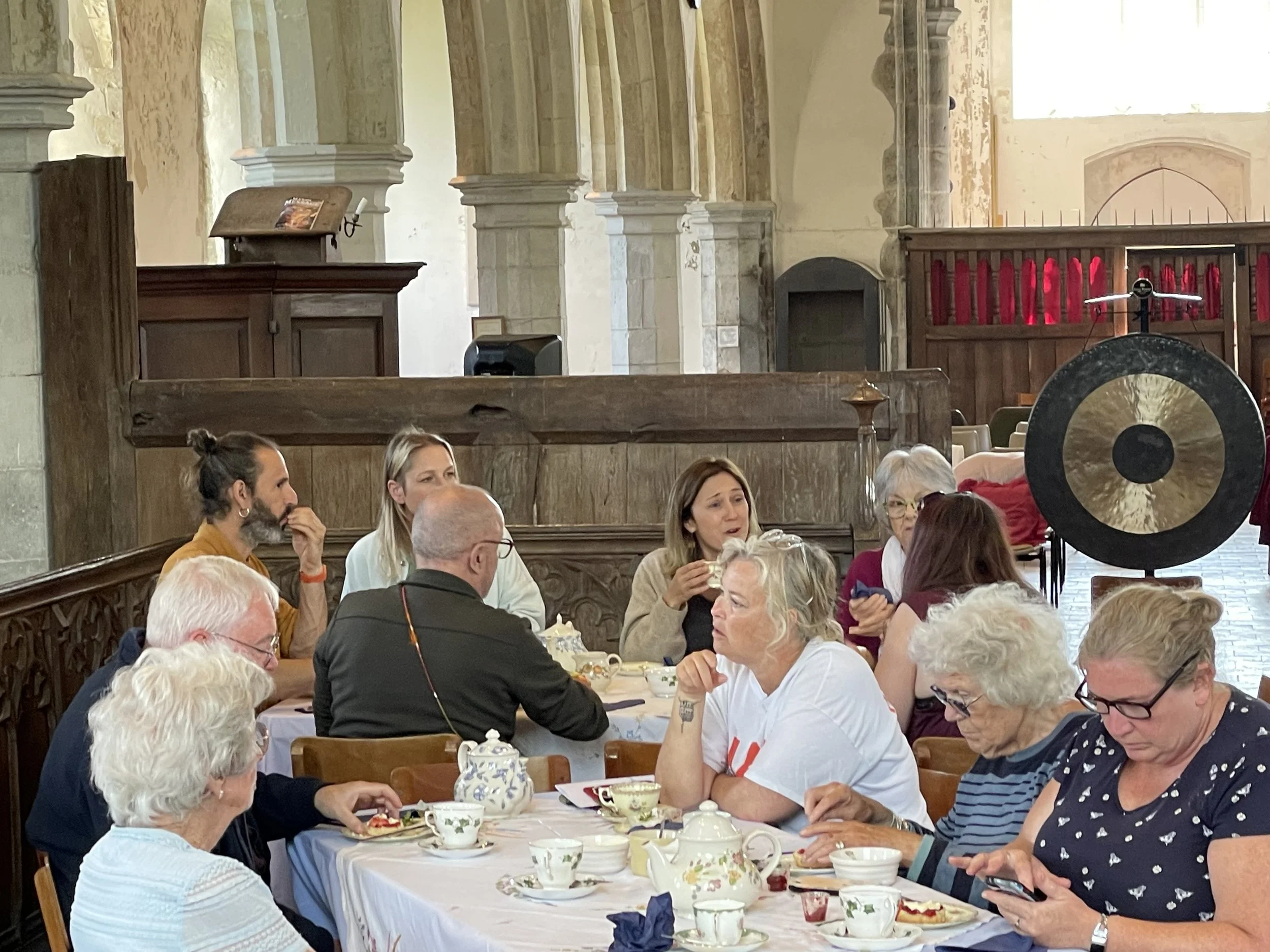
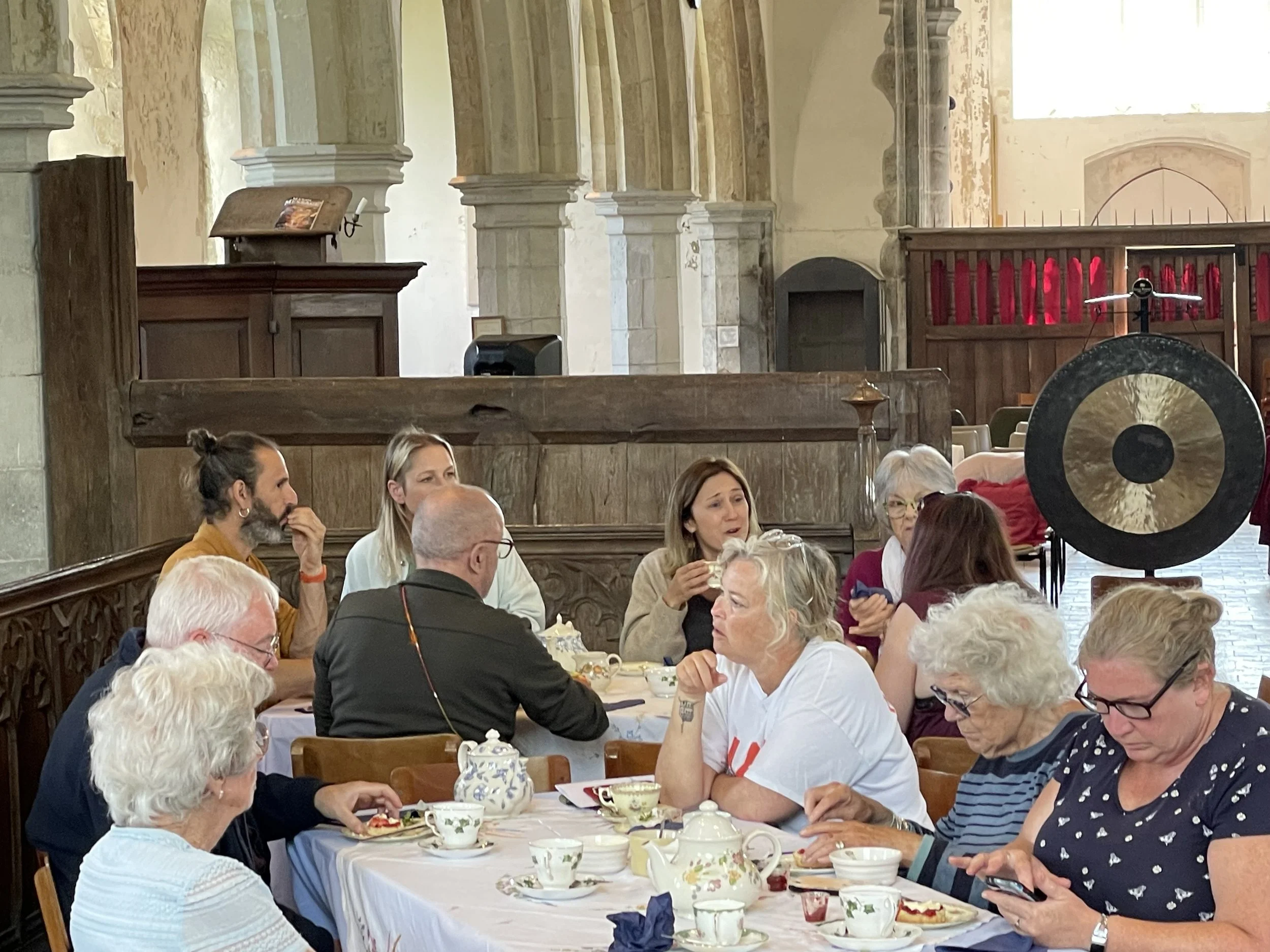
Bringing high-quality artist-led events into rural churches enabled people to participate close to home while attracting new visitors to buildings they might not otherwise have entered. Time for refreshments and conversation also made each event a social gathering, helping people connect in communities where isolation can be a significant issue.
Impact
Church + Coast welcomed 495 attendees across nine churches. Feedback was gathered from 104 participants:
More than a third were experiencing a soundbath for the first time
98% said they would attend another event
The project reached children, young adults, working-age adults and older people
Sound Emergence’s Instagram following increased by 40% during the project
Participants described the events as restful, welcoming and transformative, highlighting both the wellbeing experience and the opportunity to discover the churches:
“Fantastic. Breathing new spiritual life into our ancient churches.”
“Wonderful. I came stiff in pain and left feeling peaceful and comfortable.”
“I had no idea what to expect but really enjoyed it. Beautiful, meditative and so interesting to witness your art.”
The project demonstrated that immersive contemporary art, wellbeing practice and heritage interpretation can complement one another—bringing new audiences into historic places while creating meaningful space for reflection and connection.
Legacy
Church + Coast established a distinctive model combining sound, wellbeing, heritage, landscape and contemporary pilgrimage. It strengthened relationships between artists, churches, heritage organisations, volunteers and communities across Folkestone, Hythe, Romney Marsh and Winchelsea.
Its success led André and Sasha to establish And Gather CIC as an umbrella for their expanding collaborative work, with producer Didier Rochard subsequently joining as a Director.
The themes and partnerships developed through Church + Coast were taken forward through This Place Meant, a larger Arts Council England-funded soundbath pilgrimage extending across Kent. That project builds on Church + Coast’s exploration of sacred sites, historic routes and changing landscapes while examining migration, identity, belonging and the different meanings that places hold for the people who encounter them. Three of the artists involved in the original project were invited to undertake longer residencies, while new artists were brought into our network via local open calls.