FolkeFest: Folkestone Contemporary Folk Festival 2022 (Pilot)
“The festival you created is something truly groundbreaking and unlike anything I’ve ever been to or been a part of.”
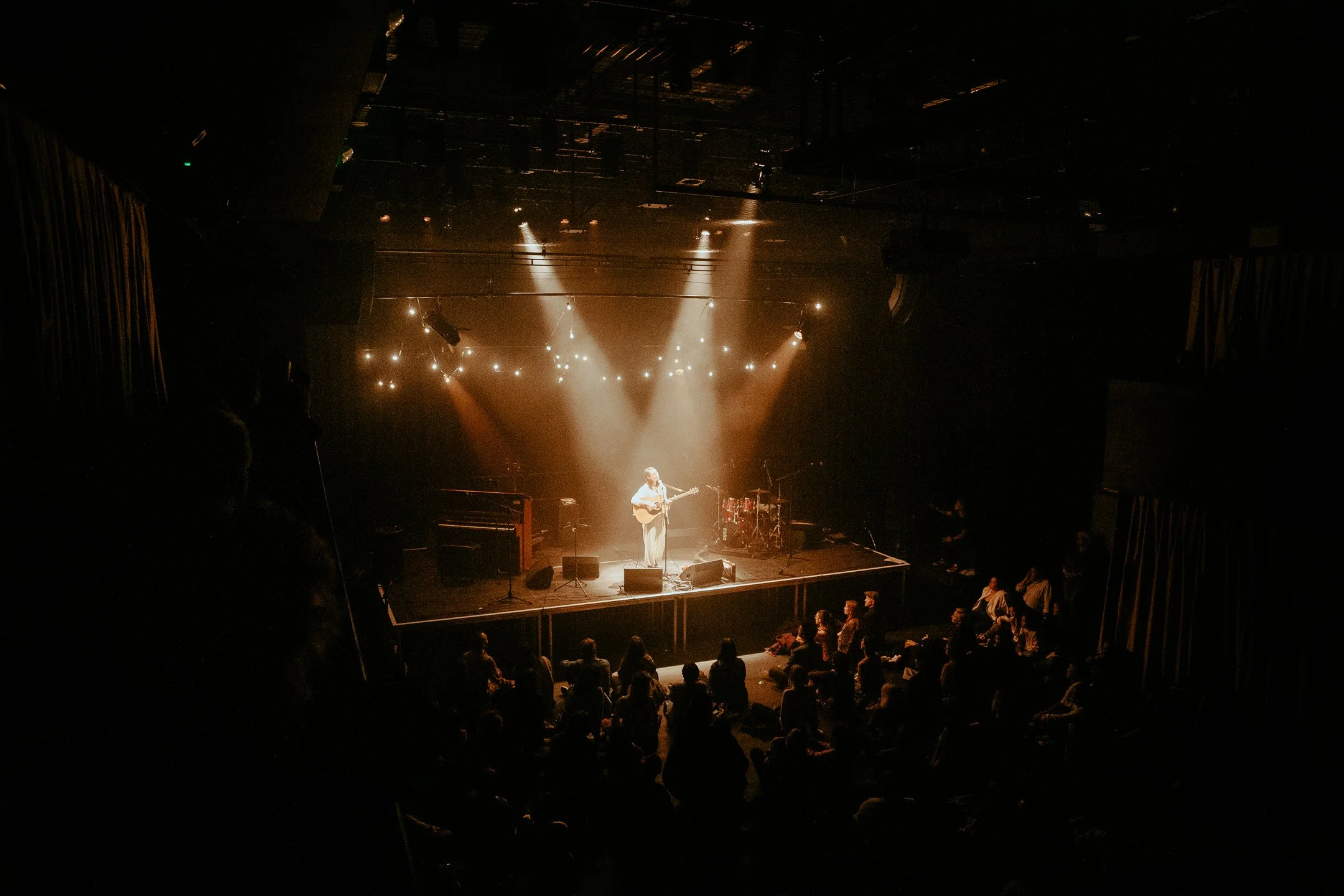
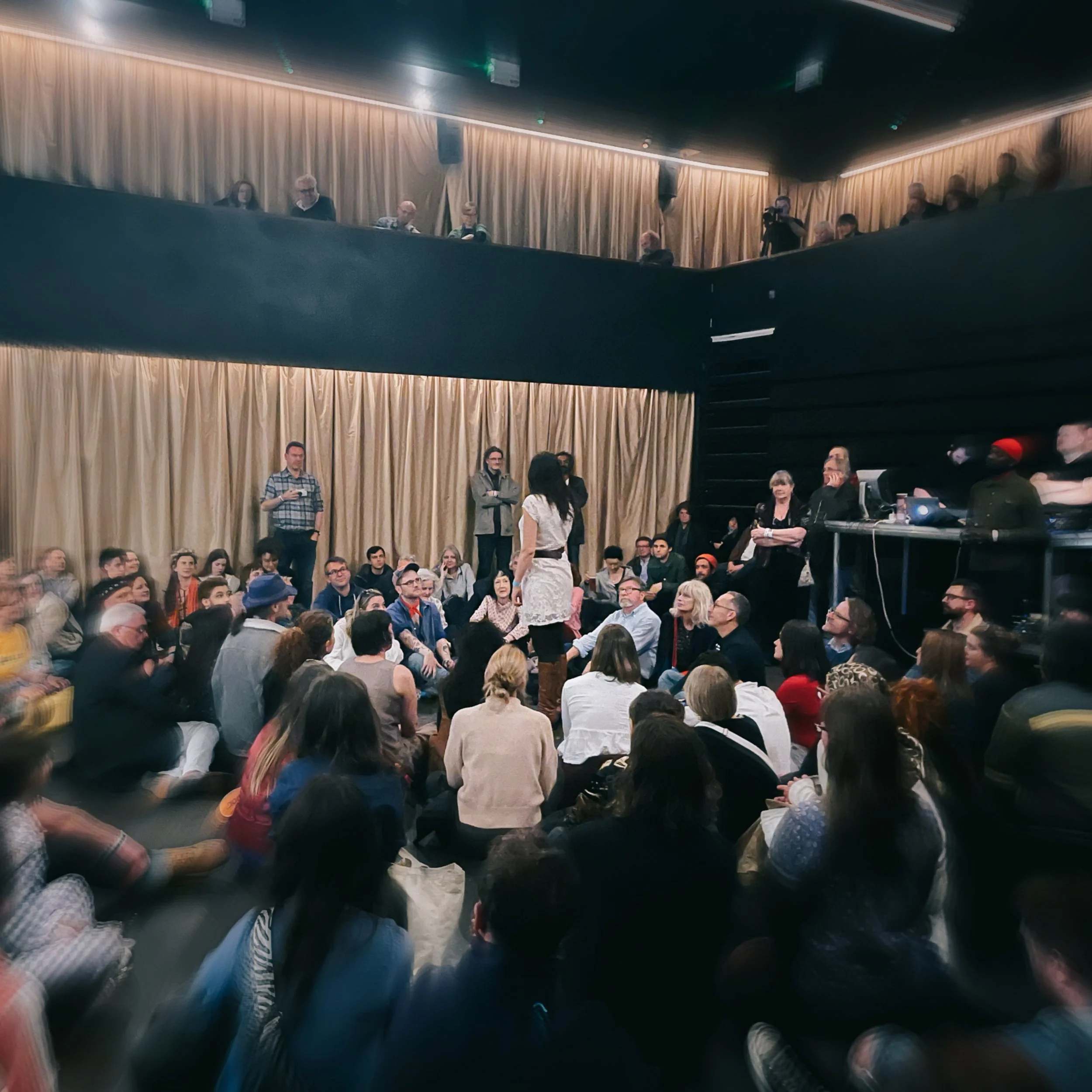
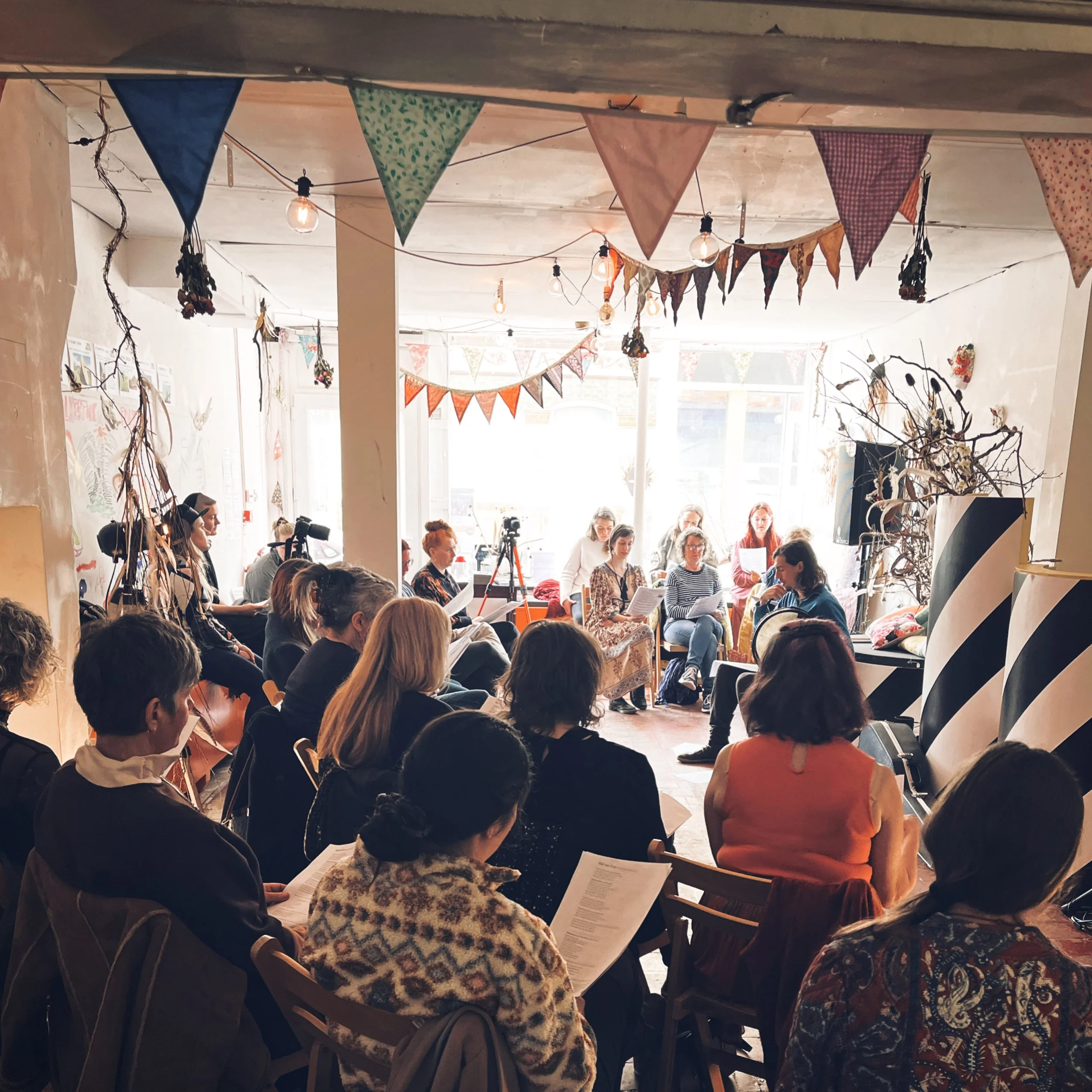
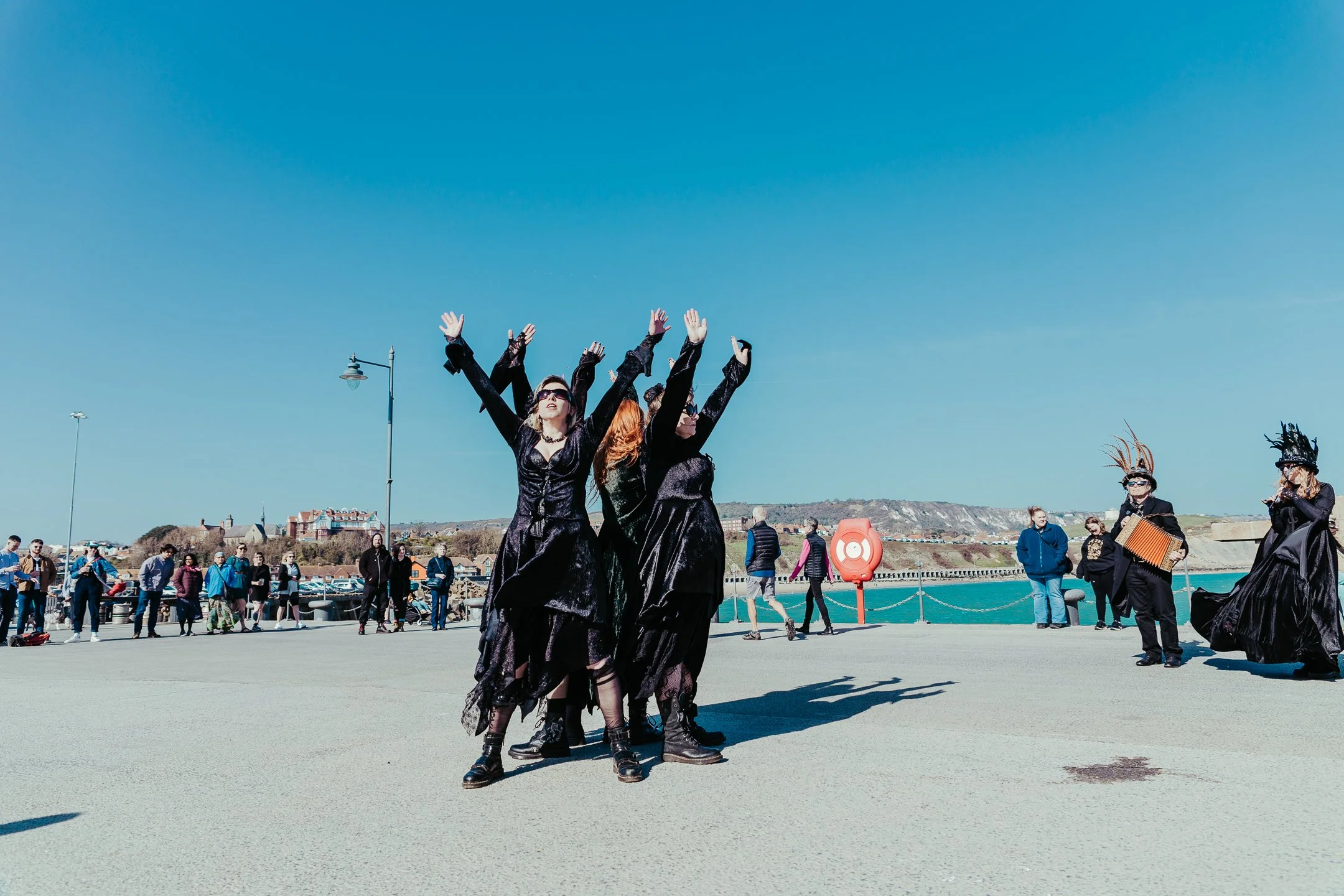
FolkeFest: Folkestone Contemporary Folk Festival launched from 21–27 March 2022 as an accessible, multicultural and inclusive celebration of contemporary folk arts. Founded and artistically directed by Didier Rochard, the week-long pilot presented 20 events involving 40 acts and 101 artists and performers across 14 Folkestone venues. It attracted 1,049 audience visits, including 939 attendances at live events and workshops and a further 110 visits to exhibitions.
FolkeFest was founded on the idea that folk culture is created by people, for people. Across the world, folk traditions have grown from work, landscape, customs, beliefs, changing seasons and shared experience. The festival sought to reinhabit that communal space: acknowledging folk traditions without being confined by them and exploring how they continue to evolve.
Its programme ranged from LGBTQ+ love songs, rebel songs and murder ballads to pagan carols for the 21st century, tales of the supernatural and science, collective singing, stories of struggle and songs of celebration. Seven “golden threads” connected the programme: tradition and reinvention; queer folk; shared song; storytelling and folklore; talks and provocation; visual and community arts; and relationships between people and nature.
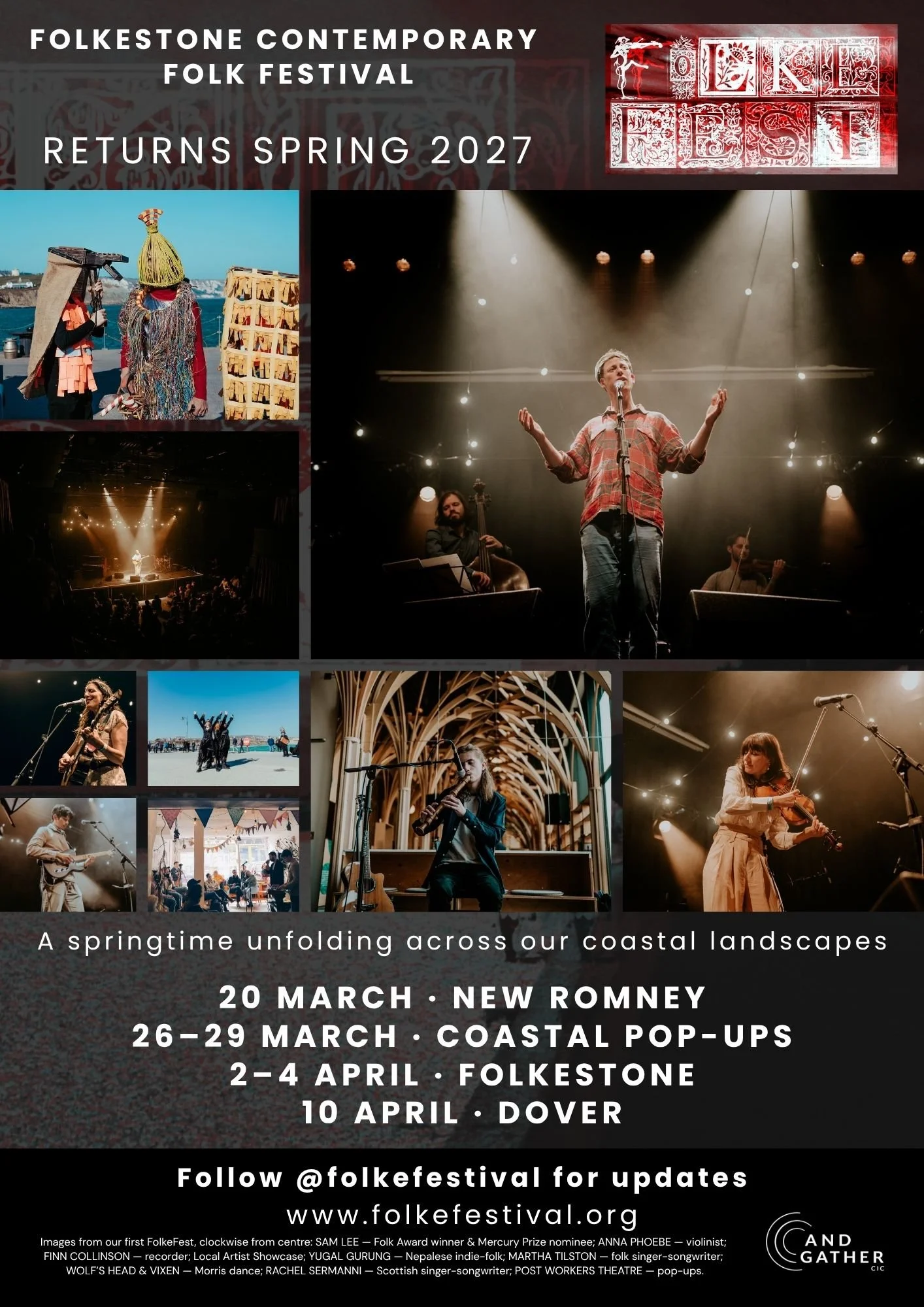
The festival is re-launching in 2027 under And Gather CIC, as a distributed coastal festival, building on the work developed through Church + Coast and This Place Meant.
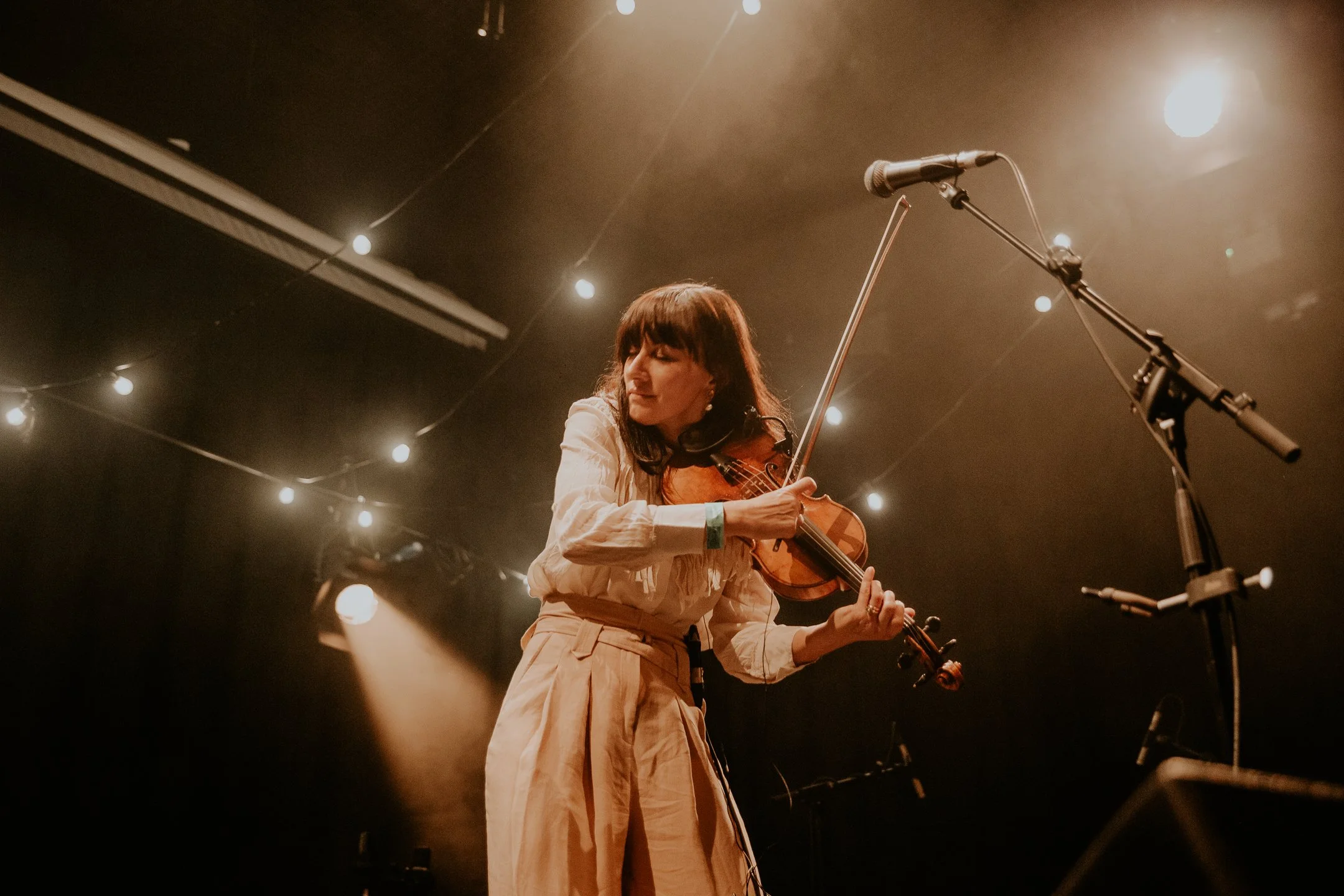
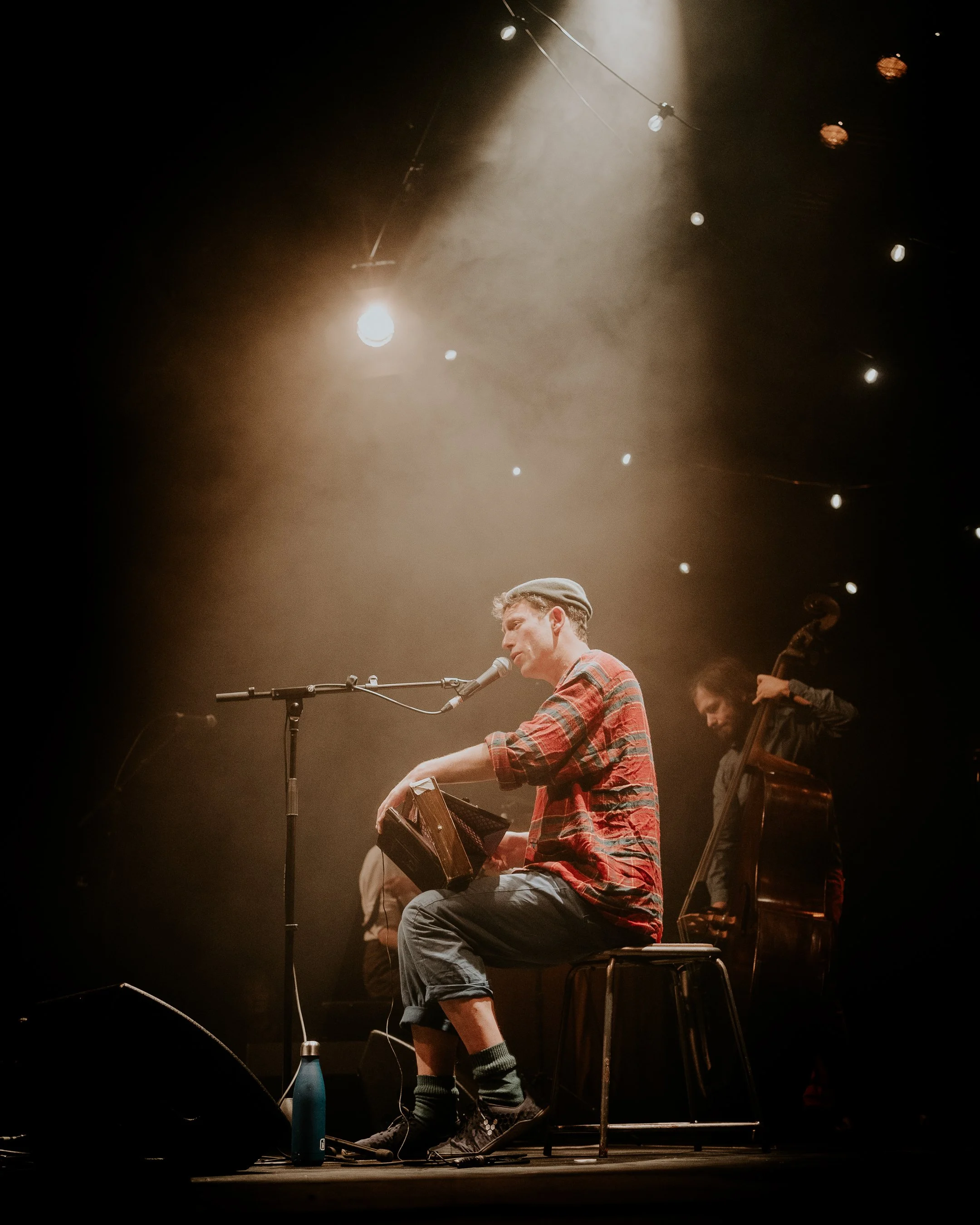
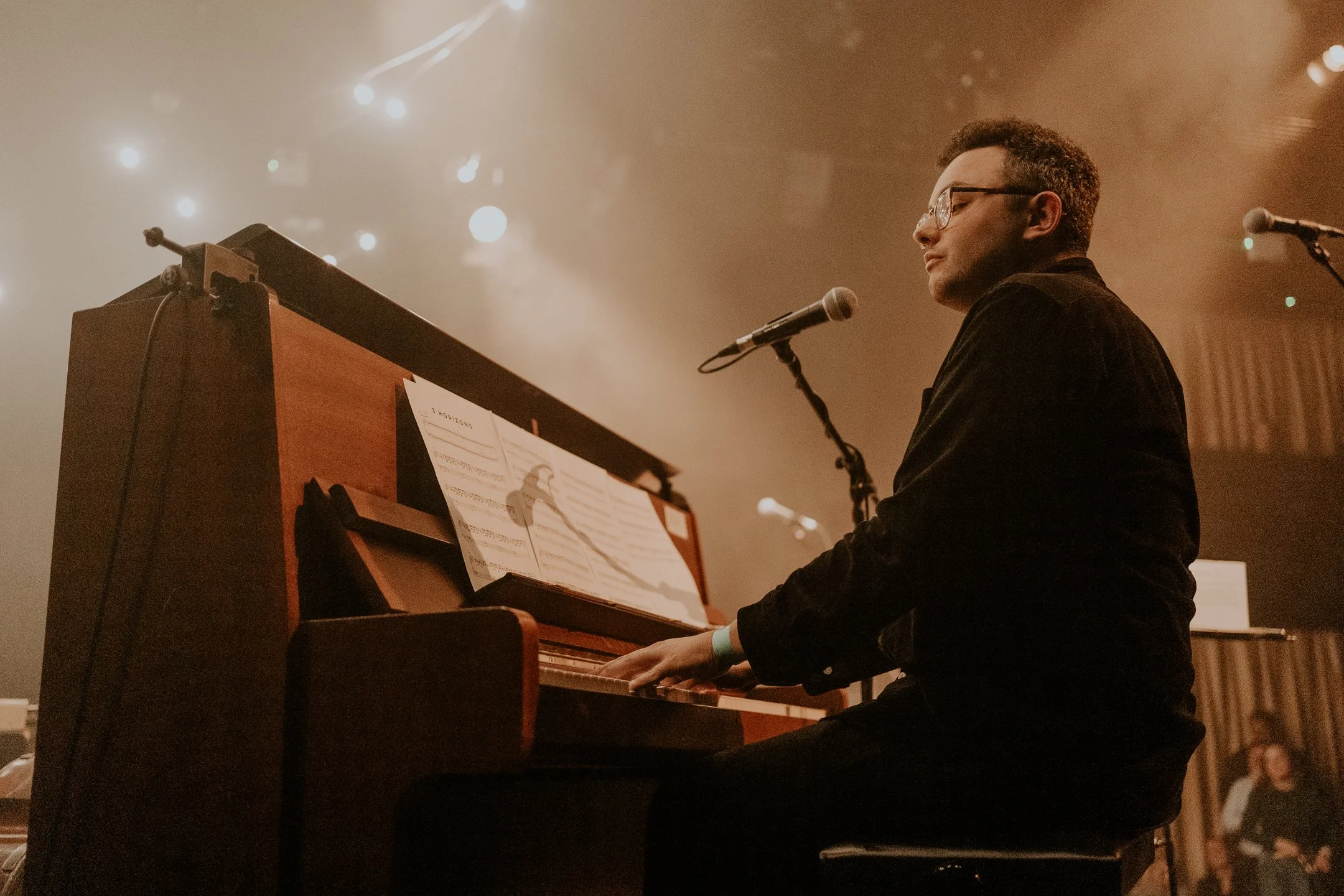
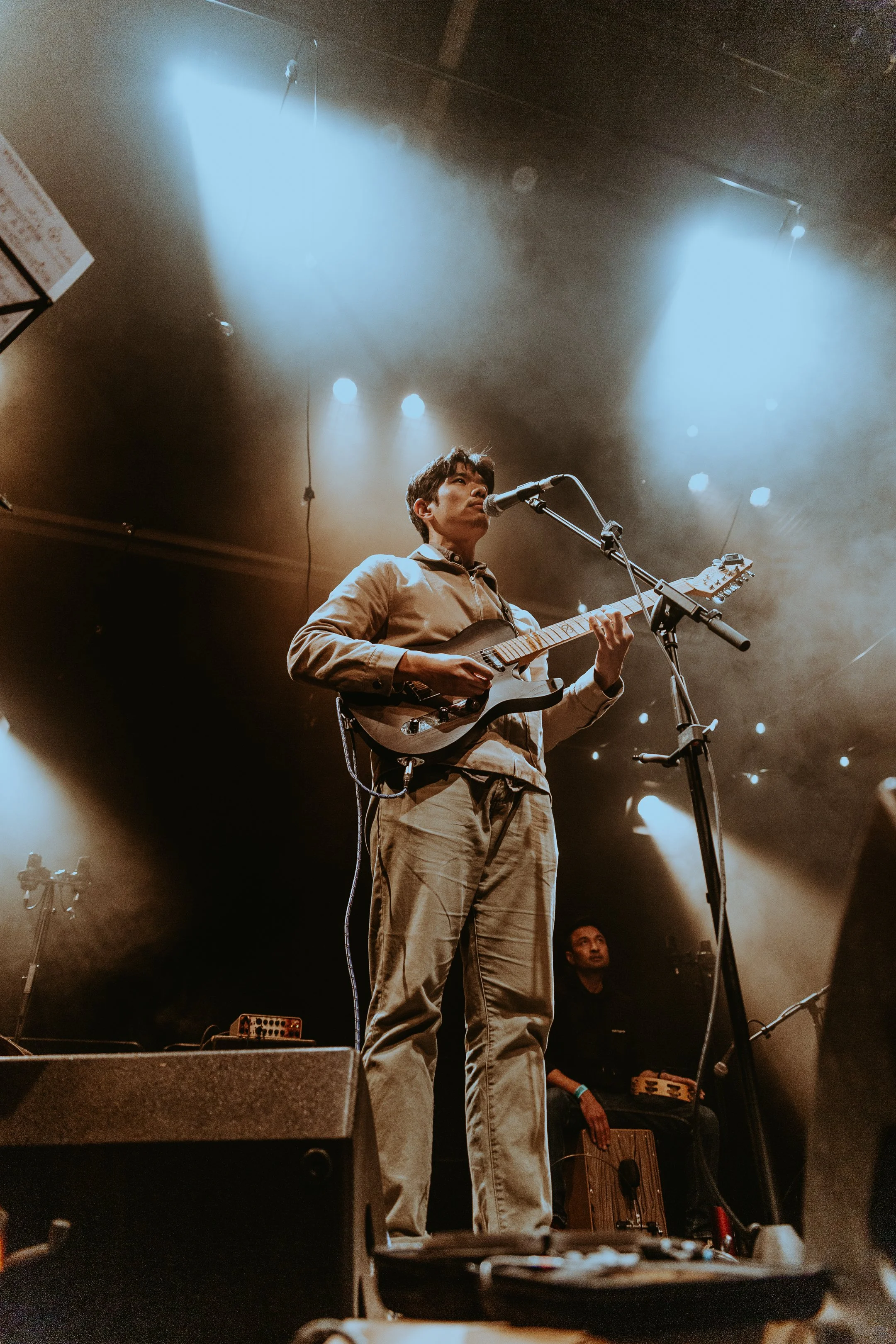
Music
“It has an incredible lineup… The festival’s diverse lineup sets it apart. It highlights its progressive approach in representing artists and music today and provides a platform to elevate unsigned and early career performers. Of note is how many LGBTQAI+ artists are performing at the festival.”
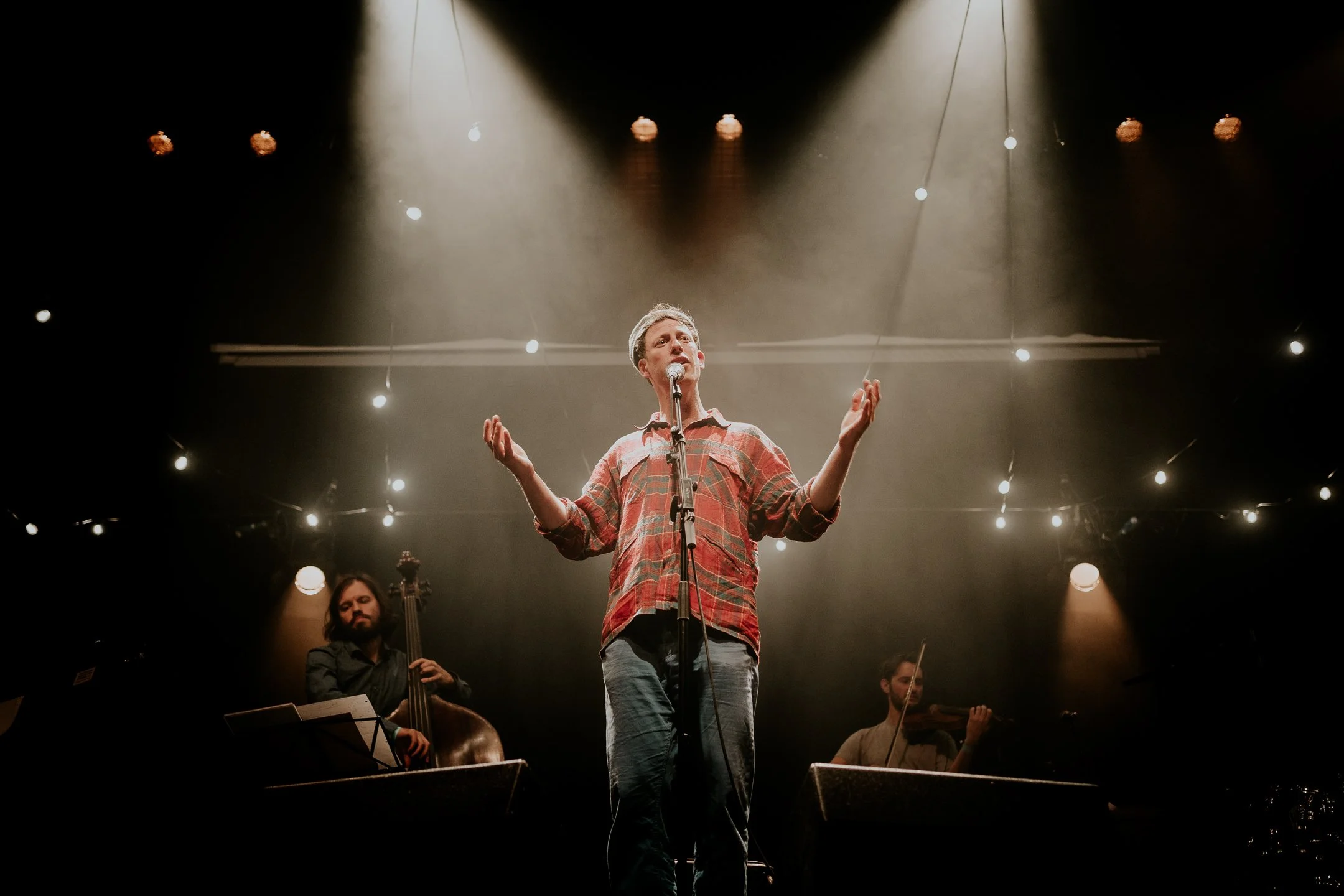
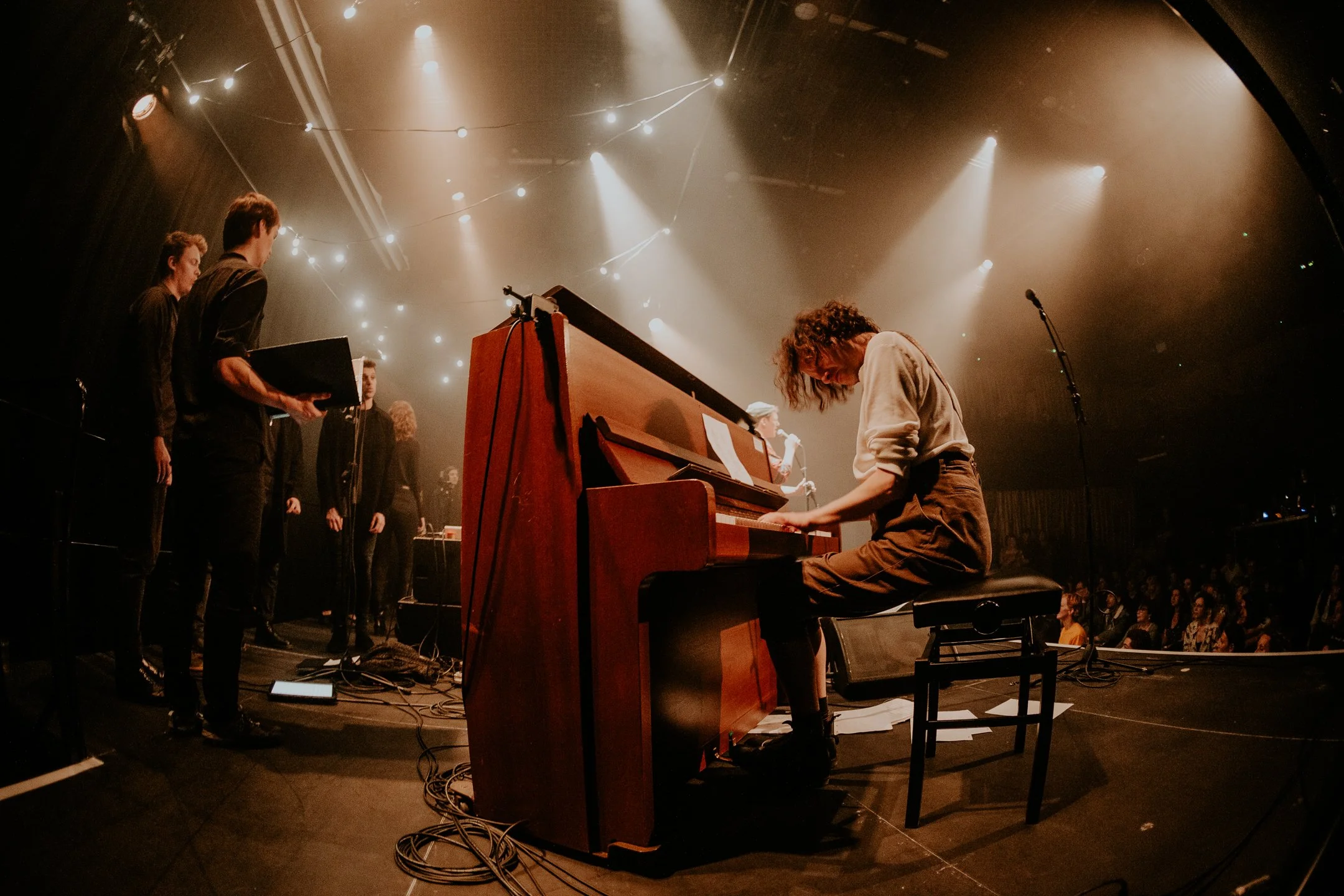
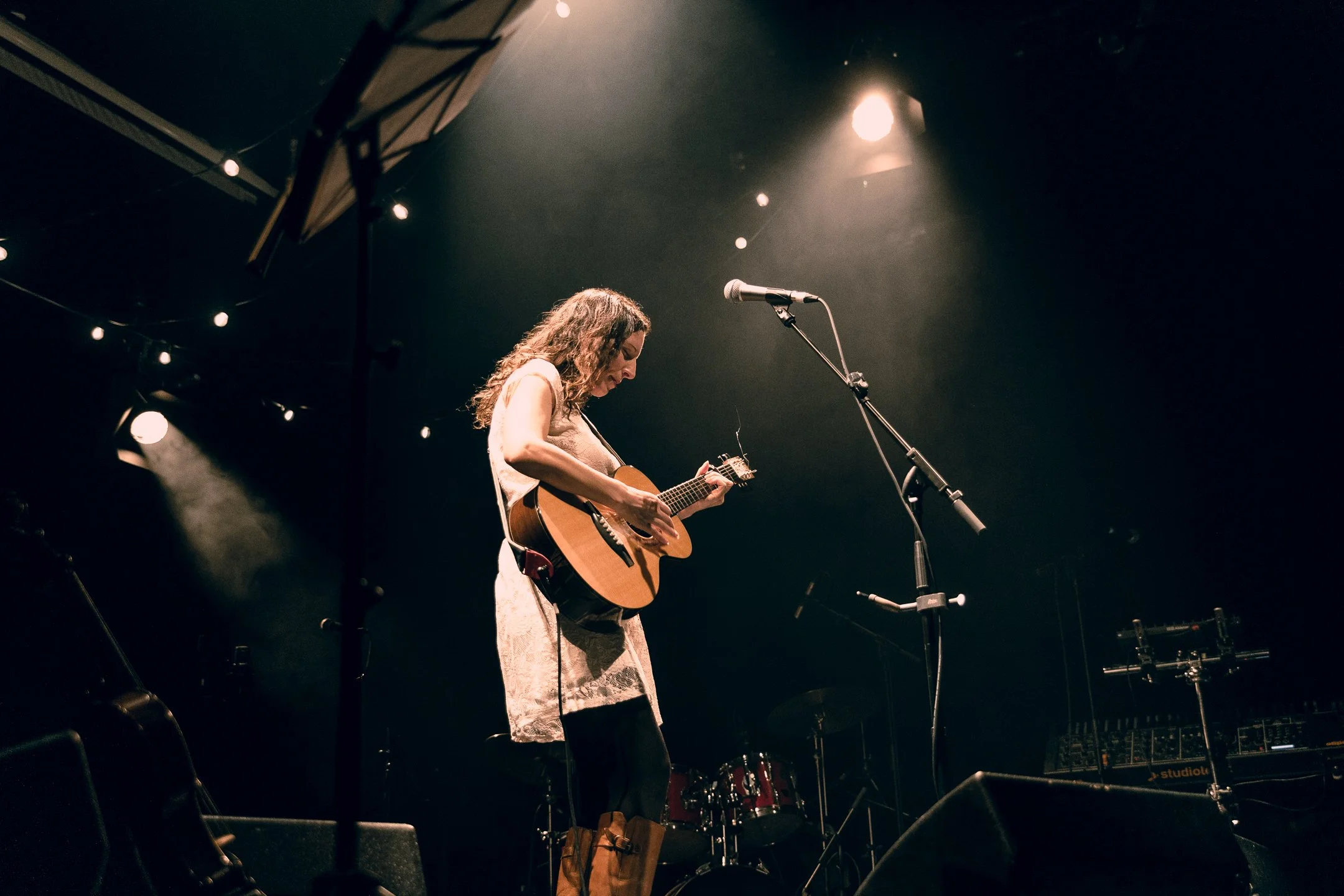
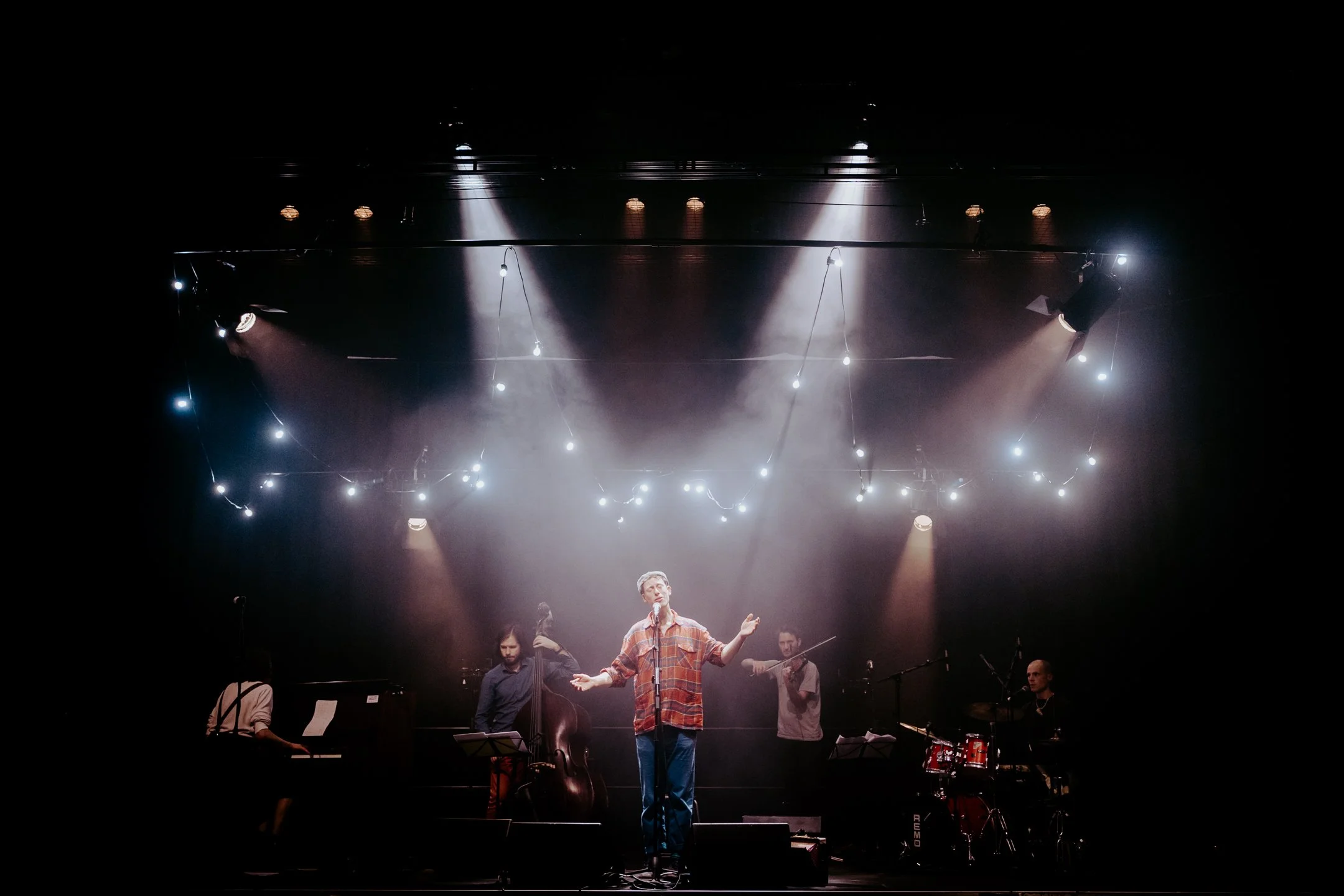
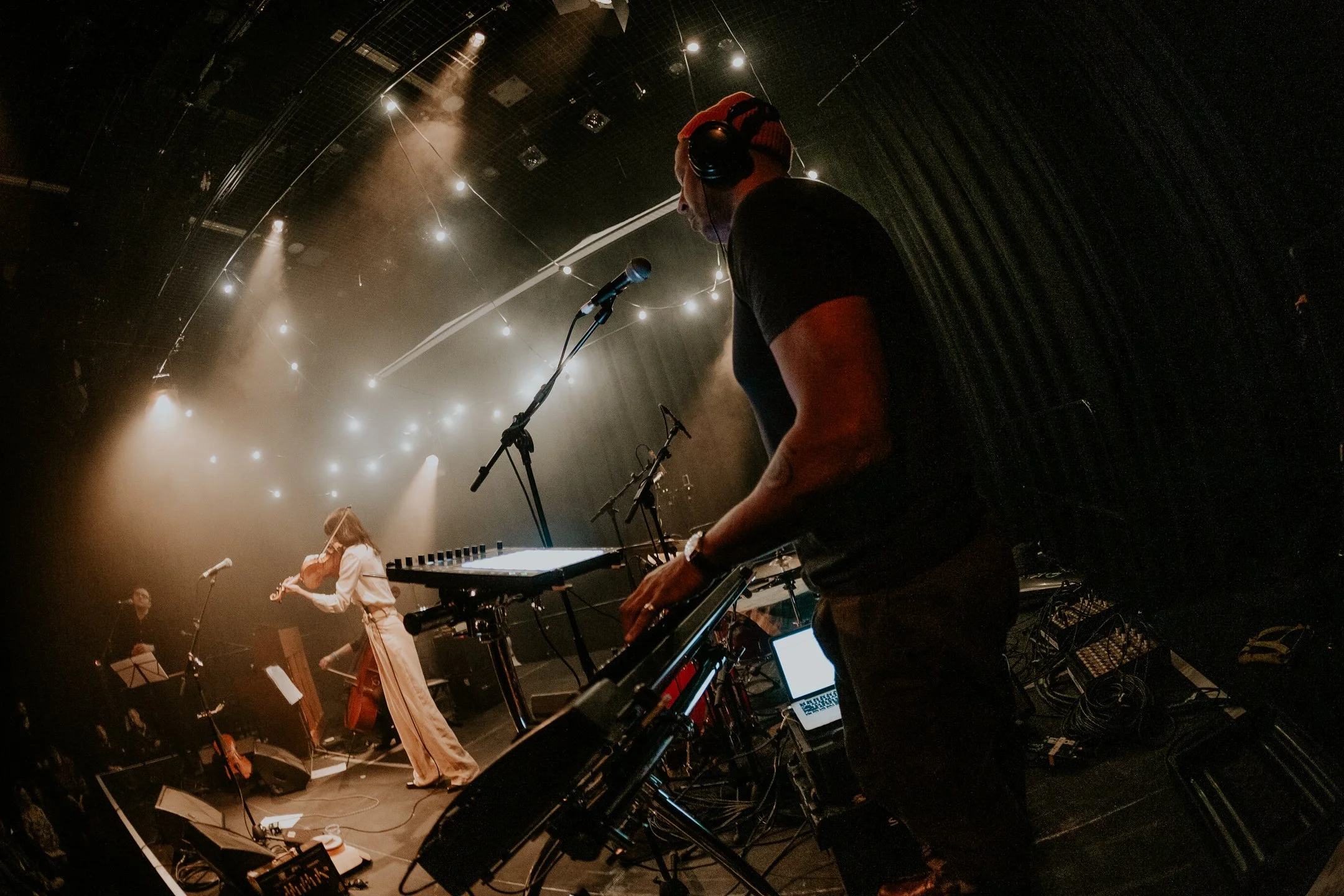
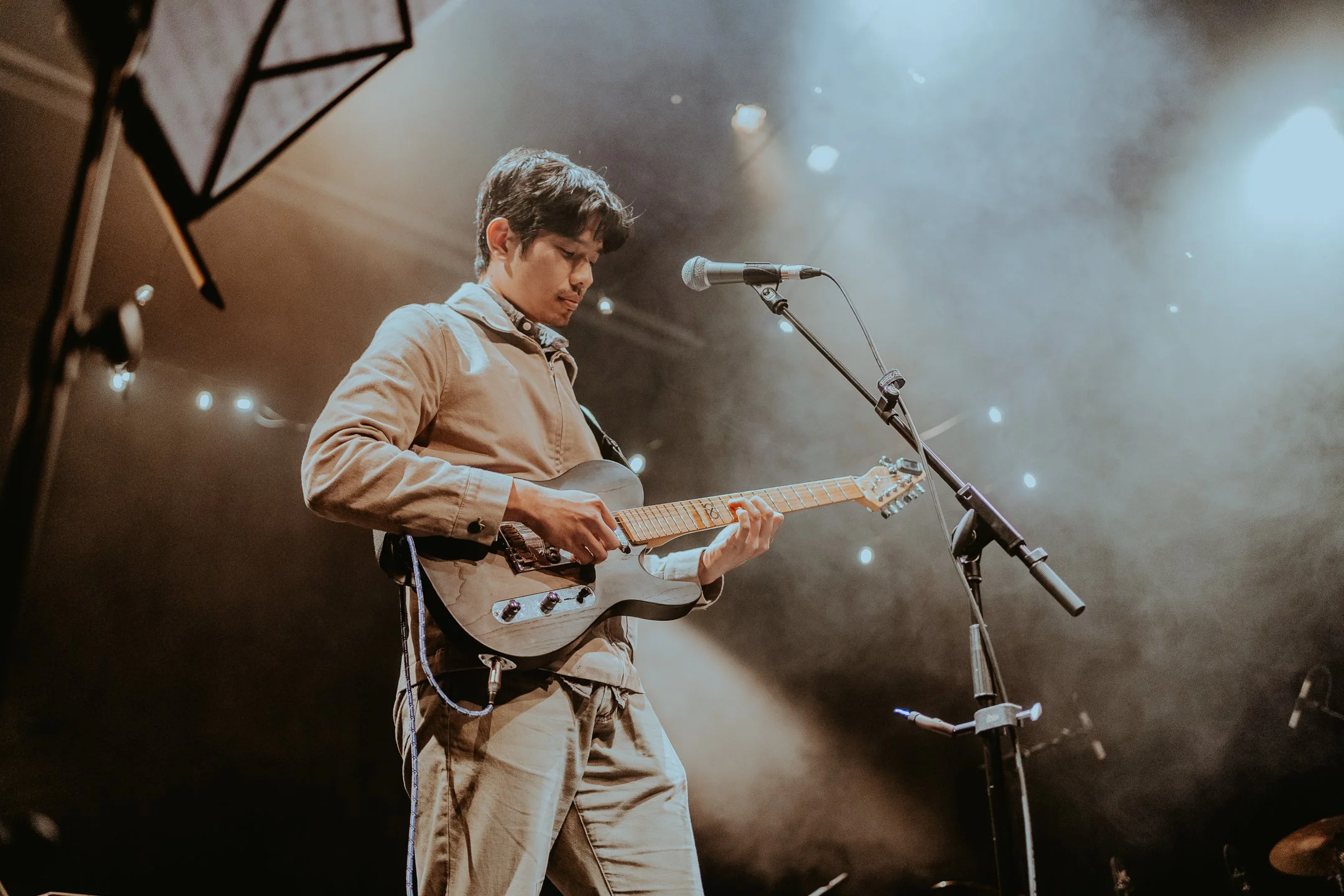
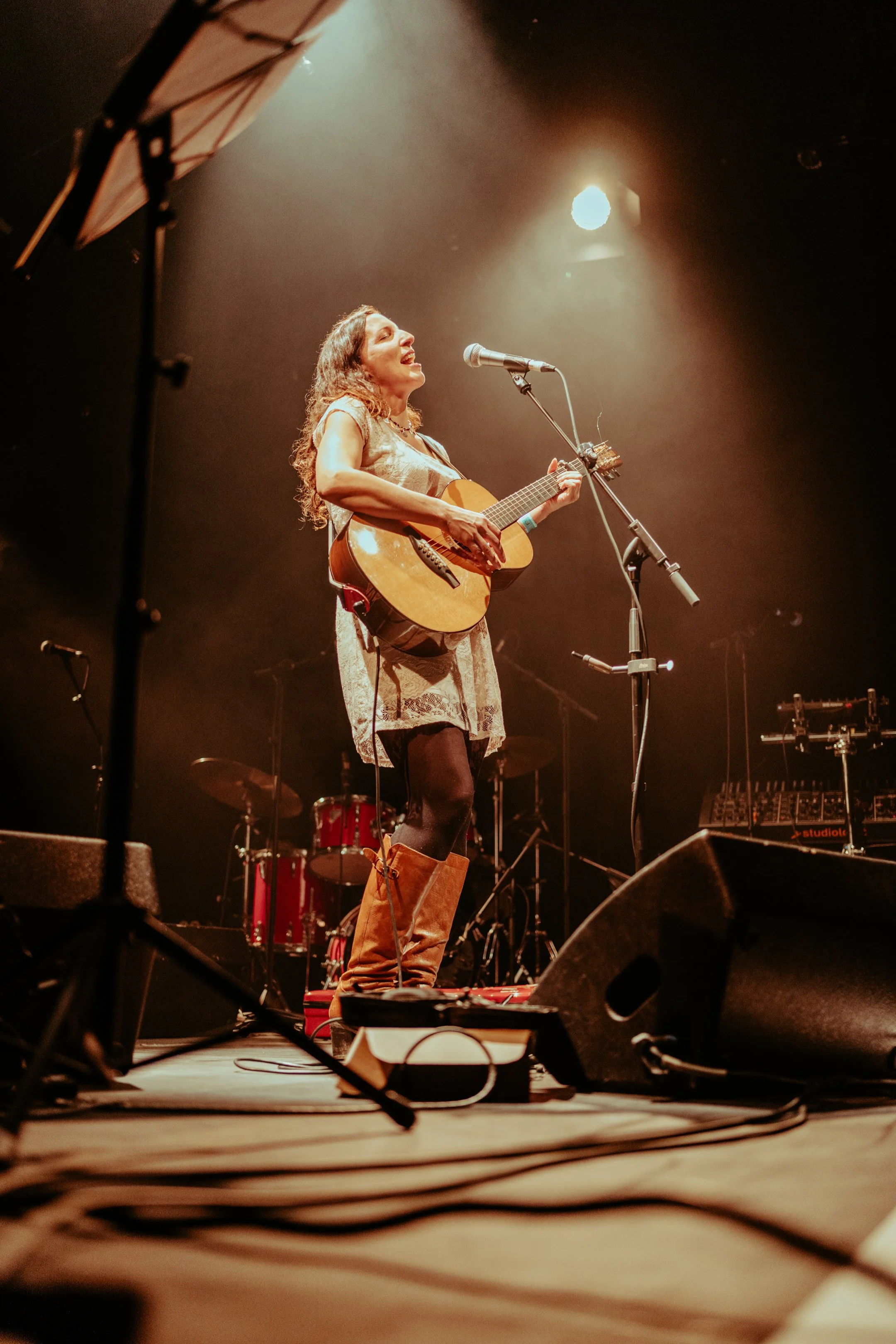
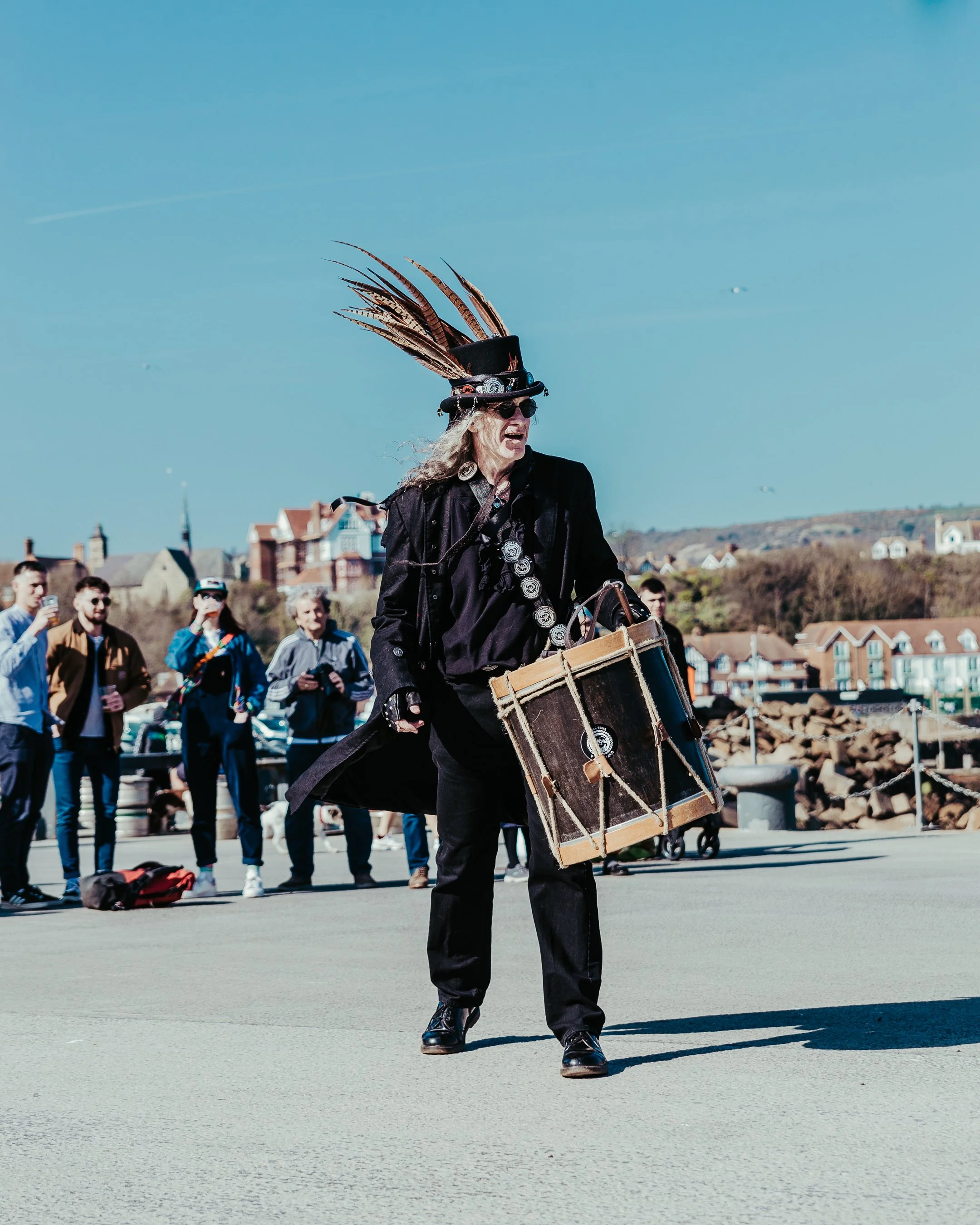
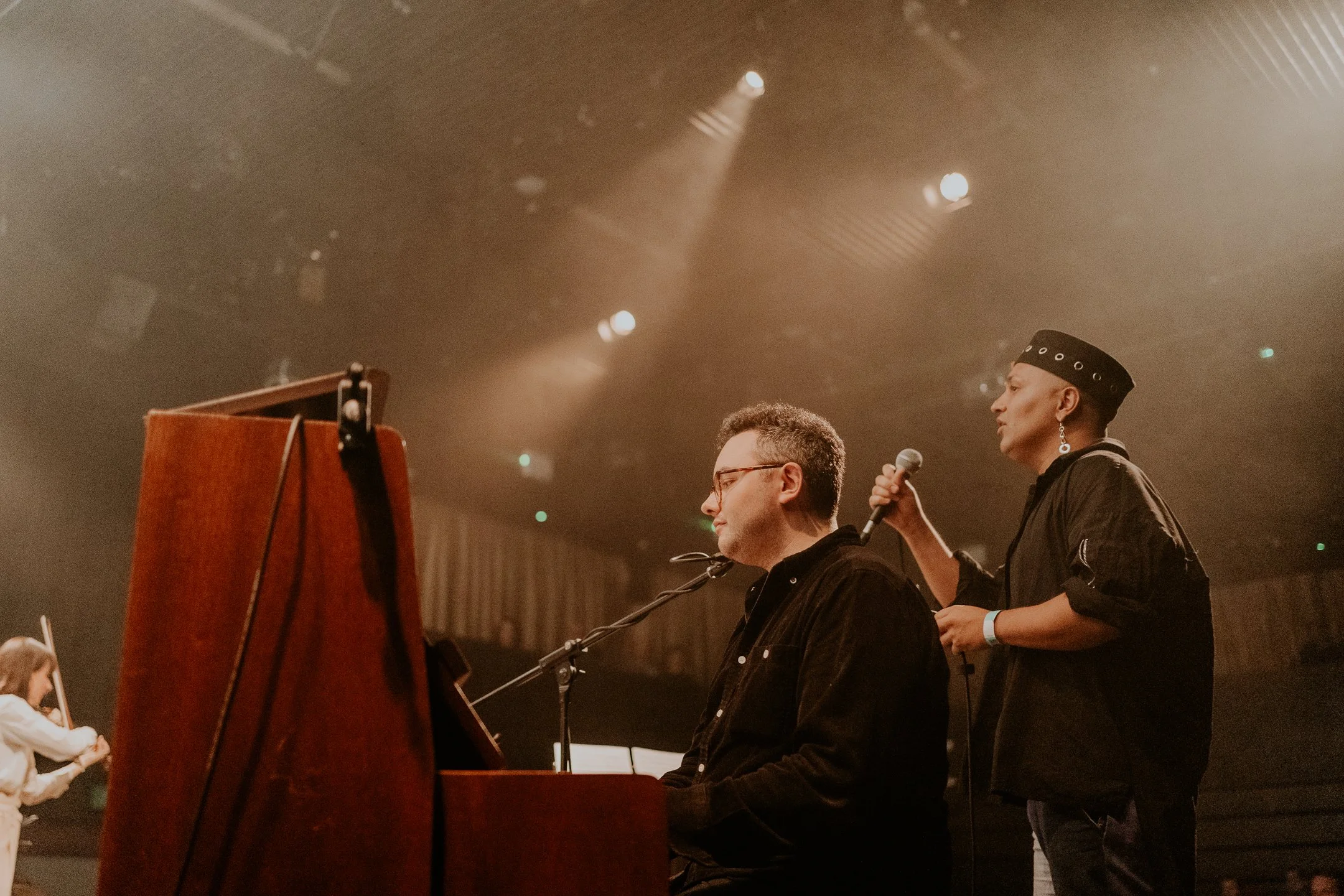
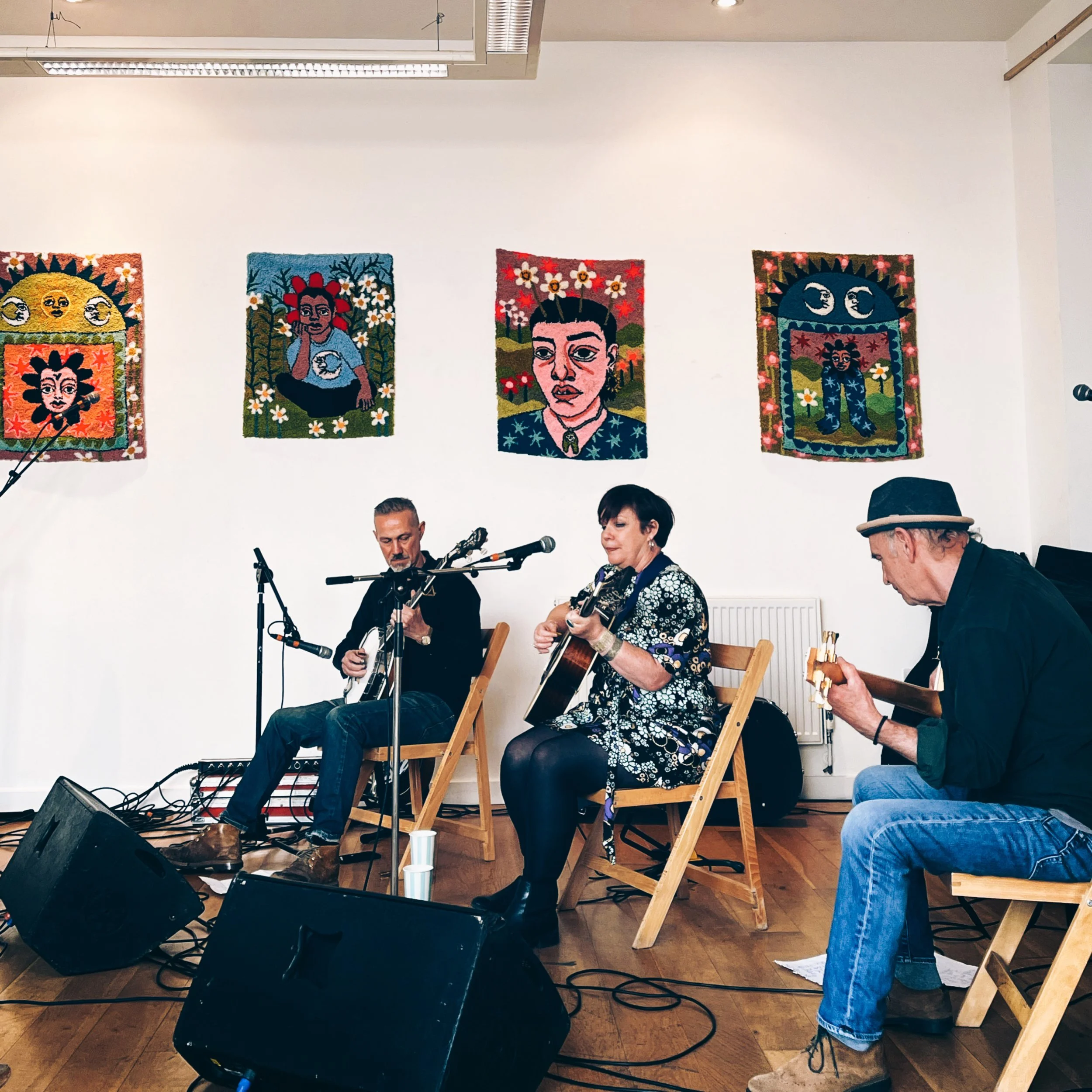
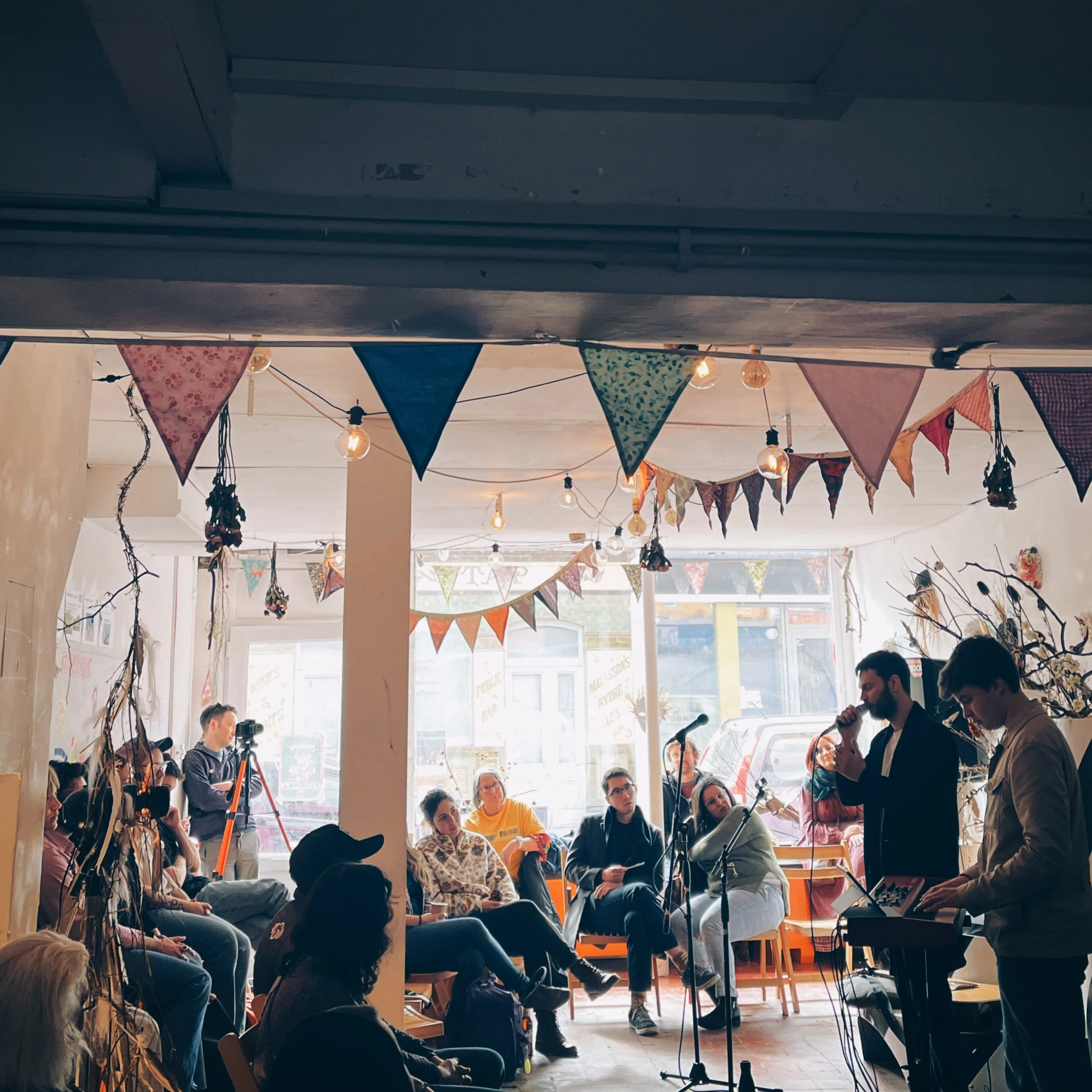
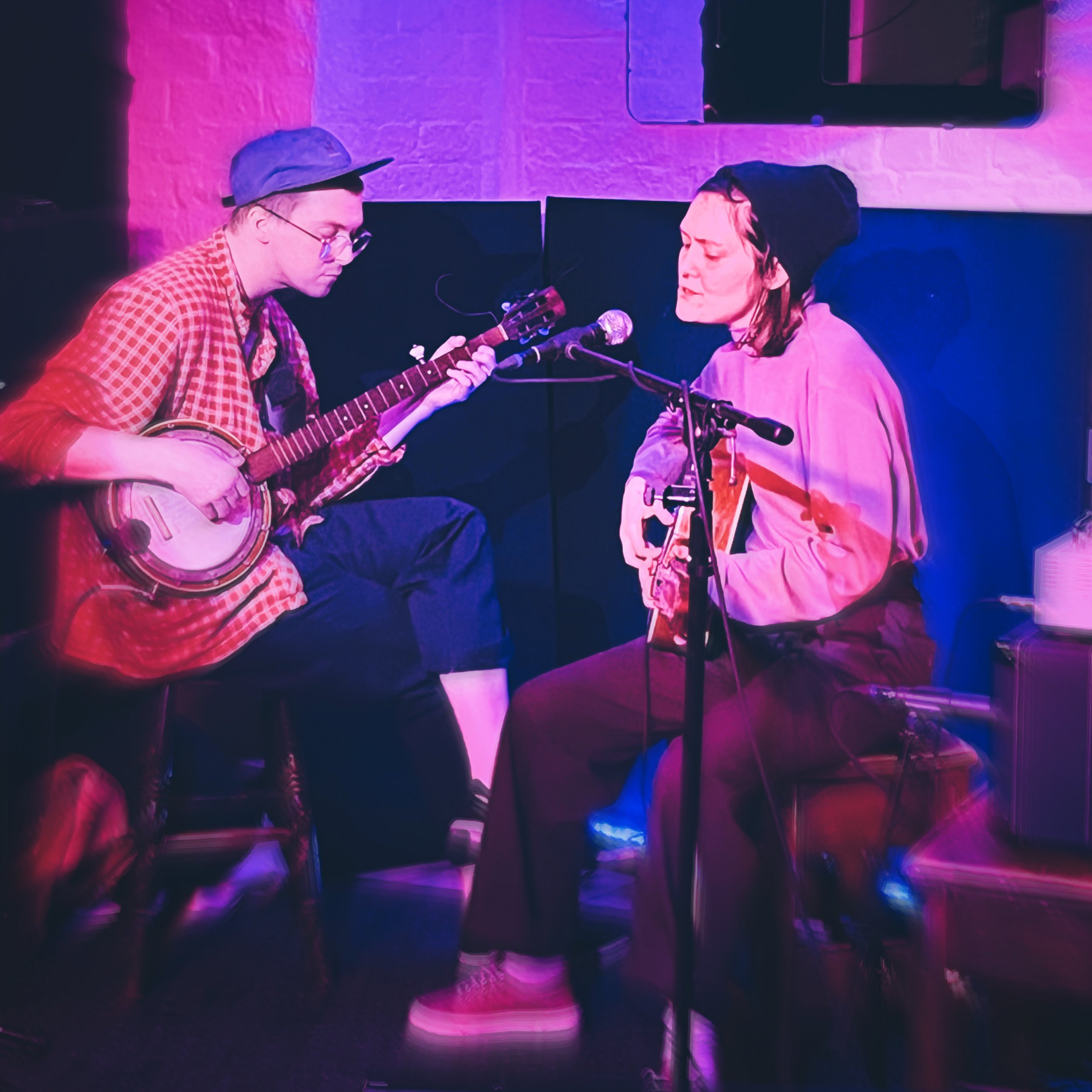
Centred around Folkestone’s Creative Quarter, FolkeFest 2022 combined nationally recognised artists with emerging and local talent. The headline concert at Quarterhouse featured Mercury Prize-nominated singer Sam Lee and Scottish singer-songwriter Rachel Sermanni, performing with London Contemporary Voices, alongside Martha Tilston, Anna Phoebe, Yugal Gurung and Finn Collinson.
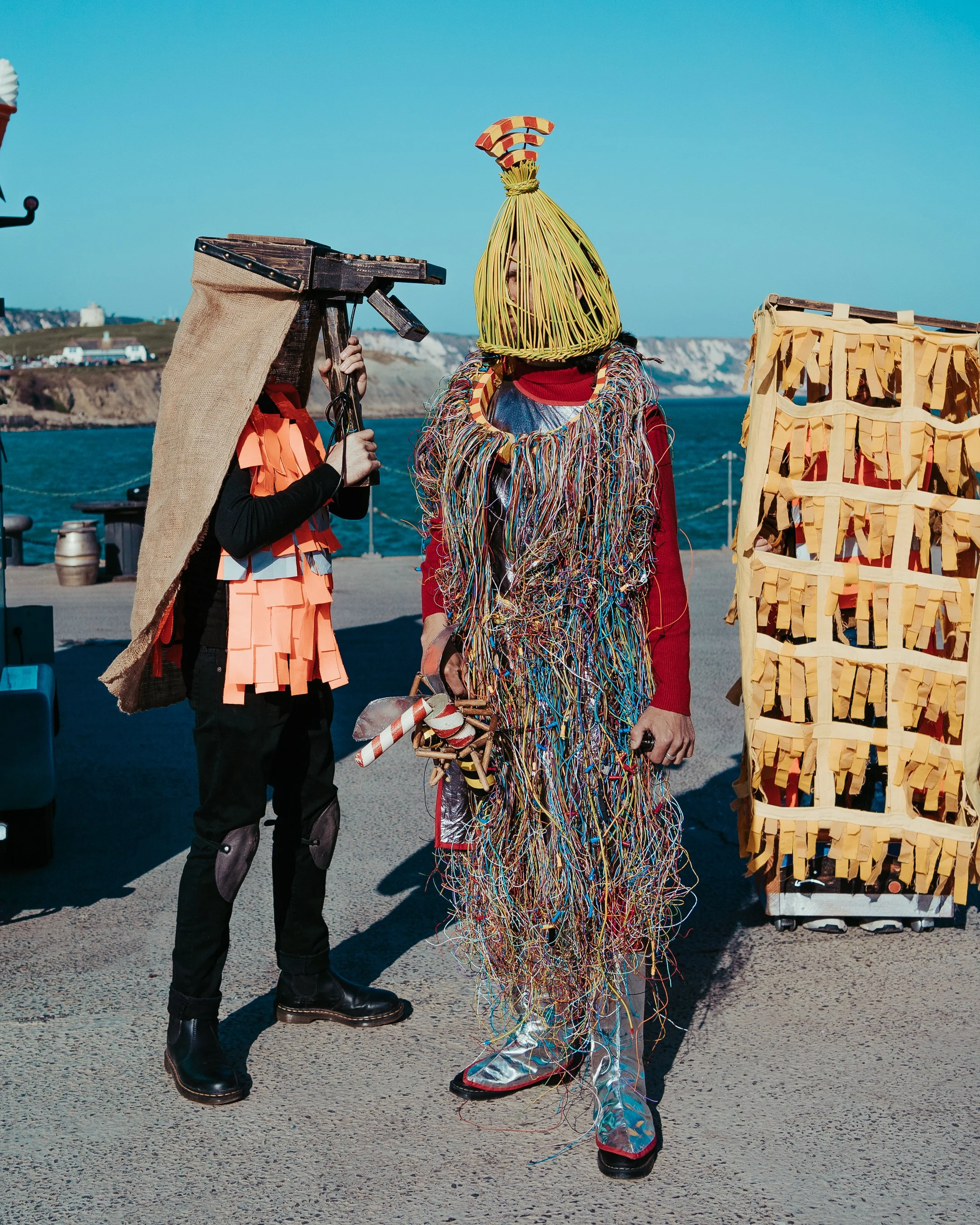
The wider programme included artists such as Maddie Morris, Rihab Azar, Shovel Dance Collective, Lunatraktors, Sam Brookes, Wolf’s Head and Vixen Morris, Post Workers Theatre and many more, including numerous local acts.
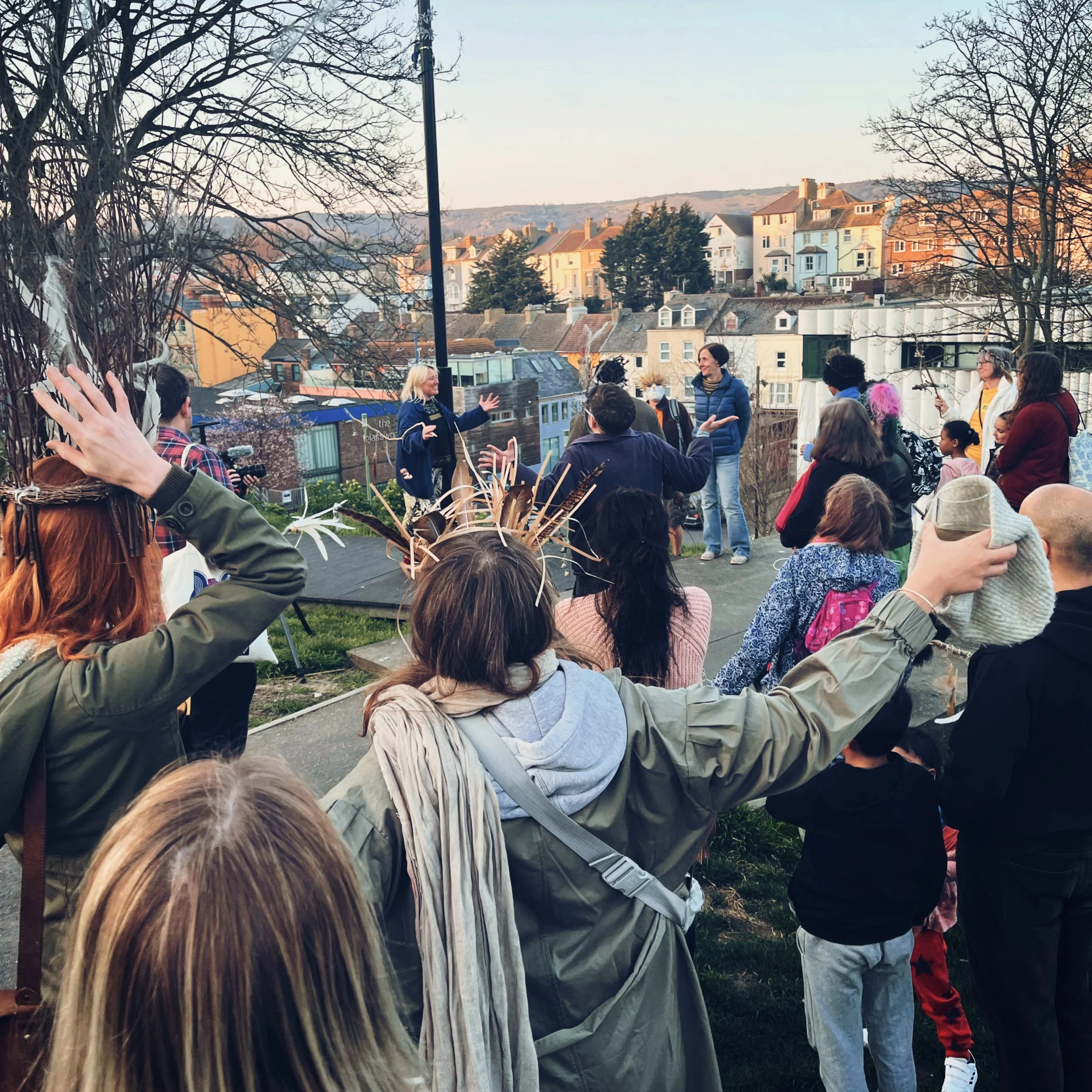
Visual & Performing Arts
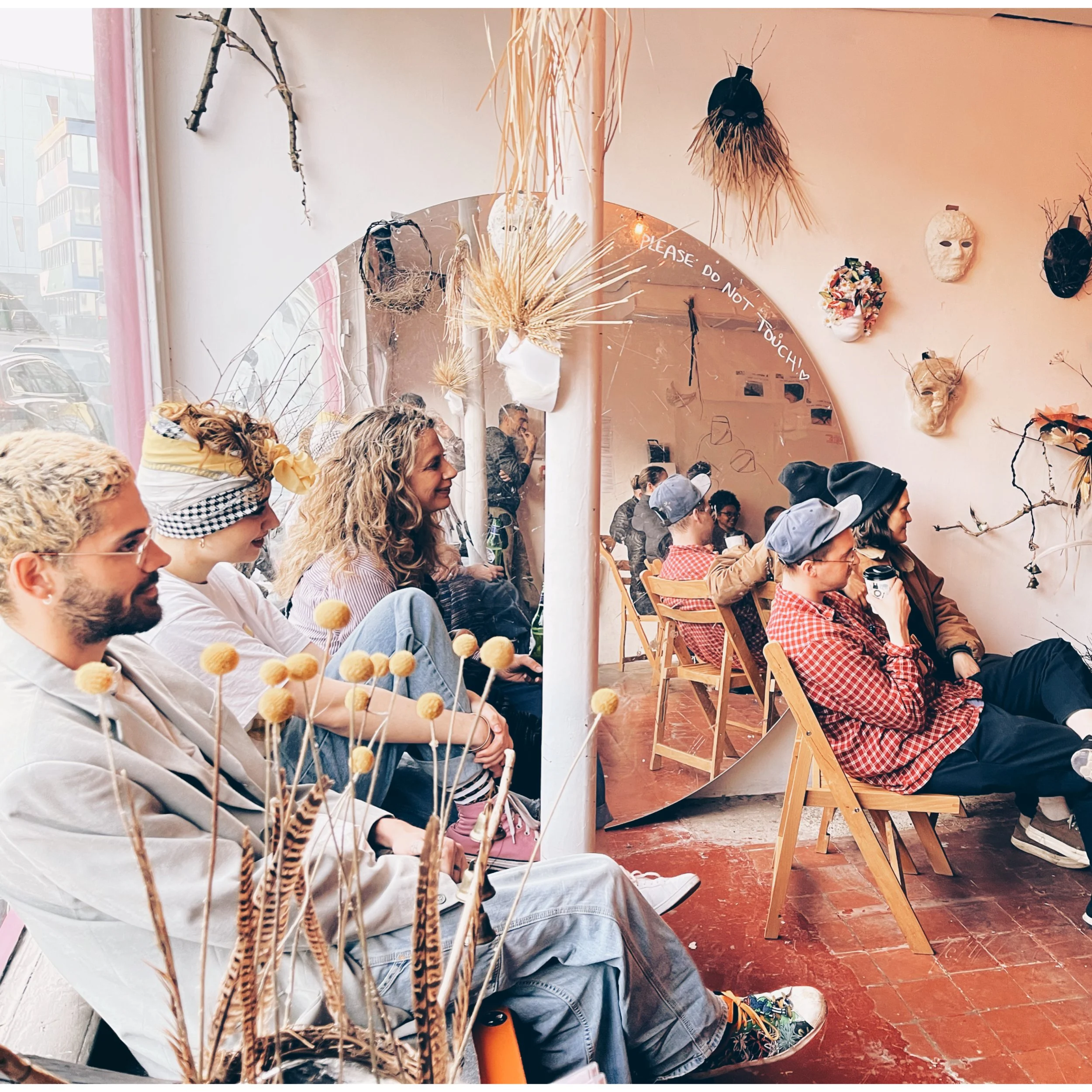
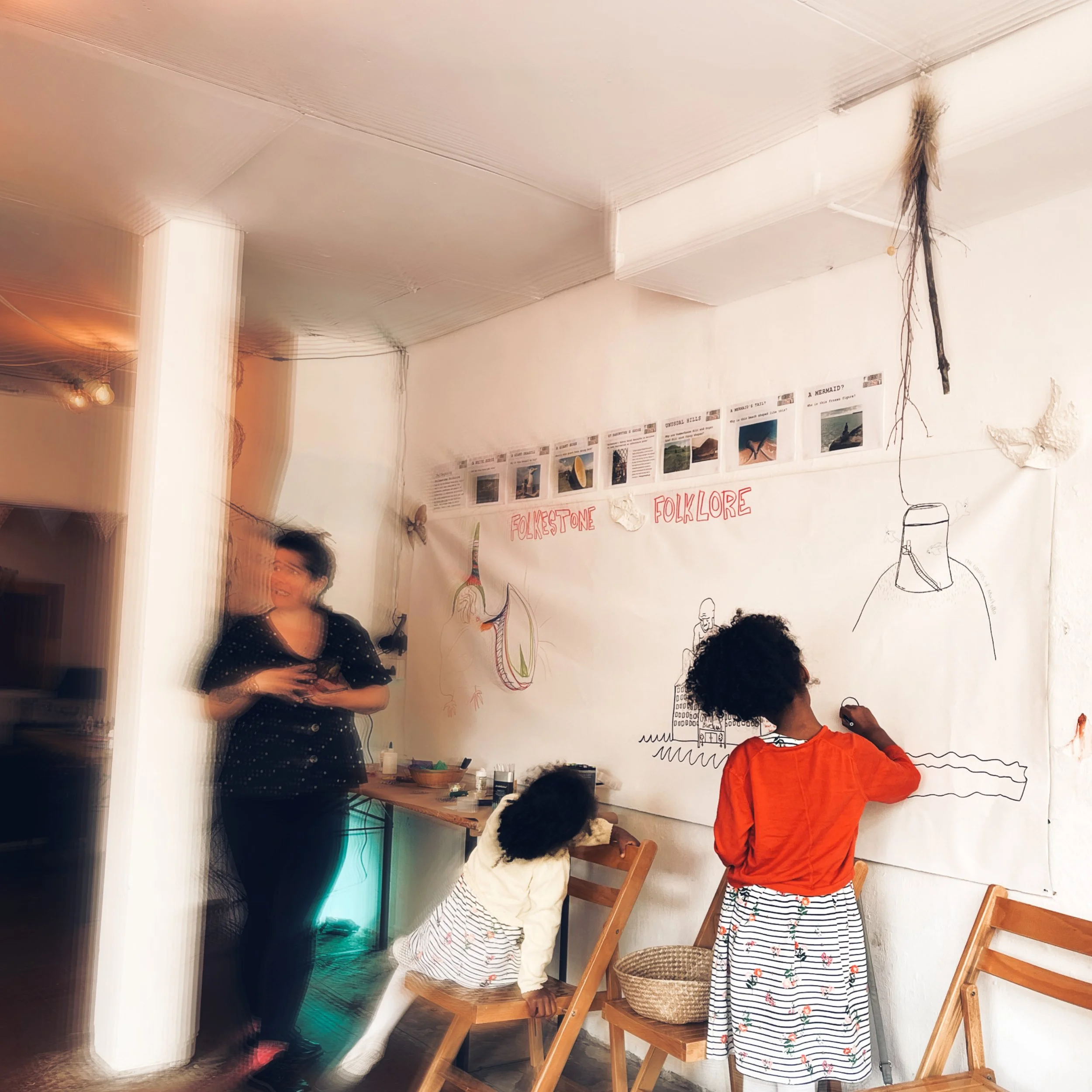
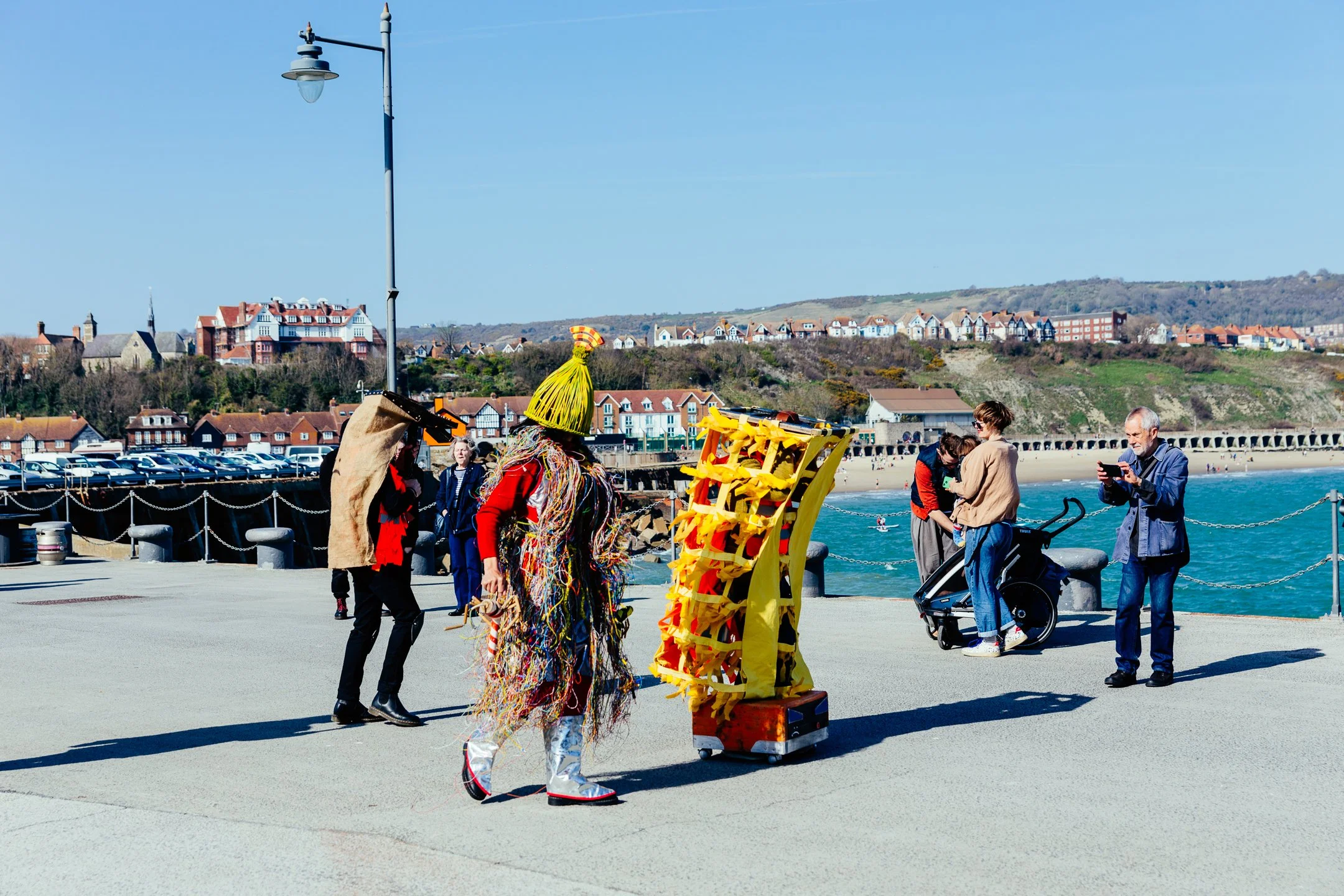
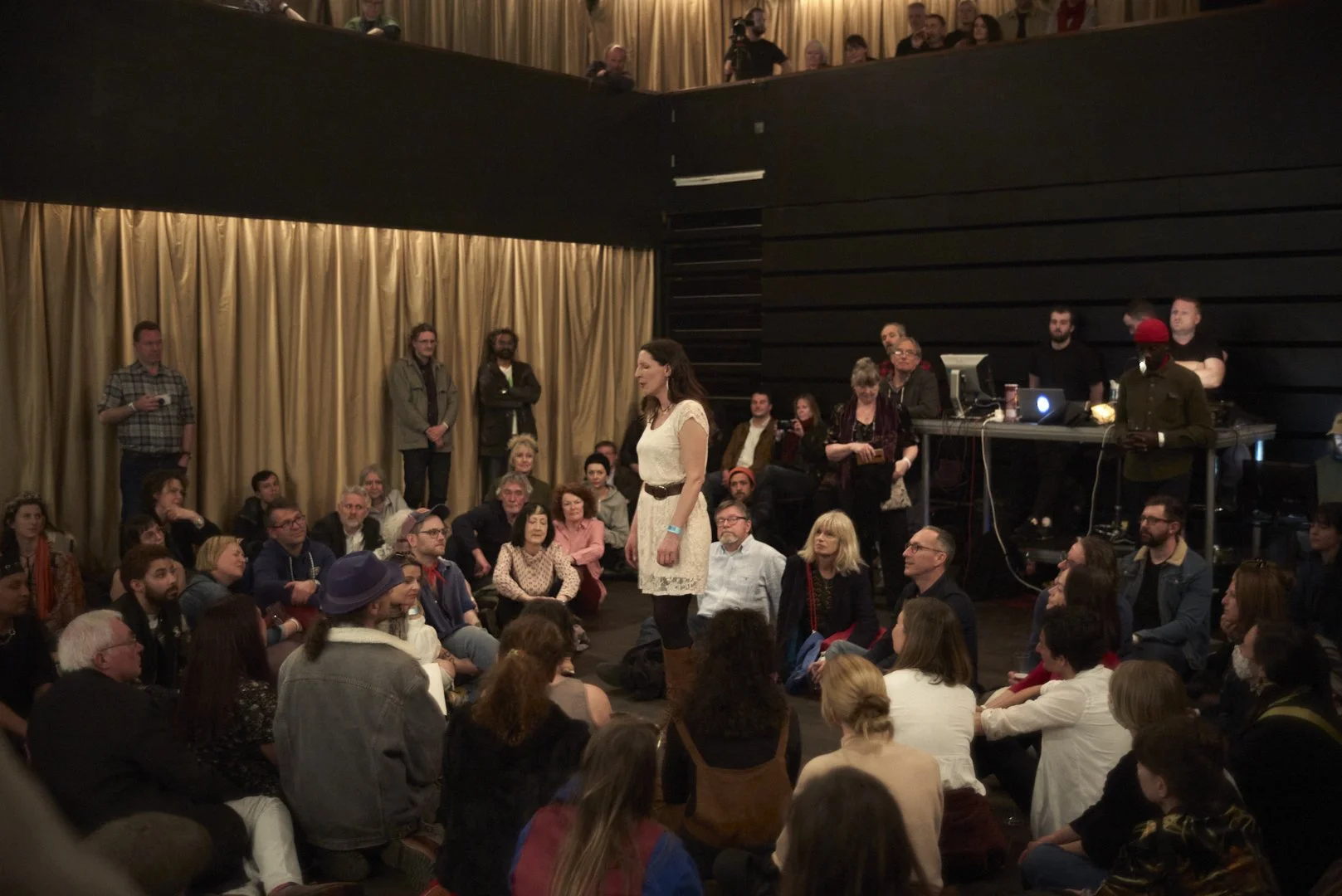
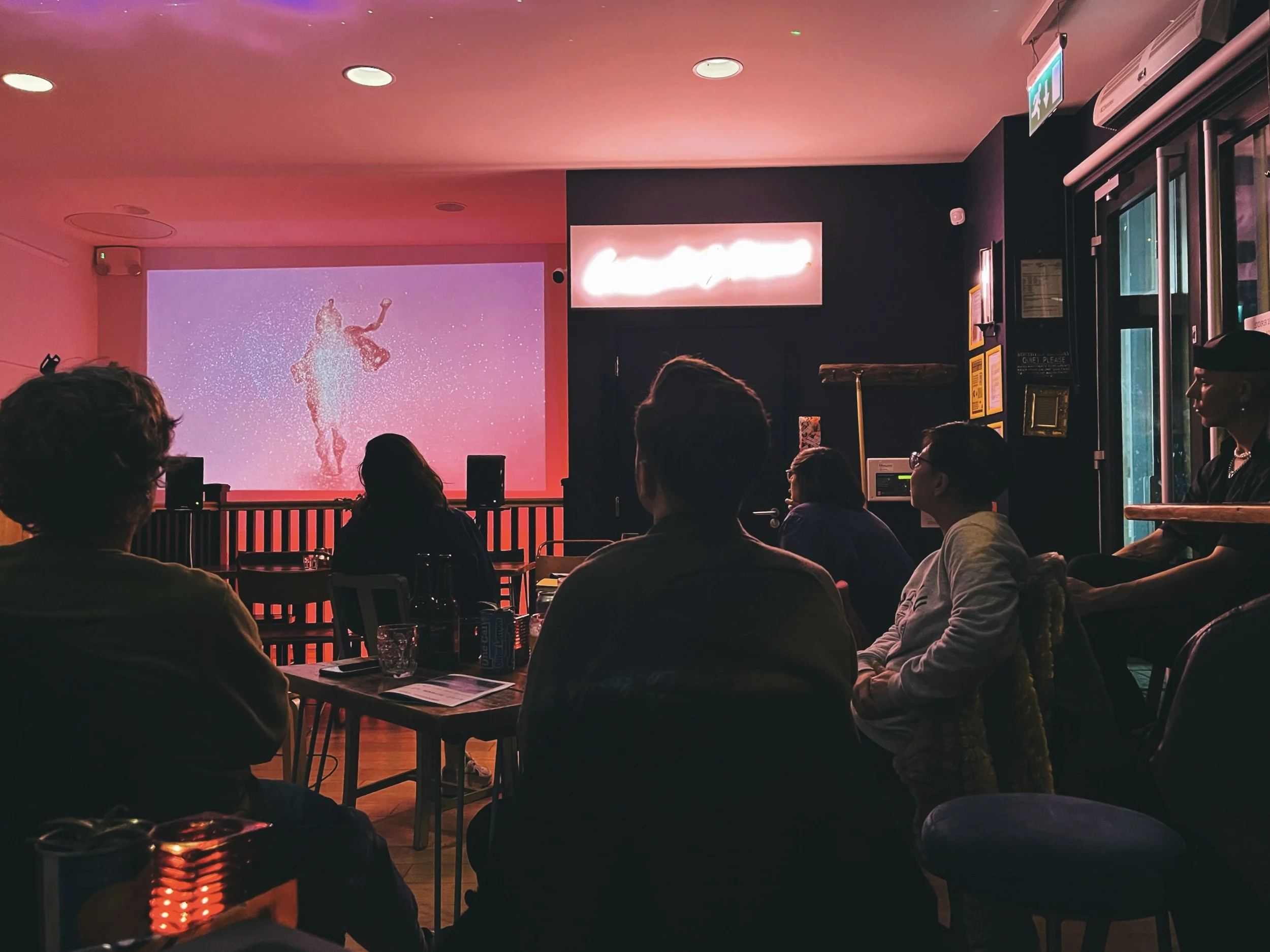
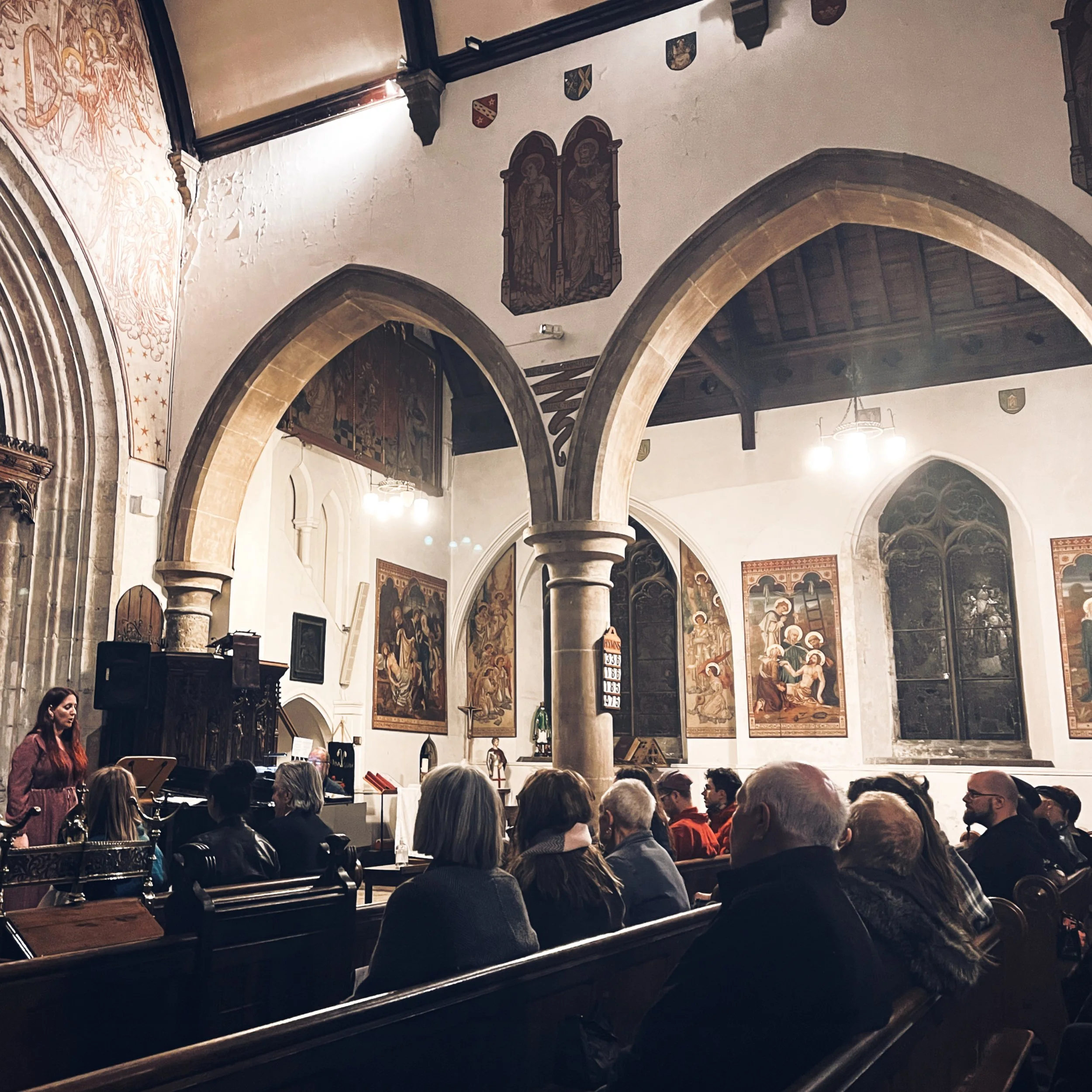
In 2022 the interdisciplinary programme extended well beyond conventional folk concerts, encompassing visual art, dance, theatre, puppetry, storytelling, film, talks, family workshops, collective singing, DJs and a community procession. Performances took place in independent venues, galleries, public spaces and St Mary and St Eanswythe’s Church. The Gathering of Folk exhibited work by ten Kent-based visual artists across five locations, creating a visual backdrop to the festival’s live programme.
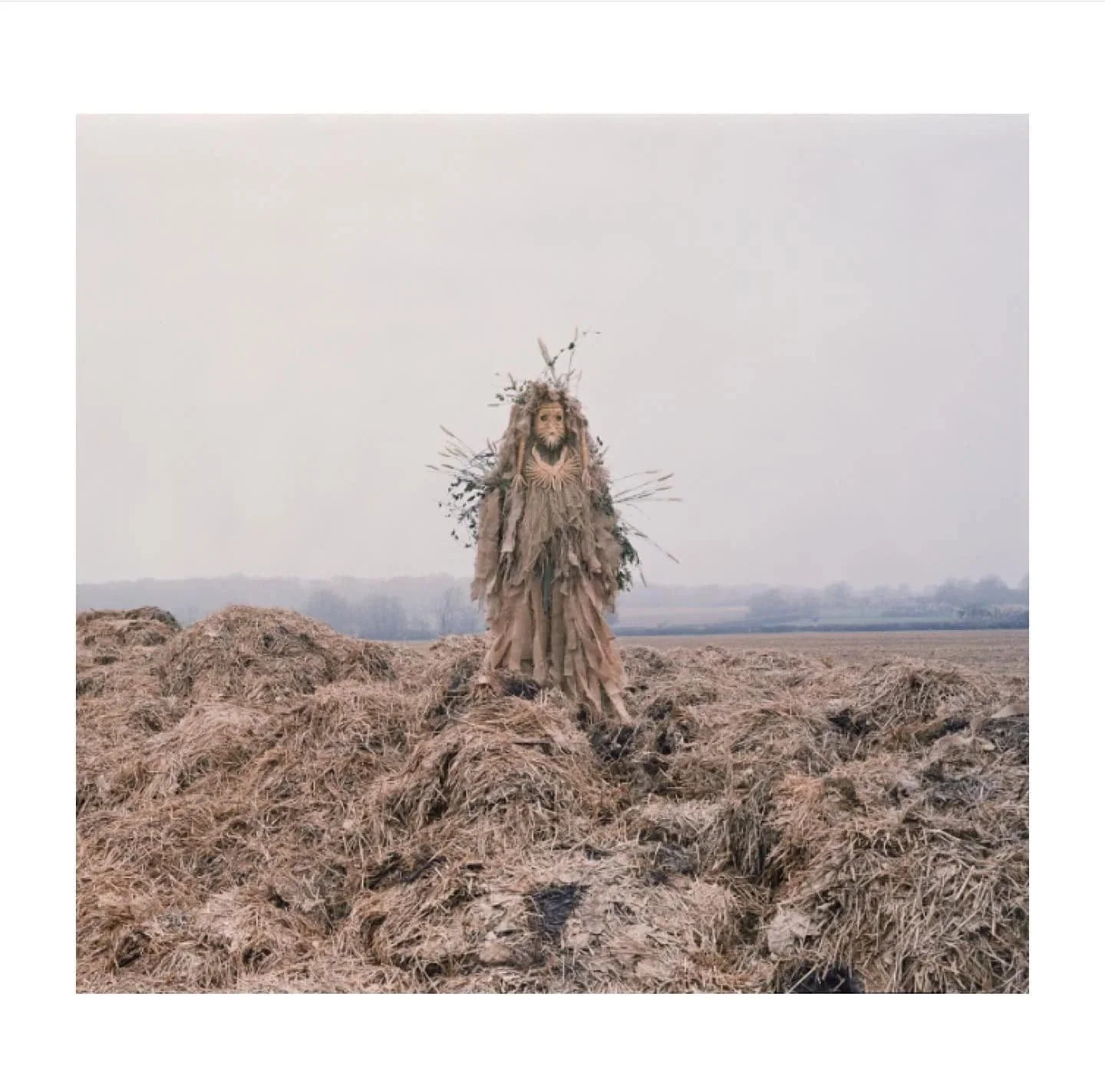
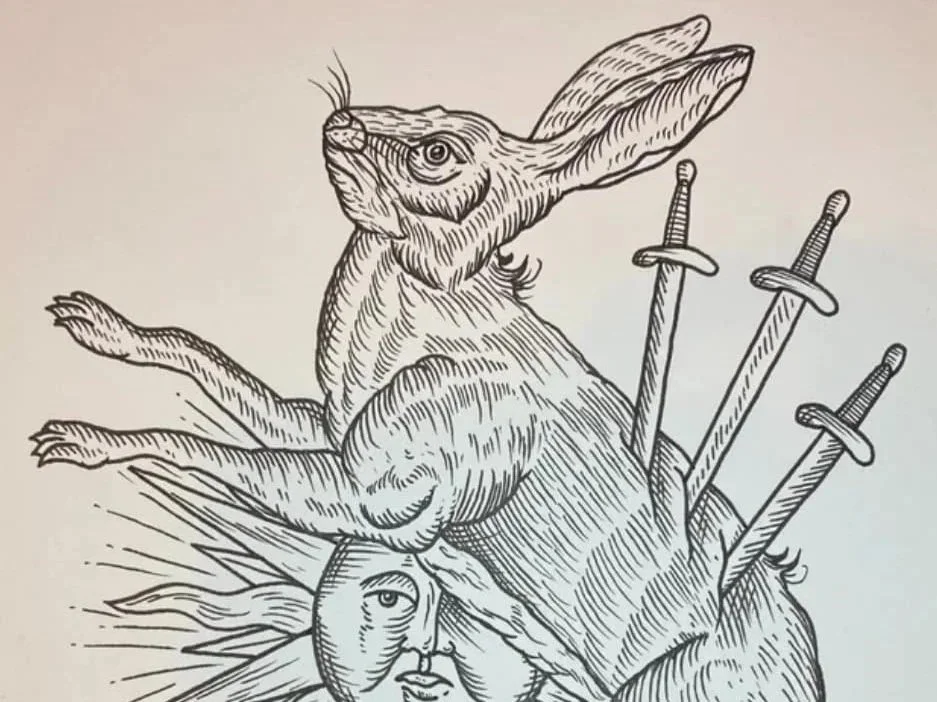
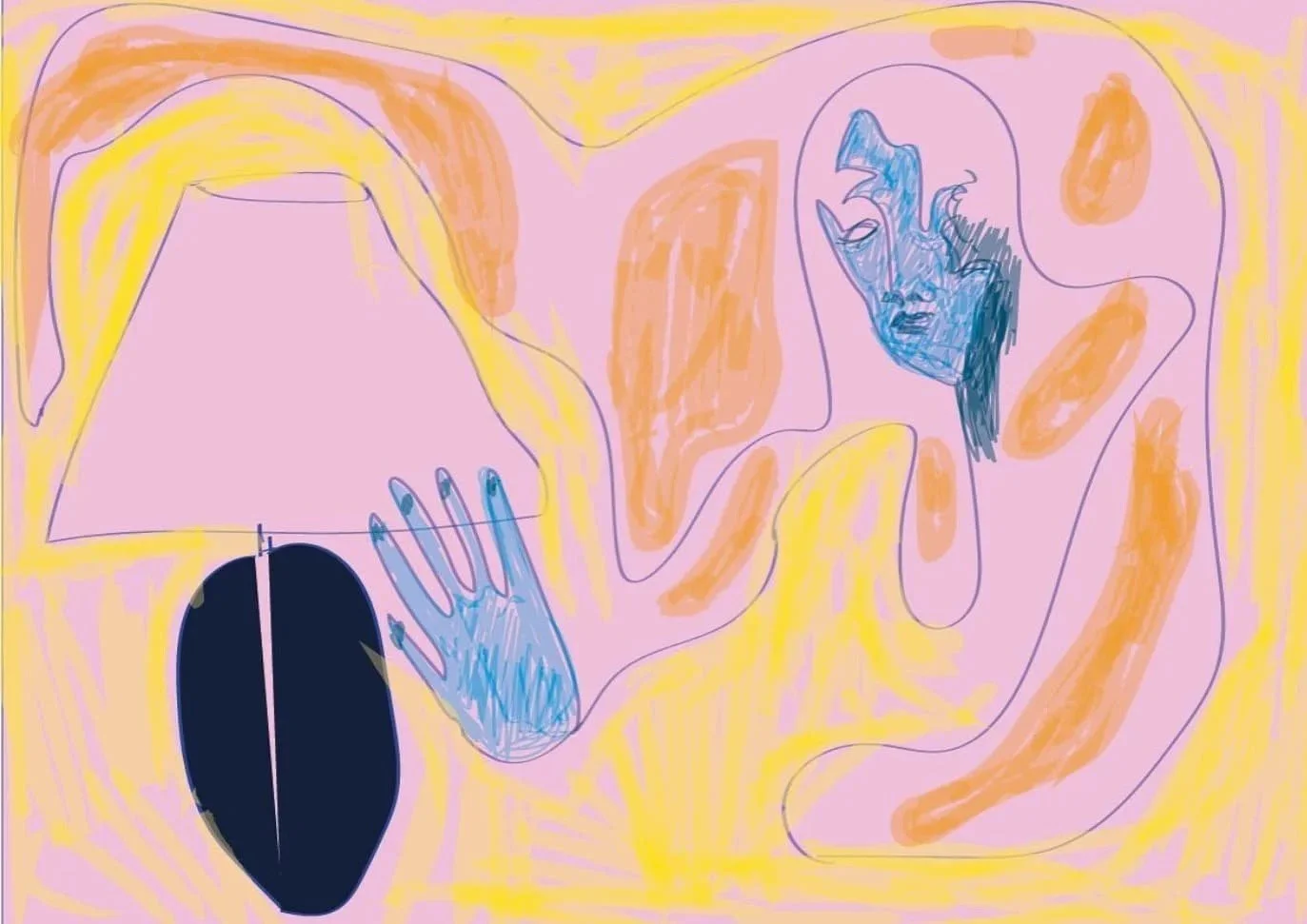
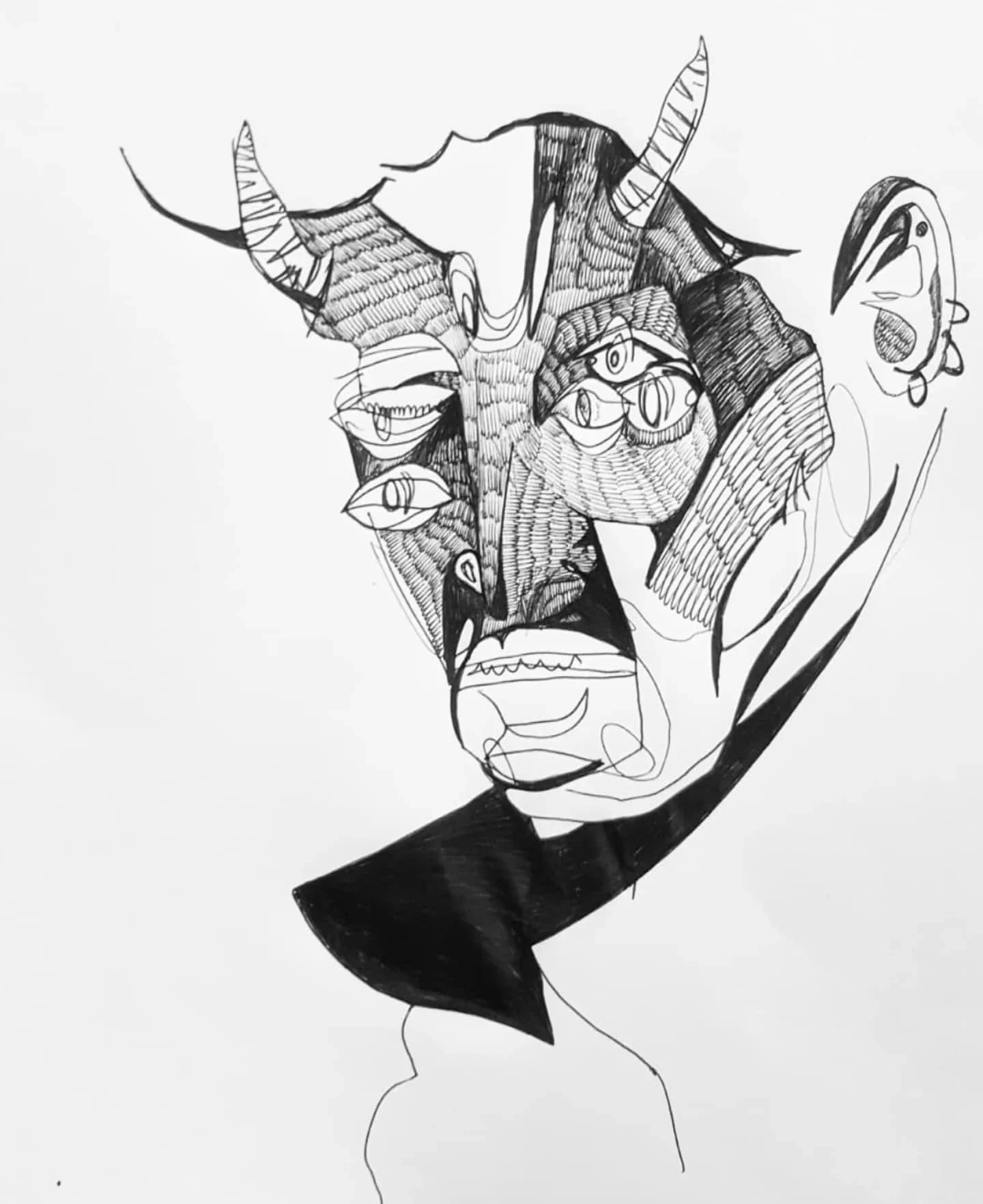
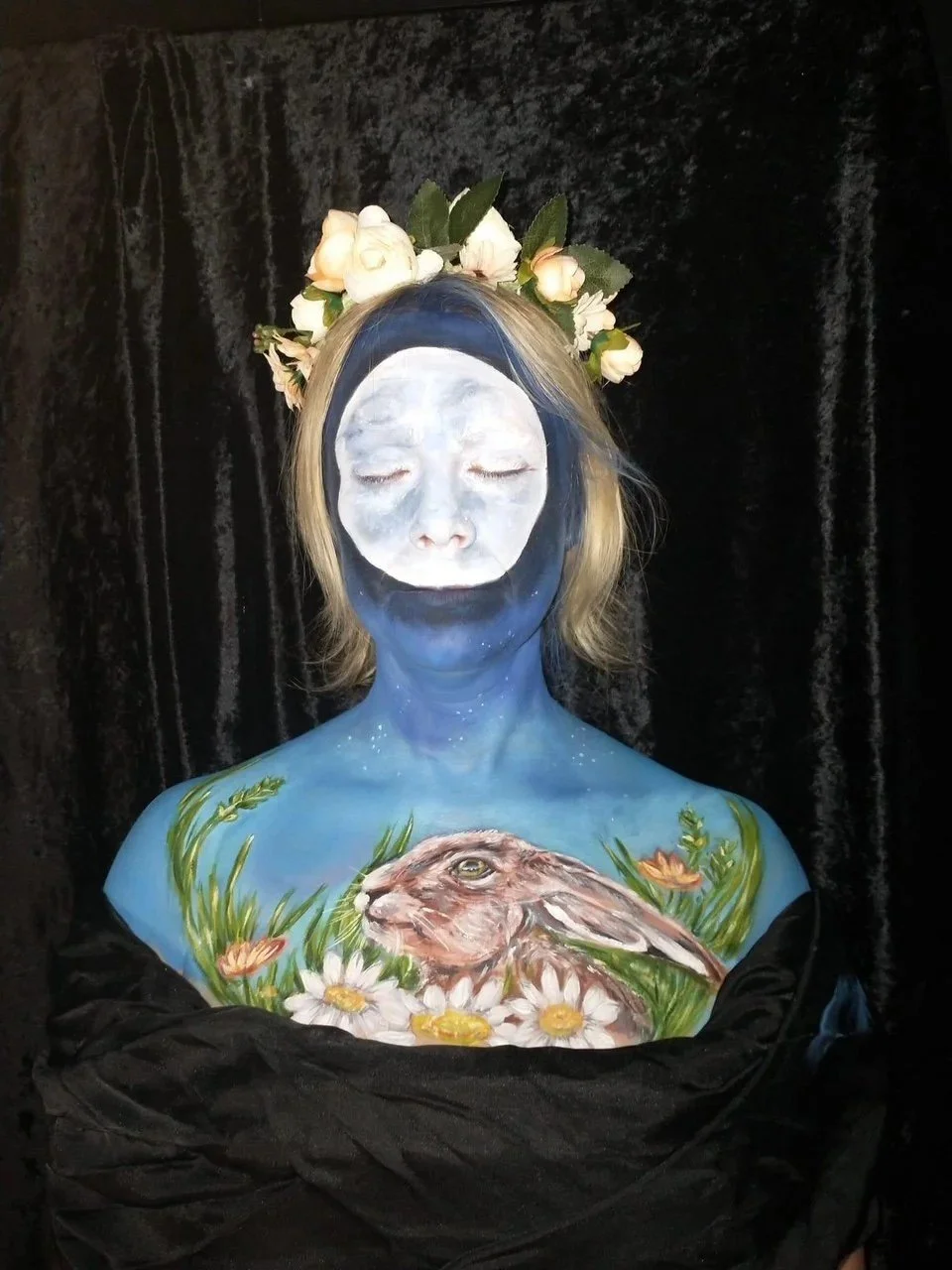
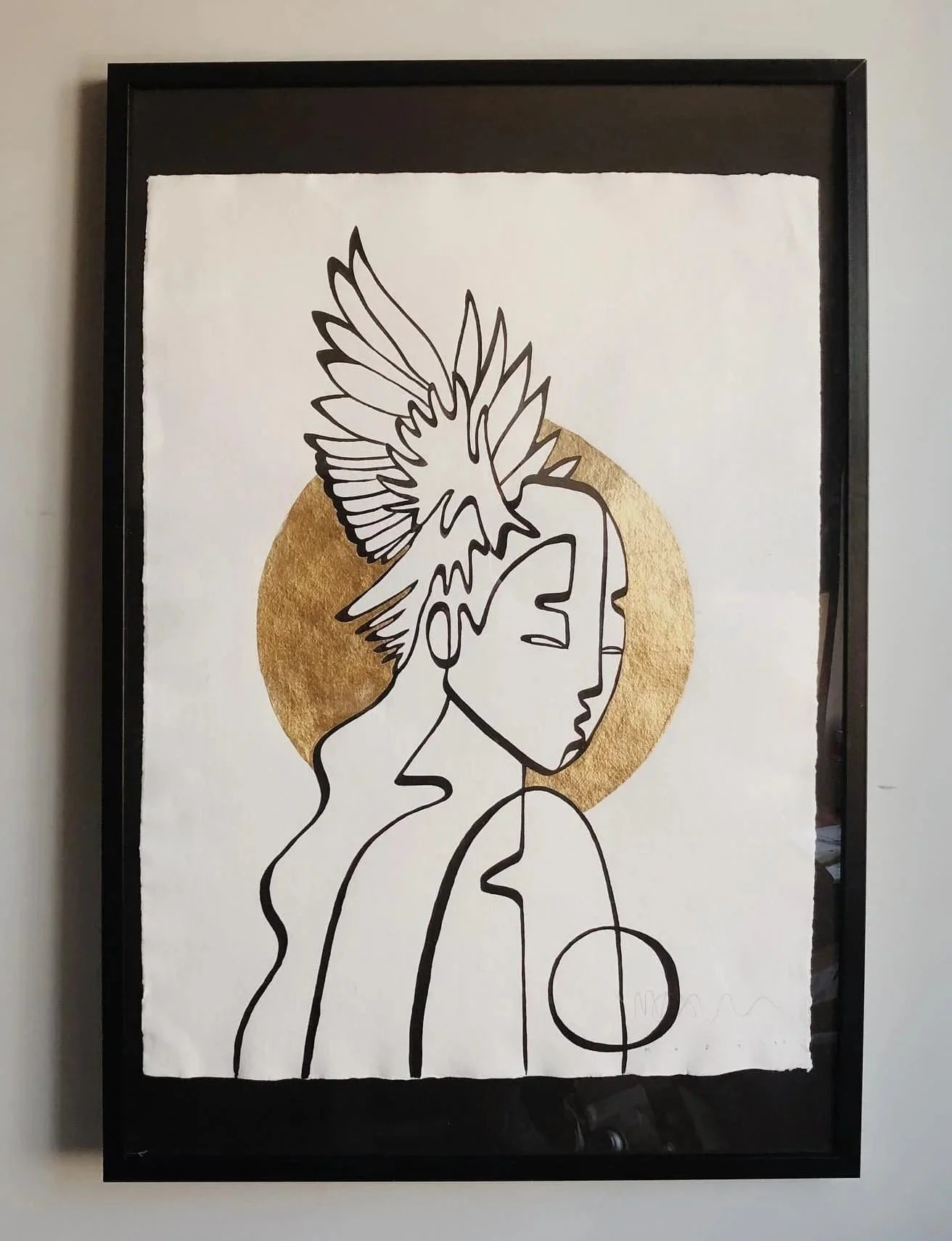
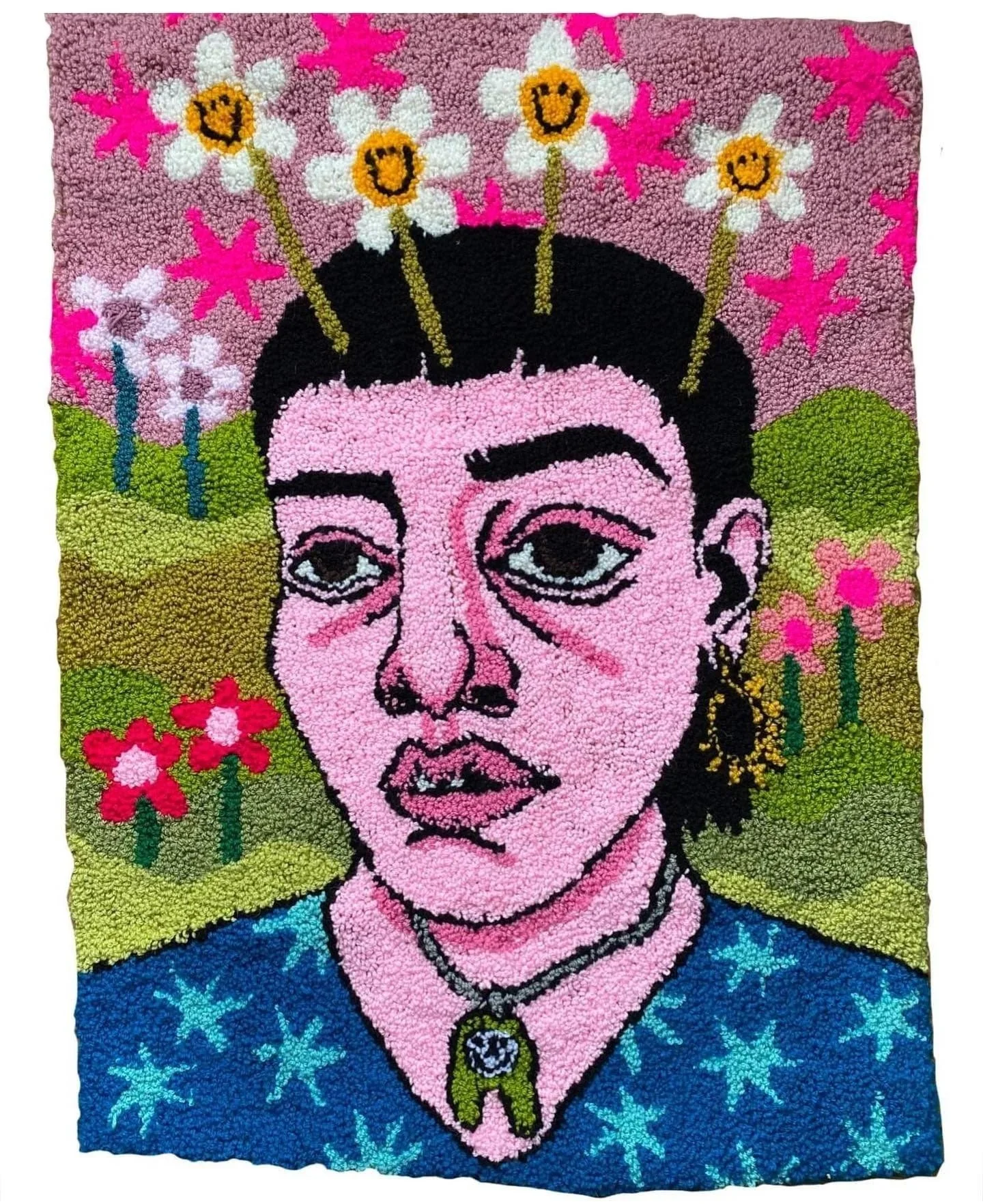
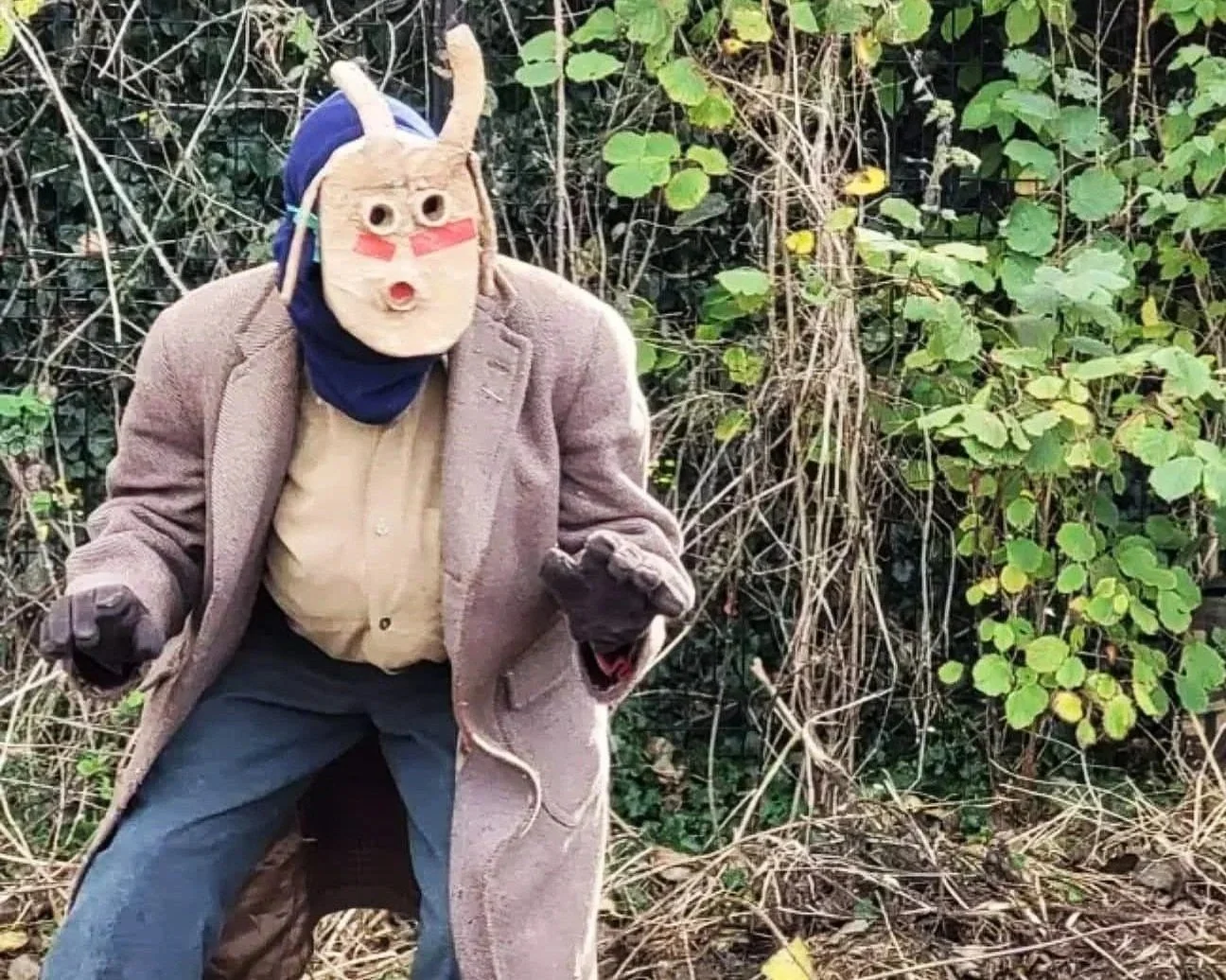
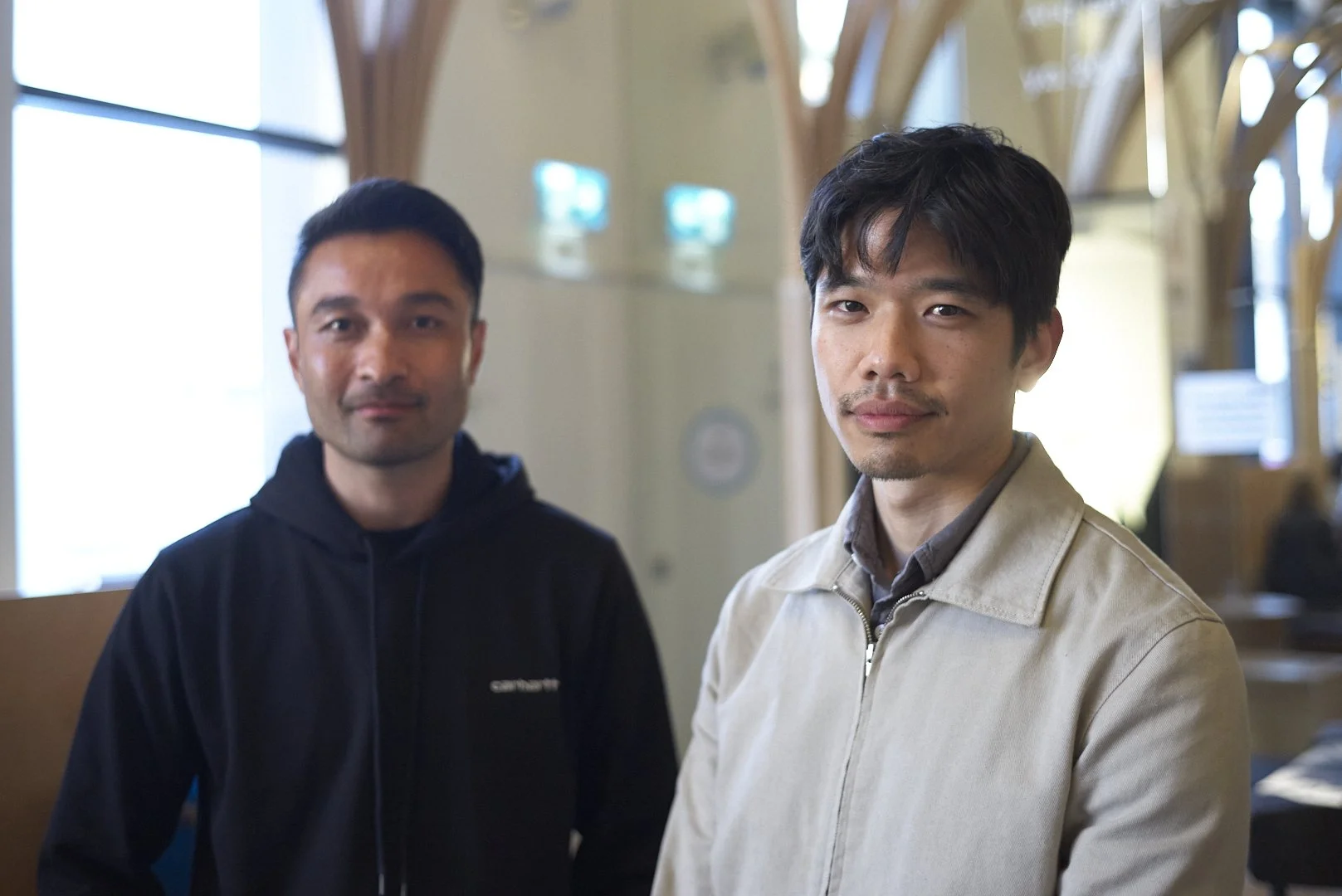
A strong visual arts strand, The Gathering of Folk, was curated by Kent-based artists and curators Louise Webb and Ethan Sheppard. Presented across SpaceBox Gallery, UCA Brewery Tap, DIY4Folke and Fourth Wall Gallery, it brought together contemporary artists from across Kent whose work explored traditional and popular folklore alongside its place in contemporary life.
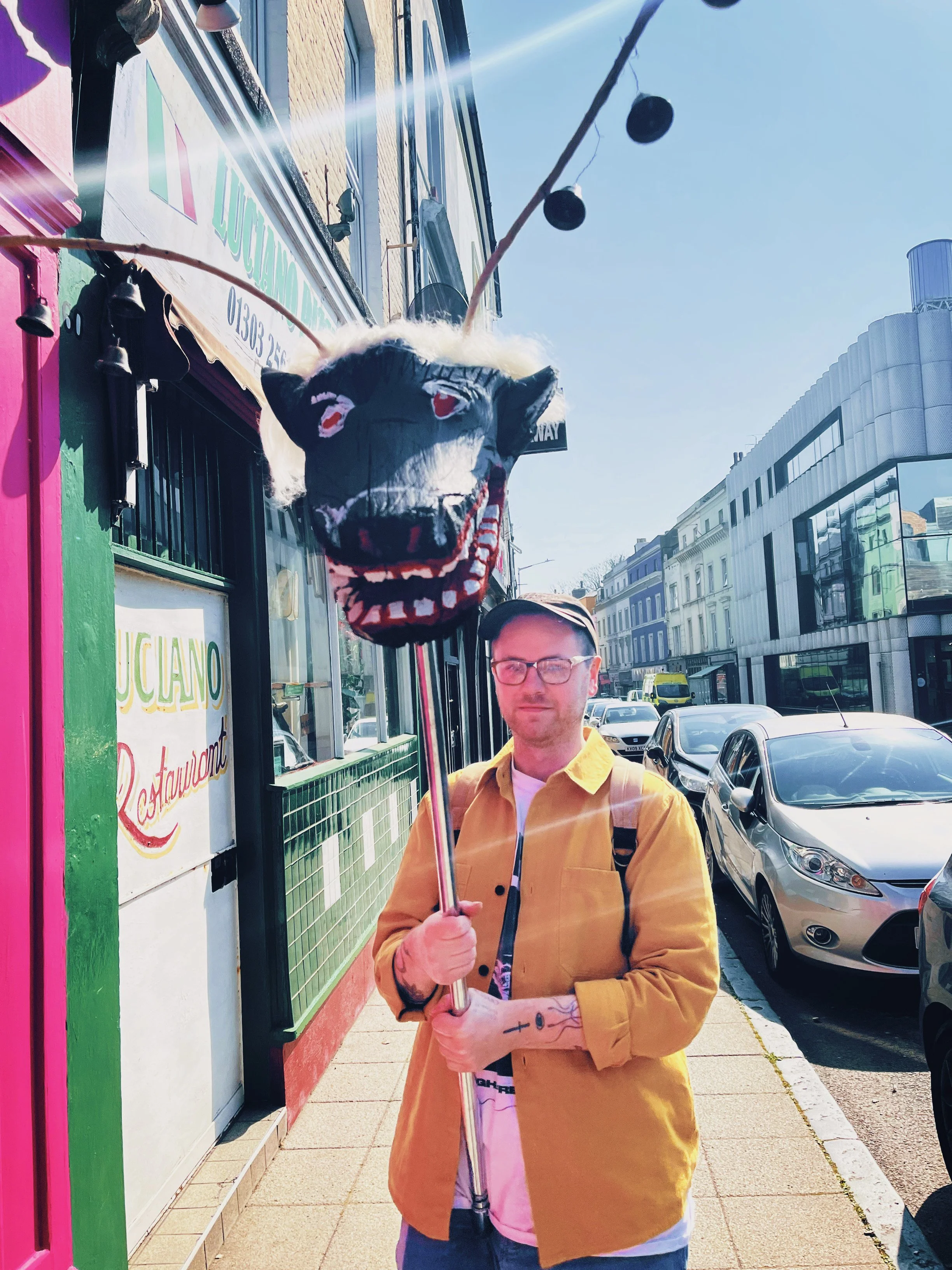
The visual programme included sculpture, costume, ceramics, textiles, painting, printmaking, illustration, body art and puppetry. Participating artists included Matt Rowe, Amy Rose, Maidstone John, Freyja Mathews Crow, Molly Jones, Carrie Phizzog, Louise Webb, Ethan Sheppard and Outside Puppets Collective. Their work examined themes including landscape and wildlife, regional identity, mythology, pagan traditions, belonging, female empowerment, social histories and the creative reuse of discarded materials. Rather than operating as a separate exhibition programme, The Gathering of Folk was woven throughout the festival. Exhibition launches were accompanied by music, dance, performance art, talks, film, puppetry and participatory activity, creating conversations between different art forms and giving visual art a central role in FolkeFest’s exploration of what contemporary folk culture can encompass.
Heritage
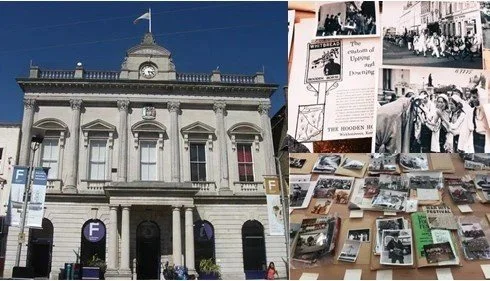
Folk Archive Exhibition
A partnership with Folkestone Museum in 2022 enabled community volunteers to explore its archive of the Folkestone International Folklore Festival, which brought performers from across Europe to the town between 1961 and 1989. The resulting exhibition connected Folkestone’s folk heritage with a new contemporary festival, while inviting audiences to consider how traditions, communities and identities change over time.
FolkeFest presented folk as a living, evolving and international culture rather than a fixed musical genre. Artists represented all four UK nations as well as Ireland, France, Switzerland, Sudan and Syria. Its strong LGBTQIA+ representation was recognised by Folk Radio UK, which praised the festival’s “progressive approach” and its platform for unsigned and early-career performers.
Access and Engagement
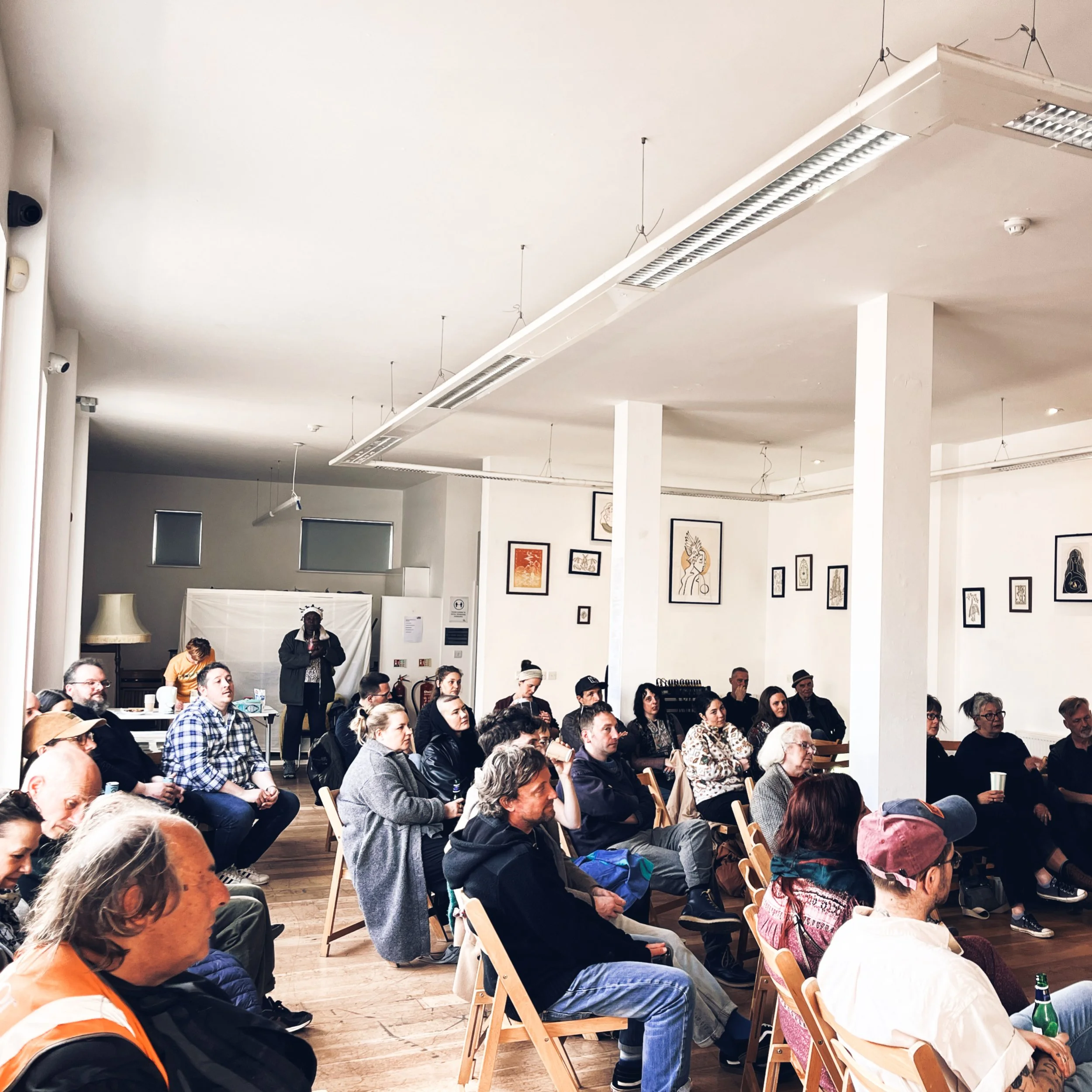
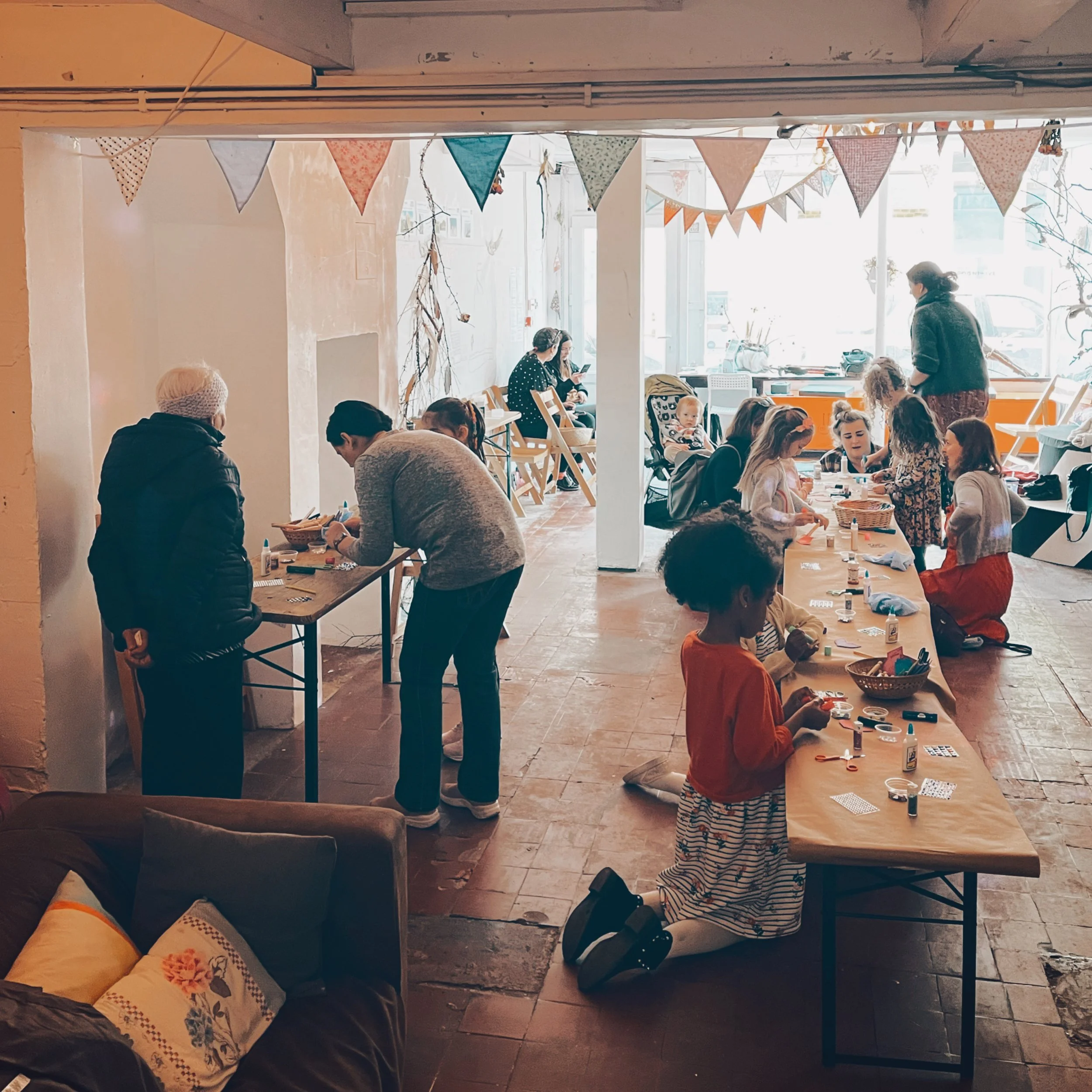
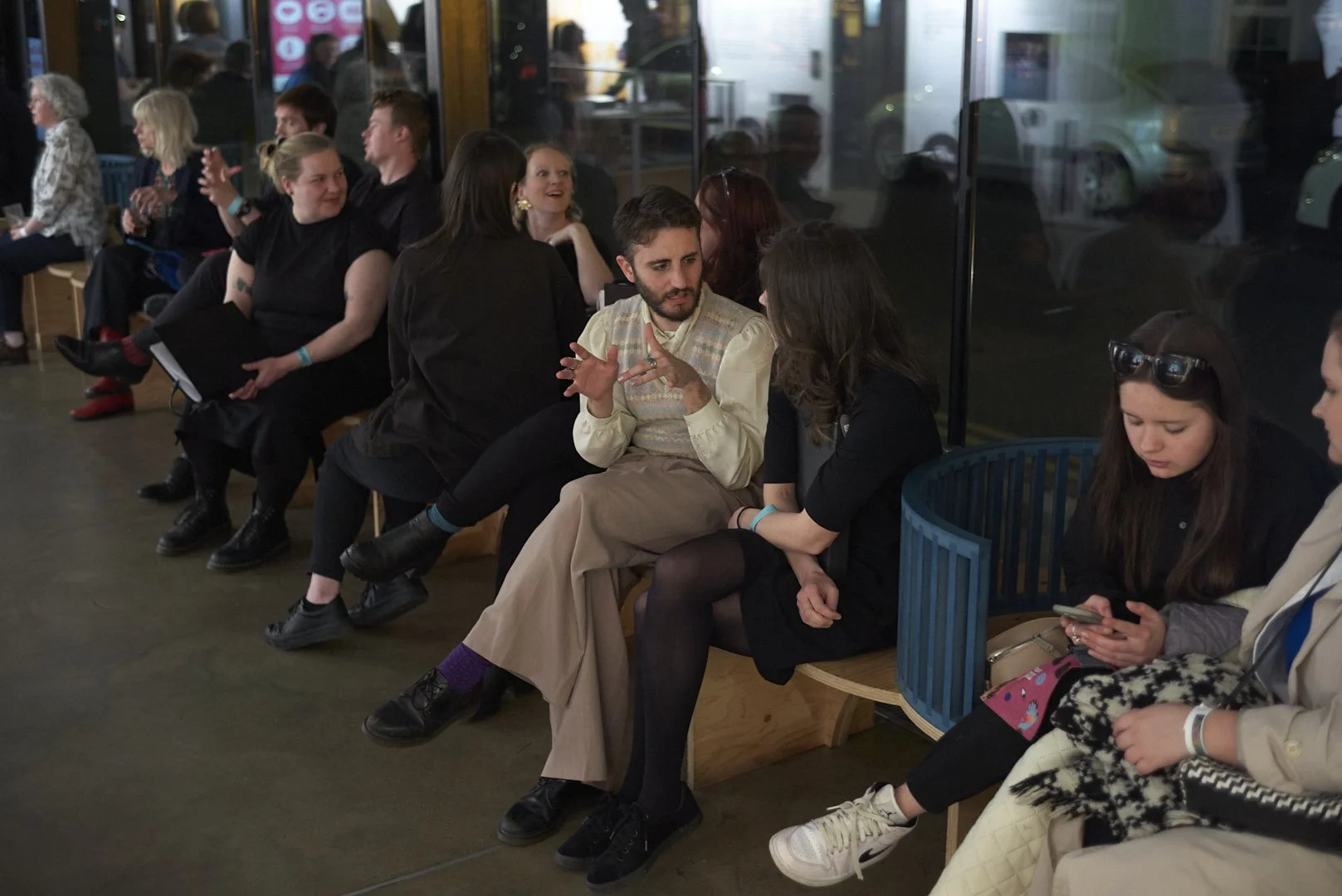
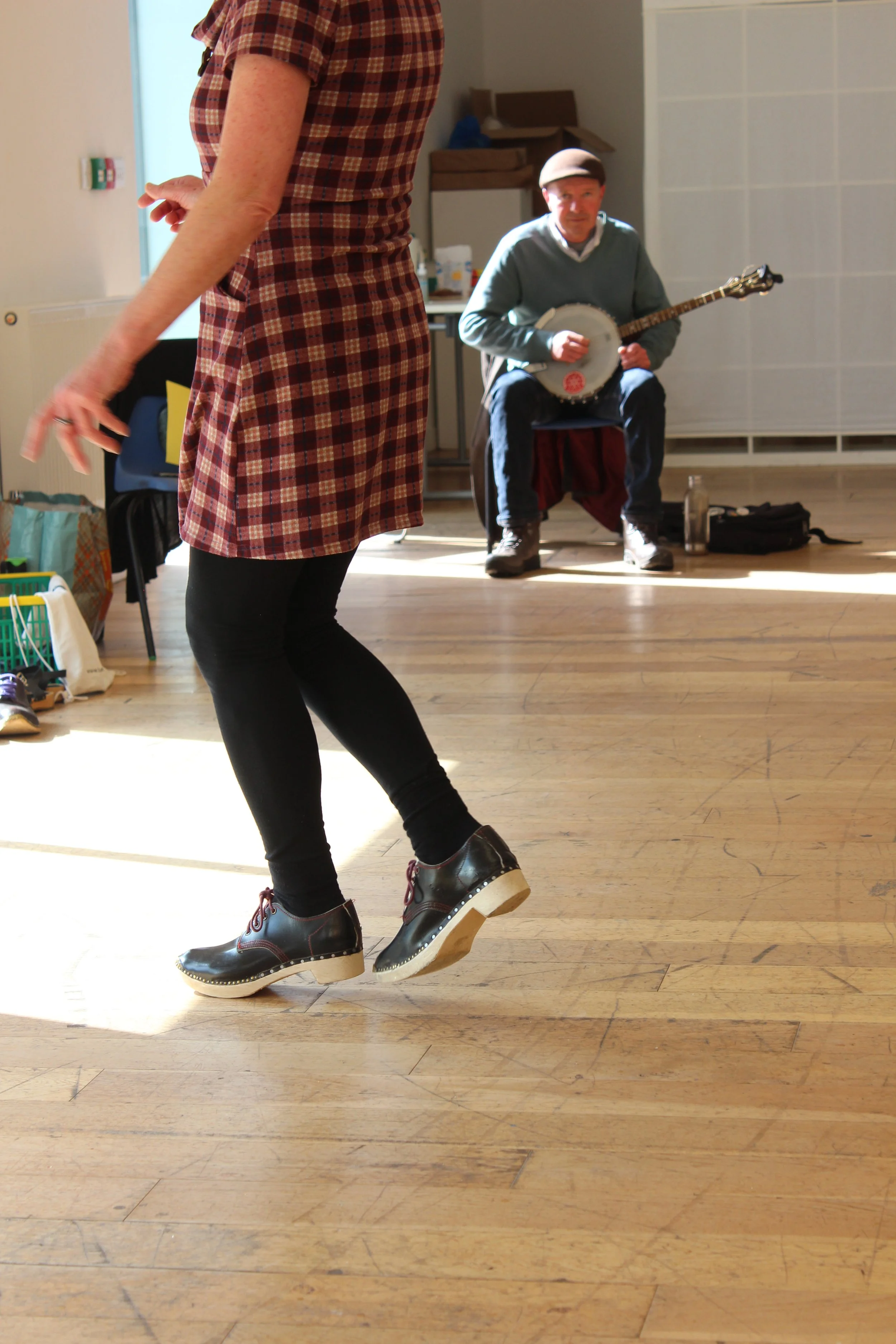
Accessibility and participation were central to the 2022 pilot. With the exception of the headline concert, events operated on a Pay What You Feel basis. Workshops were particularly popular, with family Storycraft sessions and the Folk Songs and Shanties workshop becoming oversubscribed. The festival engaged 23 volunteers and created substantial paid employment following the pandemic, investing £12,731 in artists and facilitators and more than £5,000 in other creative professionals, including technicians, sound engineers, photographers, filmmakers and backing vocalists.
Legacy
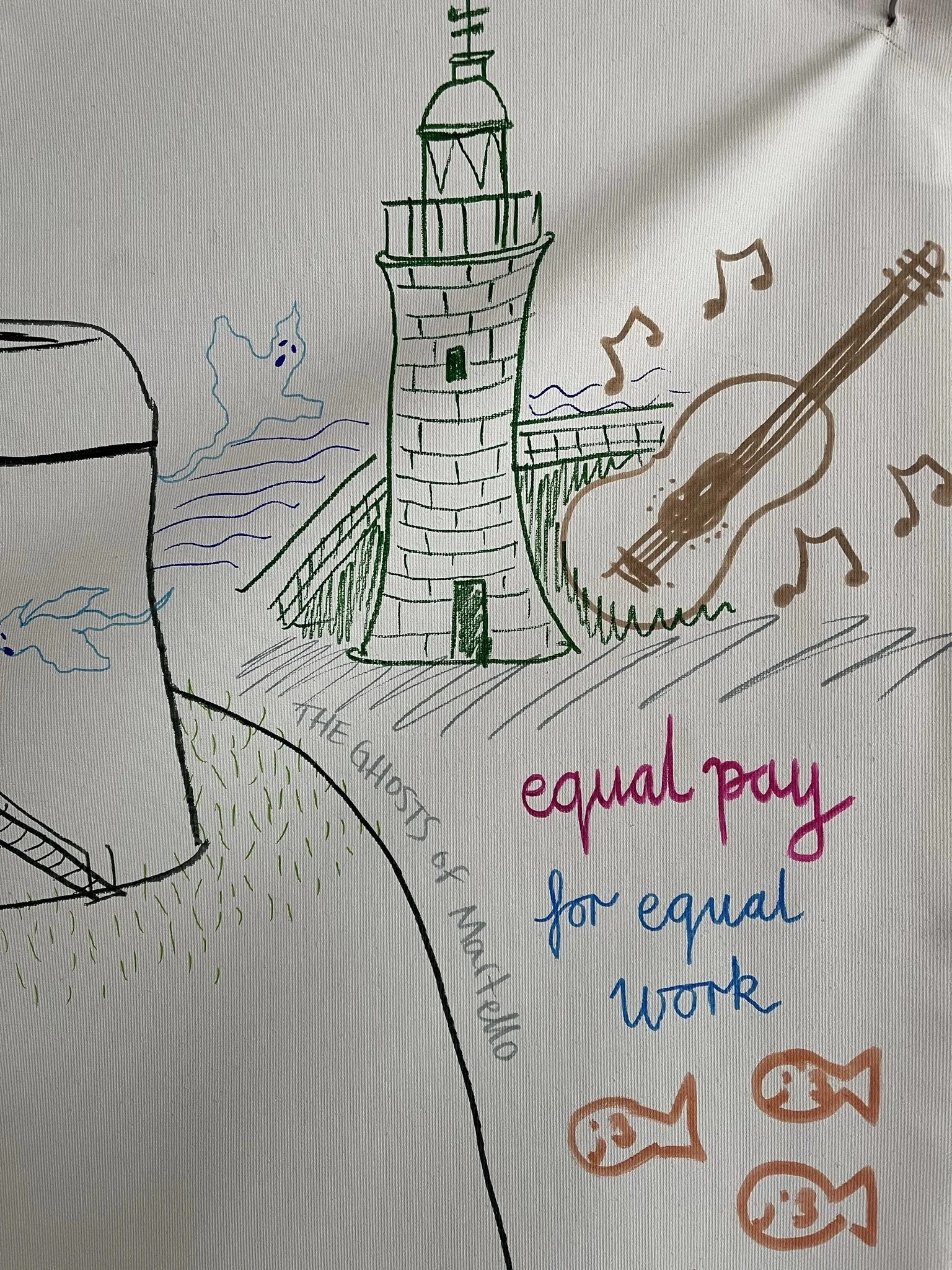
The 2022 pilot revitalised live folk arts in Folkestone, created new relationships between artists, venues, businesses, heritage organisations and community partners, and demonstrated a strong appetite for an ambitious, inclusive and multidisciplinary festival.
Its seven “golden threads” connected tradition with contemporary life:
Time & A Place – acknowledging and updating folk traditions
Queer-ass Folke – queering folk and expanding its established boundaries
Folk Song – sharing and learning songs, shanties and communal music
Word of Mouth – folklore, stories, poetry and oral traditions
Woke Folk – talks, questions and provocations
Folk:Us – visual and community folk arts
EartHeart – celebrating the relationships between people and nature
Many of these ideas were subsequently developed through the Arts Council England-funded Church + Coast and This Place Meant projects, produced by Didier Rochard with André Braga-Verissimo and Sasha Maye Bruce. Through immersive sound, guest-artist collaborations and participatory activity in churches, heritage sites and landscapes, these projects continued to explore place, pilgrimage, folklore, identity, migration, community and our relationship with the natural environment.
The partnerships, artistic practice and place-based approach developed across all three projects now come together within And Gather CIC. They provide the foundations for FolkeFest’s relaunch as a broader contemporary folk festival - building on the pilot’s networks and inclusive ethos while connecting music and performance more deeply with heritage, landscape, community participation and collective experience.
Find out more about the 2022 Pilot on the FolkeFest website.
FolkeFest will return in 2027 under And Gather CIC as a multi-centre coastal festival building on our projects Church + Coast and This Place Meant. Read more about our new approach.